

10 Mental Health Myths Pakistani Families Should Stop Believing


Mental health remains one of the most misunderstood aspects of healthcare in Pakistan. Despite growing awareness, many families continue to believe myths that discourage people from seeking professional help. These misconceptions often lead to delayed treatment, unnecessary suffering, family conflict, poor academic or work performance, and, in severe cases, self-harm or suicide.
Mental illnesses such as depression, anxiety disorders, obsessive-compulsive disorder (OCD), bipolar disorder, schizophrenia, and post-traumatic stress disorder (PTSD) are real medical conditions—not signs of weakness, poor faith, or bad character. According to the World Health Organization (WHO), mental disorders affect hundreds of millions of people worldwide and are among the leading causes of disability.
In Pakistani society, cultural expectations, stigma, lack of awareness, and misinformation frequently prevent people from receiving timely care. Understanding the truth behind common myths can help families become a source of healing rather than judgment.
In this article, you'll learn about the 10 most common mental health myths in Pakistani families, why they are medically incorrect, what science actually says, and how families can provide meaningful support.
Need confidential mental health guidance?
If you or a loved one is experiencing emotional distress, anxiety, depression, or other mental health concerns, consider speaking with a qualified mental health professional through Apka Muaalij Online Consultation or call 042-32377001 for professional assistance.
Quick Answer
Mental health myths in Pakistani families—such as believing depression is laziness, therapy is only for "crazy" people, or faith alone cures mental illness—can delay diagnosis and treatment. Scientific evidence shows that mental illnesses are medical conditions influenced by biological, psychological, and social factors, and they often improve with evidence-based treatment and family support.
Must read: "Burnout Symptoms Warning Signs: You Might Be Closer Than You Think"
Key Takeaways
-
Mental illnesses are genuine medical conditions—not signs of weakness or poor character.
-
Early diagnosis and evidence-based treatment improve recovery and quality of life.
-
Faith and family support can complement, but should not replace, professional care.
-
Stigma delays treatment and may worsen mental health outcomes.
-
Therapy and psychiatric care benefit people with mild, moderate, and severe conditions.
-
Compassionate communication encourages help-seeking and recovery.
-
Families play a vital role in reducing stigma and supporting long-term mental well-being.
What Are Mental Health Myths?
Mental health myths are false or misleading beliefs about emotional, psychological, and psychiatric conditions. They often arise from cultural traditions, misinformation, stigma, or lack of medical knowledge.
These myths can:
-
Delay diagnosis
-
Prevent treatment
-
Increase discrimination
-
Worsen symptoms
-
Reduce quality of life
-
Increase suicide risk
Why Mental Health Stigma Is Still Common in Pakistan
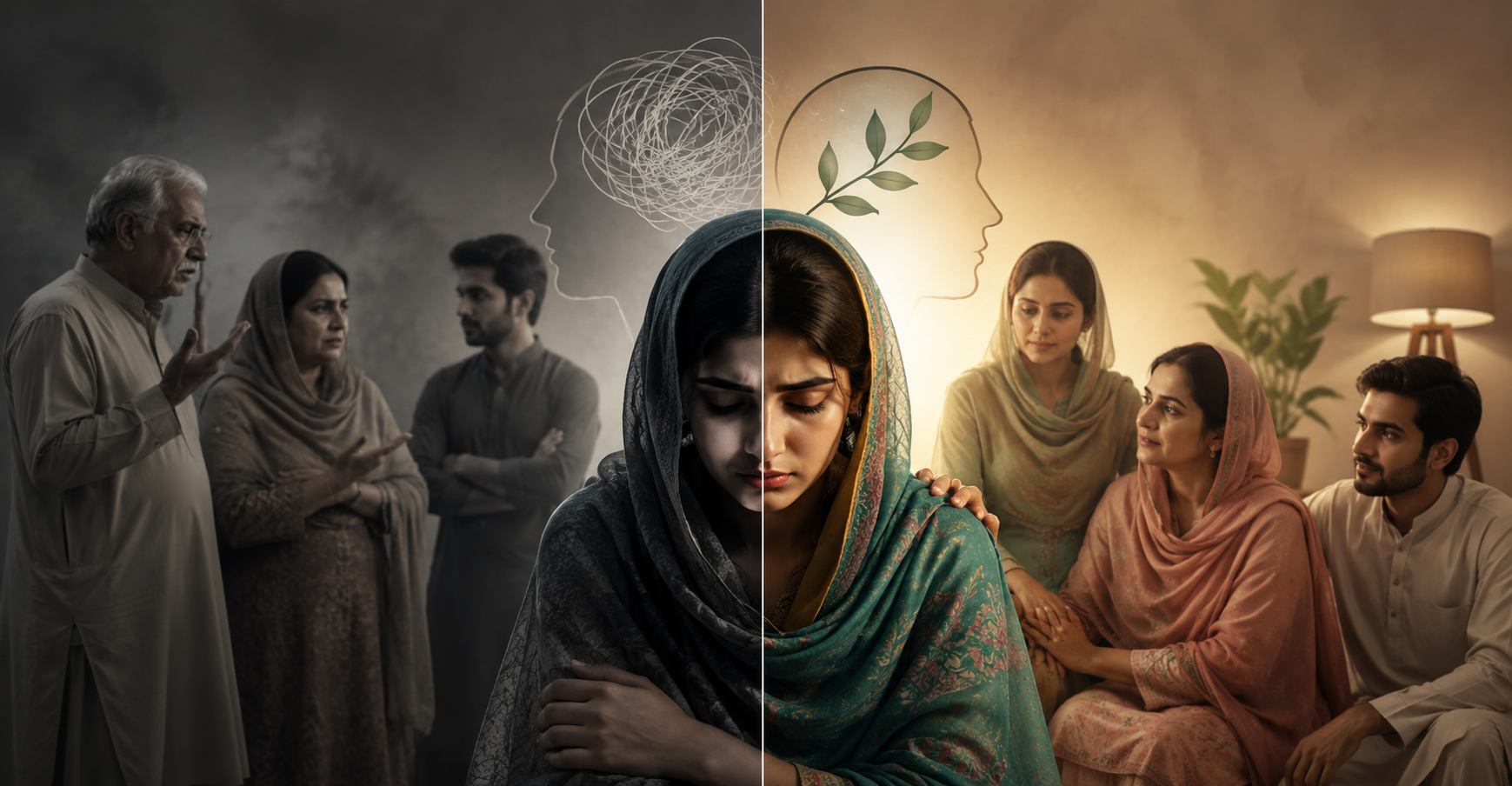
Several factors contribute to persistent stigma:
-
Limited mental health education
-
Fear of social judgment
-
Misunderstanding religious teachings
-
Concerns about marriage prospects
-
Gender expectations
-
Shortage of mental health professionals
-
Preference for secrecy within families
Pakistan also has a significant treatment gap, where many individuals with mental illness never receive appropriate care due to stigma, financial barriers, and limited access to services.
Related Articles:
- Does Seeing A Psychologist In Pakistan Mean You’re “Crazy”?
- Telepsychiatry In Pakistan: What It Is, How It Works, Benefits & Best Platforms
- Early Signs Of Bipolar Disorder: 13 Warning Symptoms You Shouldn’t Ignore
10 Mental Health Myths Pakistani Families Should Stop Believing
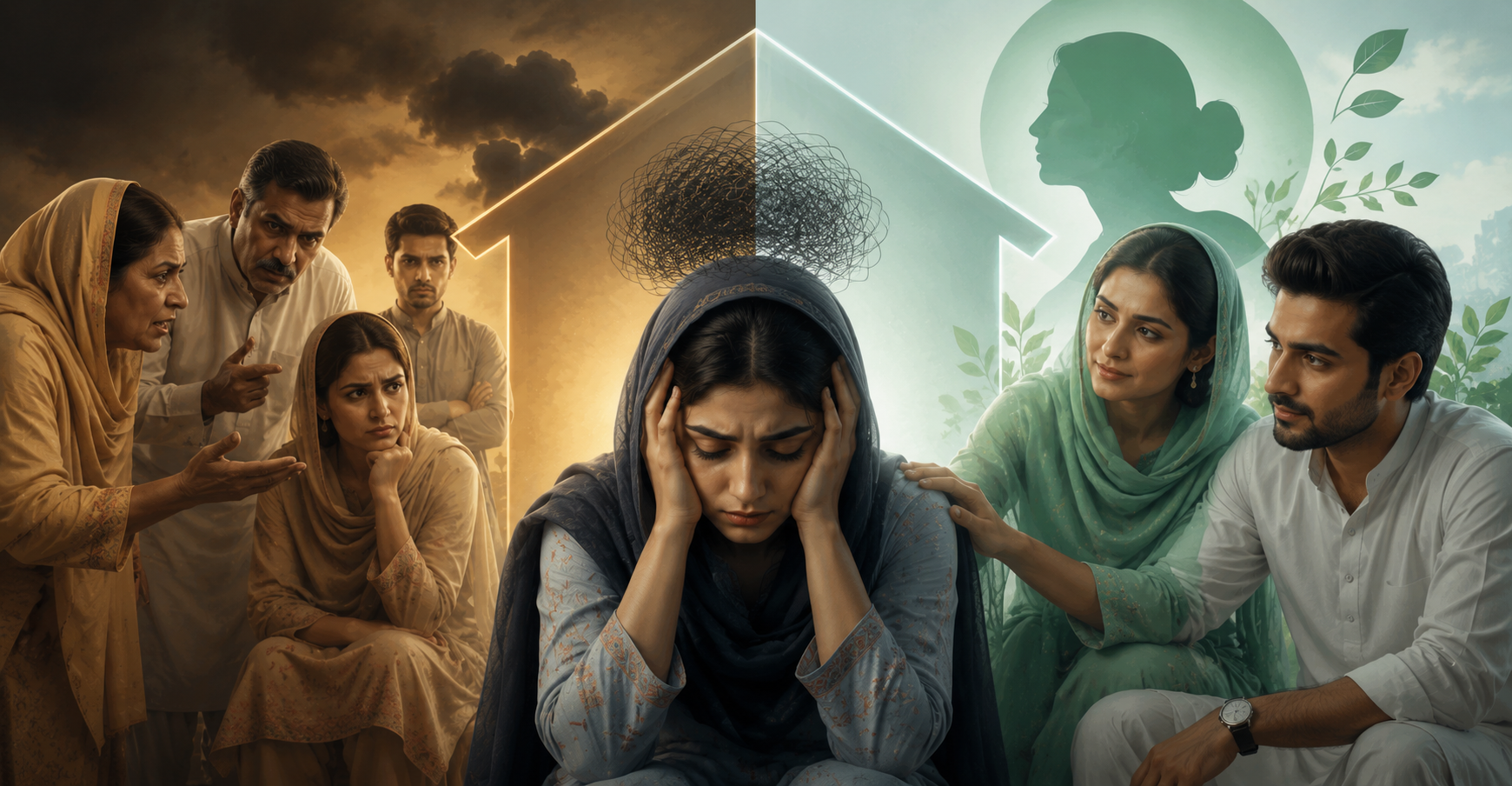
1. "Depression Is Just Weakness"
Reality
Depression is not a weakness.
It is a recognized medical illness involving changes in brain chemistry, genetics, stress-response systems, and psychological factors.
Symptoms may include:
-
Persistent sadness
-
Loss of interest
-
Fatigue
-
Sleep problems
-
Poor concentration
-
Feelings of hopelessness
-
Thoughts of self-harm
Simply "being strong" cannot cure depression.
2. "Only Crazy People Visit Psychiatrists"
Reality
Psychiatrists diagnose and treat a wide range of mental health conditions.
People seek psychiatric care for:
-
Anxiety
-
Depression
-
OCD
-
Panic disorder
-
Bipolar disorder
-
ADHD
Seeking professional help is similar to consulting a cardiologist for heart disease or an endocrinologist for diabetes.
3. "Prayer Alone Can Cure Mental Illness"
Reality
Faith and spirituality can provide emotional comfort, resilience, and hope. However, they should complement—not replace—medical treatment when someone has a diagnosed mental health condition.
Many religious scholars support combining prayer with appropriate healthcare. Evidence-based treatment may include psychotherapy, medication, lifestyle changes, and family support.
4. "Children Cannot Have Mental Health Problems"
Reality
Children and adolescents can experience:
-
Anxiety disorders
-
Depression
-
Eating disorders
-
Trauma-related disorders
Early diagnosis improves long-term outcomes.
Warning signs include:
-
Sudden behavioral changes
-
Social withdrawal
-
Declining school performance
-
Persistent sadness
-
Sleep disturbances
5. "Talking About Suicide Encourages Suicide"
Reality
Research consistently shows that asking someone directly and compassionately about suicidal thoughts does not increase suicide risk. Instead, it can provide an opportunity for the person to seek help and feel supported.
Anyone expressing suicidal thoughts should receive immediate evaluation by a qualified healthcare professional or emergency services.
Must read: "Why You’re Losing Interest In Sex (It’s Probably Not Your Libido)"
6. "Mental Illness Means Someone Is Dangerous"
Reality
Most people living with mental illness are not violent.
They are more likely to experience discrimination, social isolation, or become victims of violence than to harm others.
Violence is influenced by many factors, including substance misuse, environmental stressors, and previous history—not mental illness alone.
7. "Medication for Mental Health Is Addictive"
Reality
Many commonly prescribed antidepressants, such as Selective Serotonin Reuptake Inhibitors (SSRIs), are not addictive. Some medications used for anxiety, such as certain benzodiazepines, may carry a risk of dependence and are prescribed carefully.
Medication decisions should always be individualized and supervised by a qualified physician.
8. "Therapy Is Only for Severe Mental Illness"
Reality
Psychological therapy benefits people facing:
-
Stress
-
Relationship issues
-
Grief
-
Workplace burnout
-
Anxiety
-
Mild to moderate depression
-
Chronic illness adjustment
Therapy also teaches healthy coping skills and problem-solving techniques.
If ongoing stress, anxiety, or emotional difficulties are affecting your daily life, speaking with a licensed psychologist or psychiatrist through Apka Muaalij can help you receive personalized guidance. For appointments, call 042-32377001.
9. "People Can Snap Out of Anxiety"
Reality
Anxiety disorders involve changes in brain function and nervous system responses.
Treatment may include:
-
Relaxation techniques
-
Mindfulness
-
Lifestyle changes
-
Medication when appropriate
Telling someone to "just relax" rarely helps and may increase feelings of guilt.
10. "Mental Illness Never Gets Better"
Reality
Many people recover completely or successfully manage their symptoms with appropriate treatment.
Recovery often includes:
-
Professional care
-
Family support
-
Healthy lifestyle habits
-
Medication when needed
-
Psychotherapy
Early intervention significantly improves outcomes.
Must read: "Men’s Mental Health Challenges In Pakistan: Causes, Symptoms & Treatment"
Myth vs Fact Table
|
Common Myth |
Medical Fact |
|
Depression is laziness |
Depression is a medical condition requiring proper assessment and treatment. |
|
Therapy is for crazy people |
Therapy benefits people with a wide range of emotional and psychological challenges. |
|
Children cannot have depression |
Children and adolescents can develop mental health disorders. |
|
Medication changes your personality |
Properly prescribed medication aims to relieve symptoms, not change who you are. |
|
Faith alone cures mental illness |
Spirituality can support recovery but should not replace evidence-based treatment. |
|
Mental illness is lifelong and hopeless |
Many people recover or effectively manage symptoms with appropriate care. |
Signs That Someone May Need Professional Mental Health Care
Seek professional evaluation if symptoms last more than two weeks or interfere with daily life.
Common warning signs include:
-
Persistent sadness
-
Excessive anxiety
-
Severe mood swings
-
Social withdrawal
-
Loss of interest
-
Sleep disturbances
-
Appetite changes
-
Difficulty concentrating
-
Substance misuse
-
Thoughts of self-harm or suicide
Related Articles:
- What Are The Best Medicines For ADHD In Pakistan?
- ADHD in Adults: Symptoms, Causes, Diagnosis, and Treatment Guide (2026)
- Early Warning Signs Of Schizophrenia In Urdu, Causes & Treatments (In Teens)
Evidence-Based Treatments for Mental Health Conditions
Treatment depends on the diagnosis and individual needs.
Common approaches include:
|
Treatment |
Purpose |
|
Changes unhealthy thinking patterns |
|
|
Interpersonal Therapy (IPT) |
Improves relationships and mood |
|
Family Therapy |
Strengthens family communication |
|
Medication |
Reduces symptoms when indicated |
|
Lifestyle Modification |
Supports sleep, exercise, nutrition, and stress reduction |
|
Mindfulness-Based Therapies |
Helps regulate emotional responses |
How Pakistani Families Can Support Someone With Mental Illness
Families can make recovery easier by:
-
Listening without judgment
-
Avoiding criticism or blame
-
Encouraging professional care
-
Learning about the illness
-
Respecting treatment plans
-
Supporting healthy routines
-
Reducing stigma in the household
-
Checking in regularly
Small acts of empathy often have a significant impact.
Preventing Mental Health Stigma at Home
Practical strategies include:
-
Discuss mental health openly.
-
Avoid insulting labels.
-
Teach children emotional awareness.
-
Encourage healthy coping strategies.
-
Normalize seeking professional help.
-
Support school-based mental health education.
-
Challenge misinformation respectfully.
Also read: "Who Is The Best Female Psychiatrist In Lahore? Complete Guide (2026)"
Need Mental Health Consultation?
Concerned about persistent emotional symptoms in yourself or a family member? Early evaluation can improve outcomes. Connect with an experienced mental health specialist through Apka Muaalij or call 042-32377001 to discuss the next steps.
Conclusion
Mental health myths continue to affect countless families in Pakistan, often preventing individuals from receiving timely and appropriate care. Replacing misinformation with evidence-based knowledge is one of the most effective ways to reduce stigma, improve family relationships, and support recovery.
Mental illnesses such as depression, anxiety disorders, bipolar disorder, OCD, and schizophrenia are treatable medical conditions. Seeking professional help is a sign of responsibility—not weakness. If symptoms persist, interfere with daily life, or include thoughts of self-harm or suicide, prompt evaluation by a qualified mental health professional is essential.
Building a supportive home environment, encouraging open conversations, and recognizing mental health as an integral part of overall health can help individuals live healthier and more fulfilling lives.
Disclaimer: This article is intended for educational and informational purposes only. It is not a substitute for professional medical advice, diagnosis, or treatment. Never ignore or delay seeking medical advice because of information you have read here. Always consult a qualified healthcare professional regarding your personal health concerns.

Find & Book the best "Psychologist" near you
Book Appointment