

Top 10 Suhoor Foods For Sustained Energy Throughout Ramadan

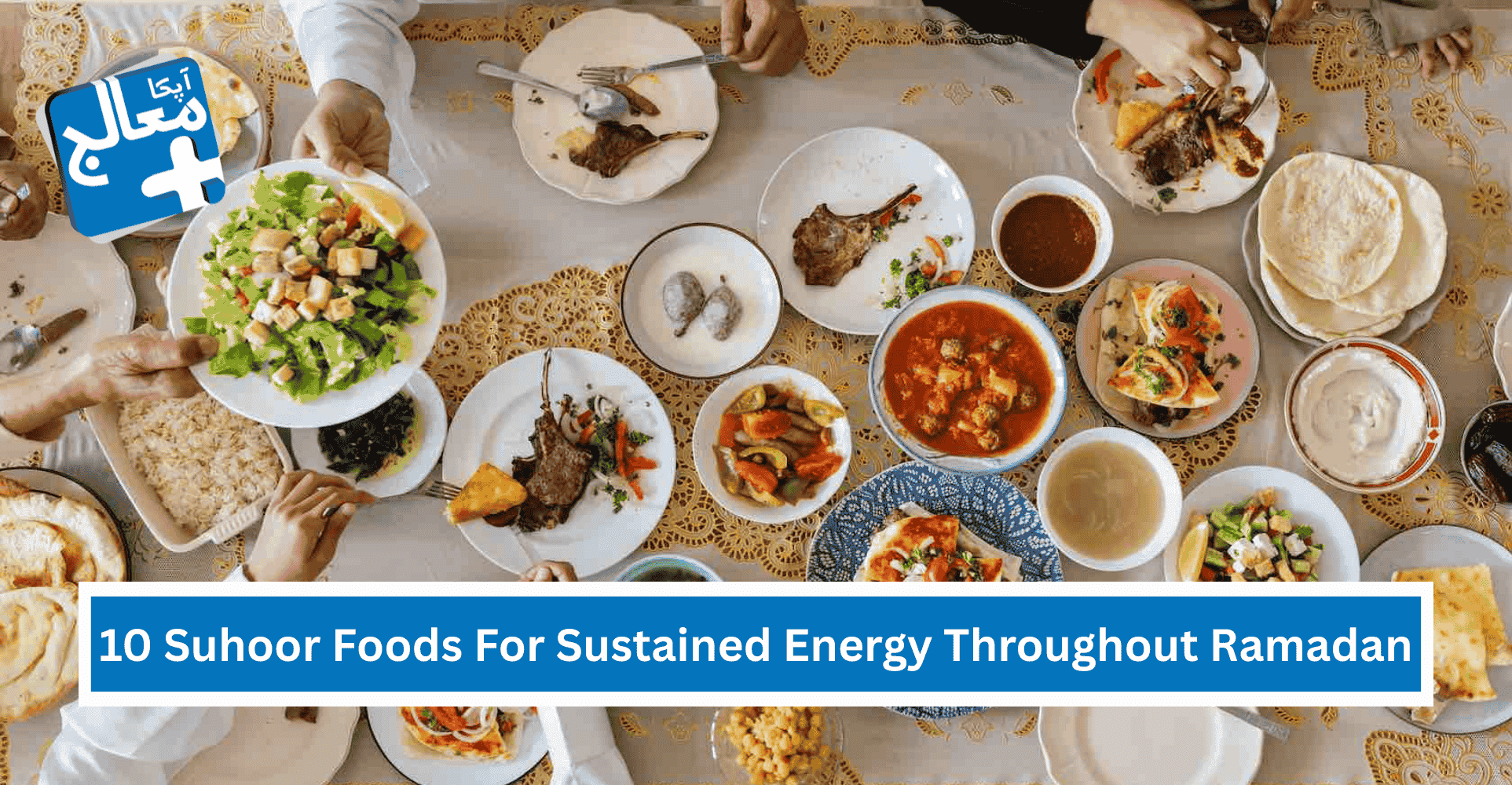
Fasting during Ramadan is both a spiritual discipline and a physical commitment. From dawn to sunset, your body runs entirely on what you consume at suhoor. If that pre-dawn meal is poorly structured, energy dips, dehydration, headaches, and irritability often follow. If it is well designed, you experience stable energy, mental clarity, and manageable hunger throughout the day.
As someone who has guided fasting clients, athletes, and families through Ramadan meal planning for years, I have seen a clear pattern. The quality of suhoor matters more than quantity. Overeating the wrong foods leads to crashes. Balanced meals built around slow-digesting carbohydrates, protein, healthy fats, fiber, and hydration create sustained energy release.
This blog breaks down the top 10 suhoor foods for sustained energy, explains why they work physiologically, and shows how to structure them intelligently for long fasting hours.
Also read: "Top 10 Surprising Health Benefits Of Donating Blood"
Key Takeaways
-
The best suhoor foods combine complex carbohydrates, protein, healthy fats, and fiber.
-
Oats, eggs, Greek yogurt, legumes, nuts, and whole grains provide sustained energy.
-
Avoid refined sugars and high-sodium foods to reduce crashes and thirst.
-
Hydration and potassium-rich foods like bananas and avocado help prevent fatigue.
-
Balanced portions outperform large, unstructured meals.
What Makes a Good Suhoor Food?
A high-quality suhoor meal should:
-
Provide slow-releasing energy
-
Stabilize blood sugar
-
Reduce thirst
-
Support muscle maintenance
-
Prevent mid-morning crashes
-
Promote satiety without heaviness
Energy stability during fasting depends on:
-
Low to moderate glycemic index carbohydrates that release glucose gradually
-
Protein to slow digestion and maintain fullness
-
Healthy fats to extend energy availability
-
Fiber to regulate blood sugar
-
Electrolytes and fluids to prevent dehydration
Foods high in refined sugar or simple carbs cause a rapid spike in blood glucose followed by a crash. That crash feels like fatigue, shakiness, brain fog, and intense hunger.
Now, let us examine the best suhoor foods that consistently perform well during Ramadan.
Also read: "Ramadan Fasting: Health Benefits, Side Effects & How To Perform It"
Top 10 Suhoor Foods For Sustained Energy Throughout Ramadan
1. Oats
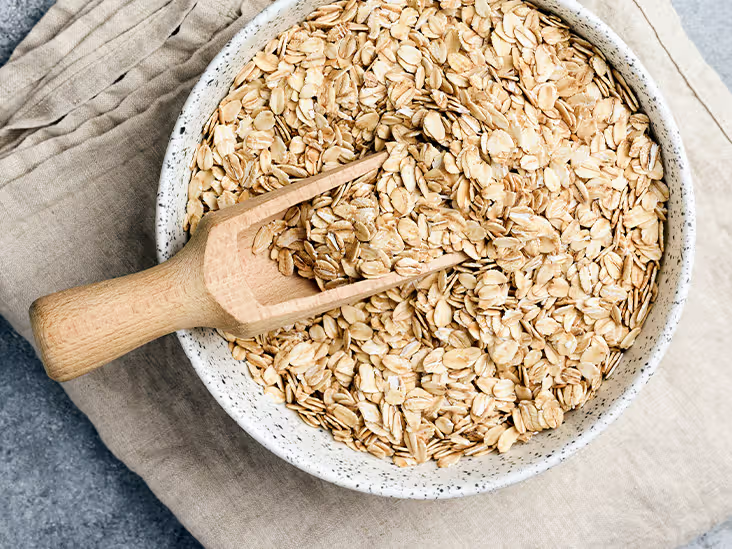
Why Oats Are Ideal for Suhoor
Oats are one of the most effective slow-digesting carbohydrates available. They are rich in beta-glucan fiber, which slows glucose absorption and prolongs satiety.
A bowl of oats can sustain energy for 4 to 6 hours, depending on portion size and added protein.
Benefits
-
Low glycemic index
-
High soluble fiber
-
Improves cholesterol markers
-
Reduces hunger hormones
How to Eat Oats for Maximum Energy
-
Combine with Greek yogurt or milk for protein
-
Add chia seeds or nut butter for healthy fats
-
Avoid excessive honey or sugar
-
Include berries for antioxidants
Best option: Overnight oats with chia seeds, almond butter, and blueberries.
2. Eggs

Eggs are one of the most complete protein sources available. They contain all nine essential amino acids, making them ideal for muscle preservation during fasting.
Why Eggs Prevent Energy Crashes
Protein slows gastric emptying, meaning food stays in the stomach longer. This delays hunger and stabilizes blood sugar.
Benefits
-
High satiety index
-
Rich in choline for brain function
-
Contains vitamin D and B12
-
Support muscle maintenance
Smart Suhoor Pairing
-
Boiled eggs with whole-grain toast
-
Vegetable omelet with spinach and mushrooms
-
Scrambled eggs with avocado
Avoid pairing eggs with white bread alone. Combine with fiber for balanced digestion.
Also, go through: "How To Control Sexual Desire Before Marriage?"
3. Greek Yogurt
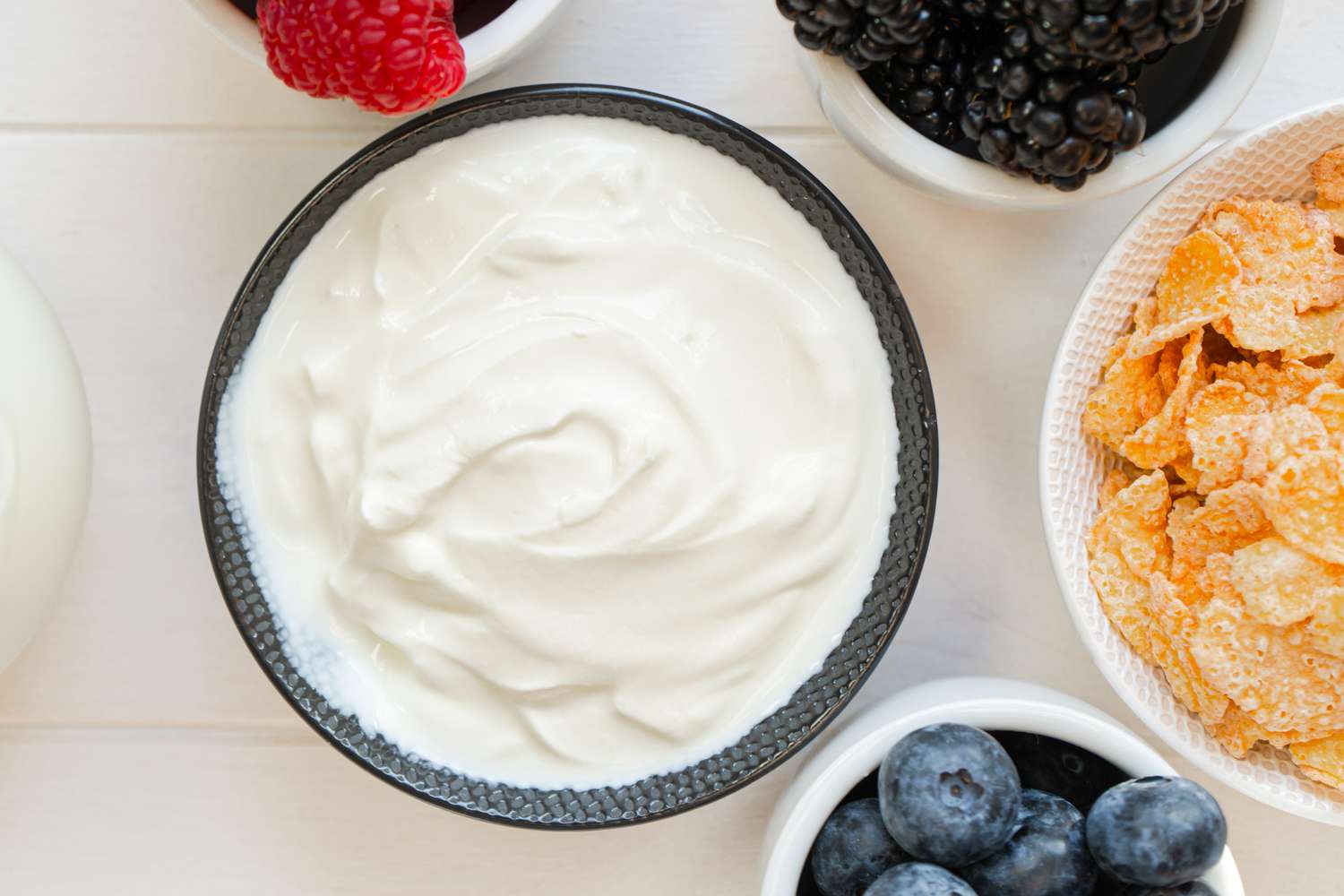
Greek yogurt is high in protein and probiotics. It supports gut health and provides long-lasting fullness.
Why It Works During Ramadan
The combination of protein and slow-digesting dairy carbohydrates prevents mid-morning hunger spikes.
Benefits
-
High protein per serving
-
Contains calcium and potassium
-
Supports digestion
-
Easy to prepare quickly at dawn
Best Additions
-
Nuts
-
Seeds
-
Low-sugar granola
-
Fresh fruit
Choose unsweetened varieties to avoid blood sugar fluctuations.
4. Chia Seeds
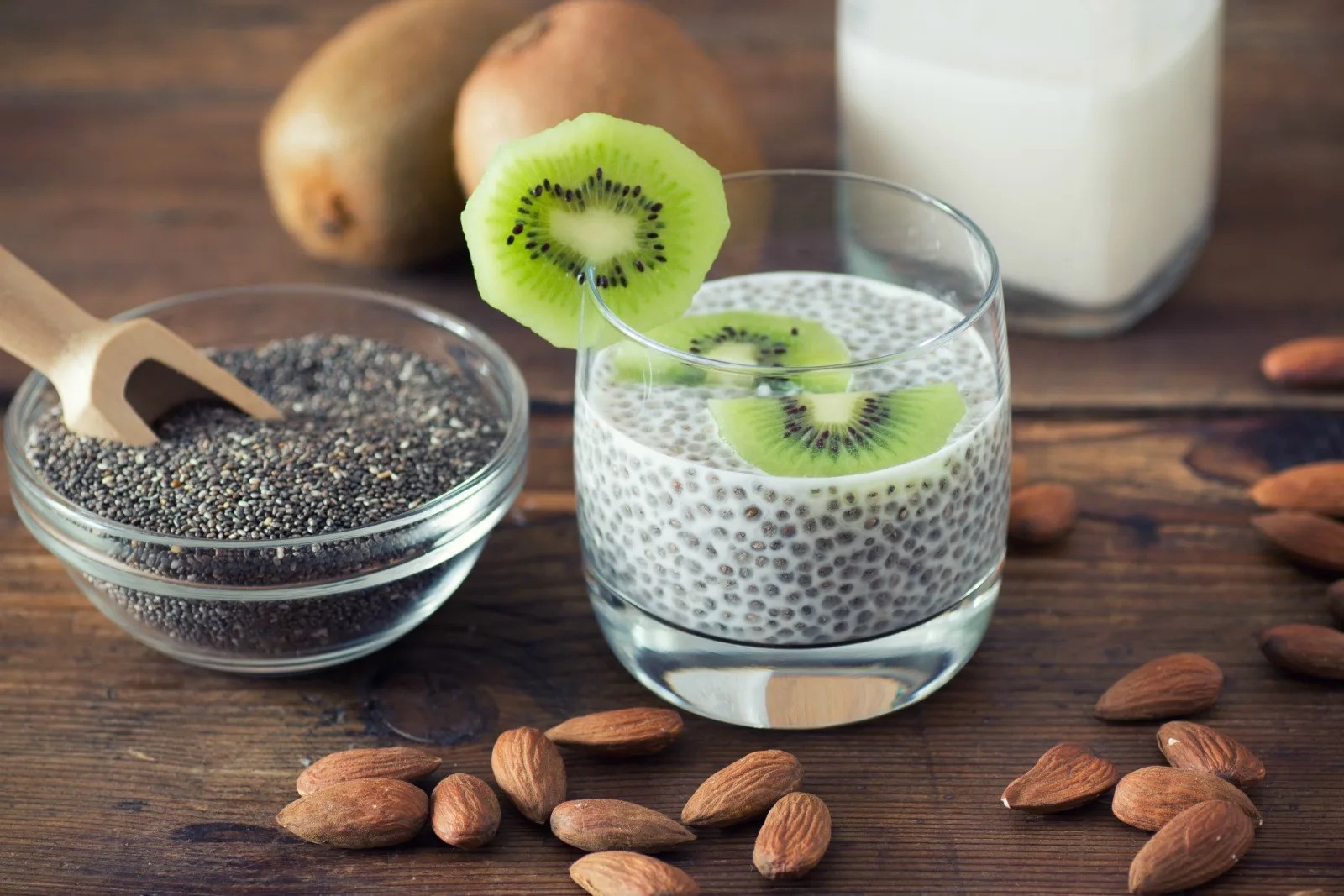
Chia seeds absorb up to 10 times their weight in water. This makes them extremely helpful for hydration support.
Why Chia Seeds Reduce Thirst
Their gel-forming fiber slows digestion and helps retain fluids in the digestive tract.
Benefits
-
Omega-3 fatty acids
-
High fiber
-
Slow glucose release
-
Promote fullness
How to Use
-
Add 1 to 2 tablespoons to oats
-
Mix into yogurt
-
Make chia pudding with milk
Small quantity, big impact.
5. Whole-Grain Bread or Brown Rice
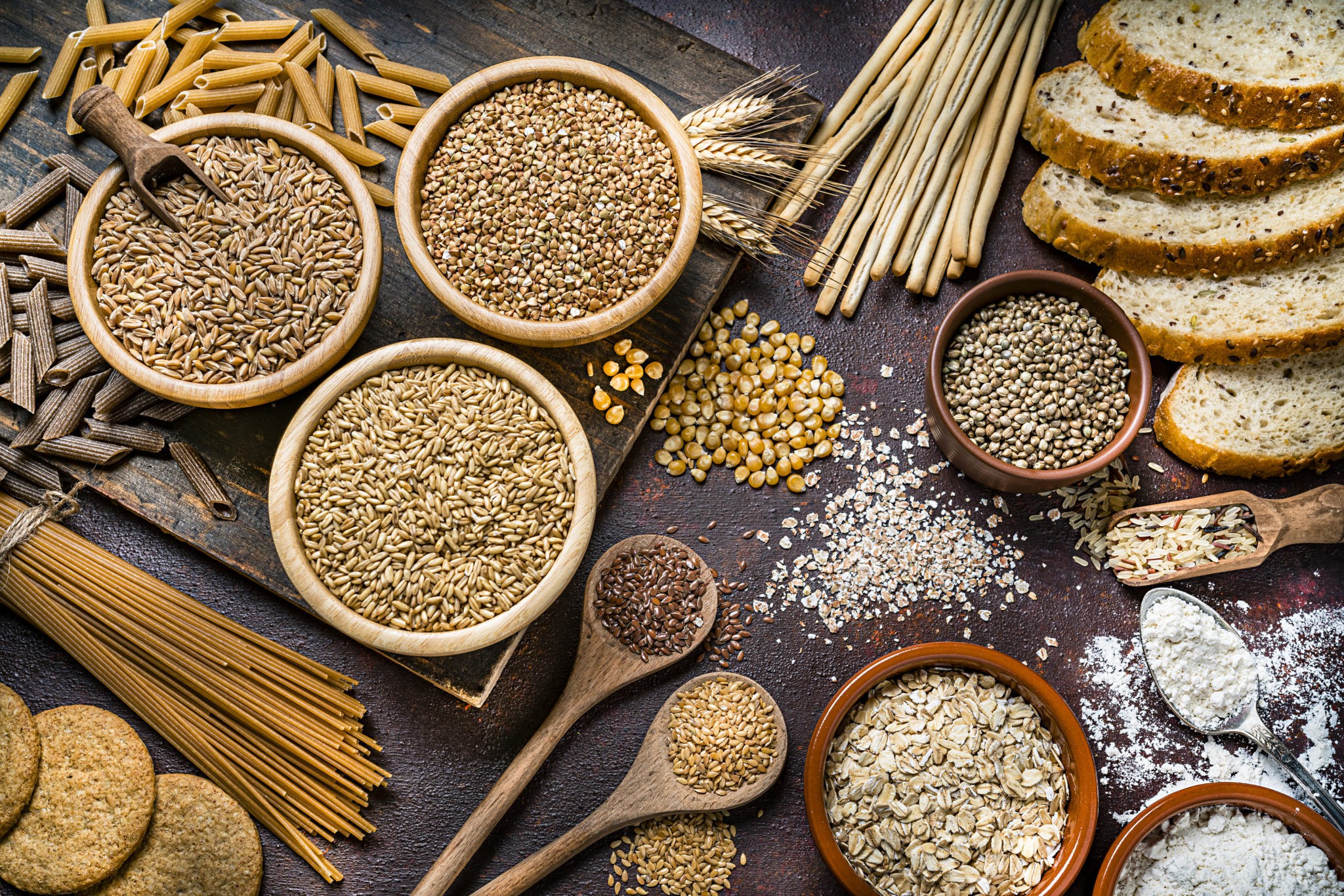
Complex carbohydrates are the foundation of sustained energy.
What Makes Whole Grains Superior
Whole grains contain bran and germ, preserving fiber and nutrients that slow digestion.
Refined grains spike blood sugar rapidly and lead to crashes.
Benefits
-
Steady glucose release
-
Improved insulin response
-
Higher fiber content
-
Longer-lasting fullness
Best Options
-
Whole wheat bread
-
Brown rice
-
Multigrain roti
-
Quinoa
Avoid white bread and pastries at suhoor.
Also read: "25 Pro Tips On How To Sleep Better At Night Naturally"
6. Dates (In Moderation)
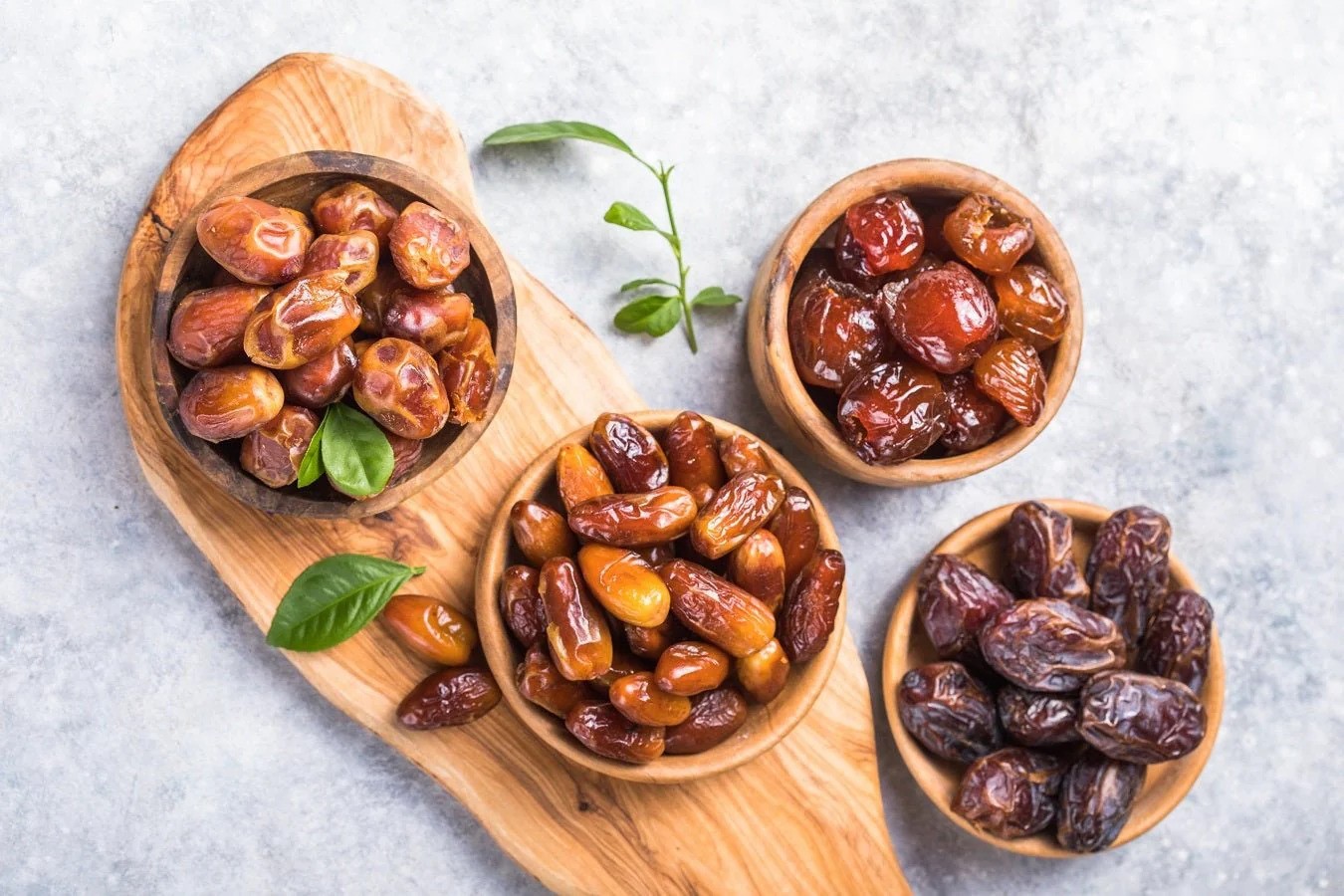
Dates are traditionally associated with Ramadan, especially at iftar. However, small amounts at suhoor can provide steady natural sugars combined with fiber.
Why Dates Help
They contain glucose, fructose, potassium, and fiber. This combination provides quick yet stable energy when paired with protein.
How Many?
1 to 2 dates are sufficient at suhoor.
Pair with:
-
Nut butter
-
Yogurt
-
Milk
Avoid consuming several dates alone, as that may spike blood sugar.
7. Nut Butters and Nuts
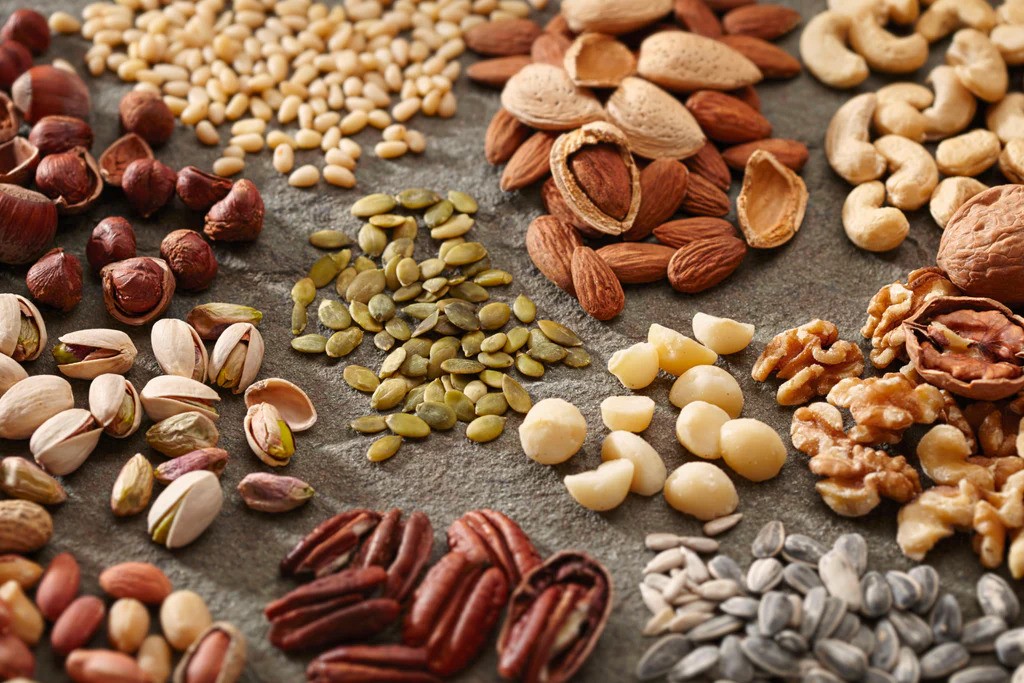
Almonds, walnuts, and peanut butter provide healthy fats and protein.
Why Fats Matter in Suhoor
Healthy fats slow digestion and extend satiety. They also reduce post-meal glucose spikes.
Benefits
-
High energy density
-
Rich in magnesium
-
Support heart health
-
Stabilize blood sugar
Practical Use
-
Spread almond butter on whole-grain toast
-
Add walnuts to oatmeal
-
Blend peanut butter into smoothies
Portion control is key due to calorie density.
8. Avocado
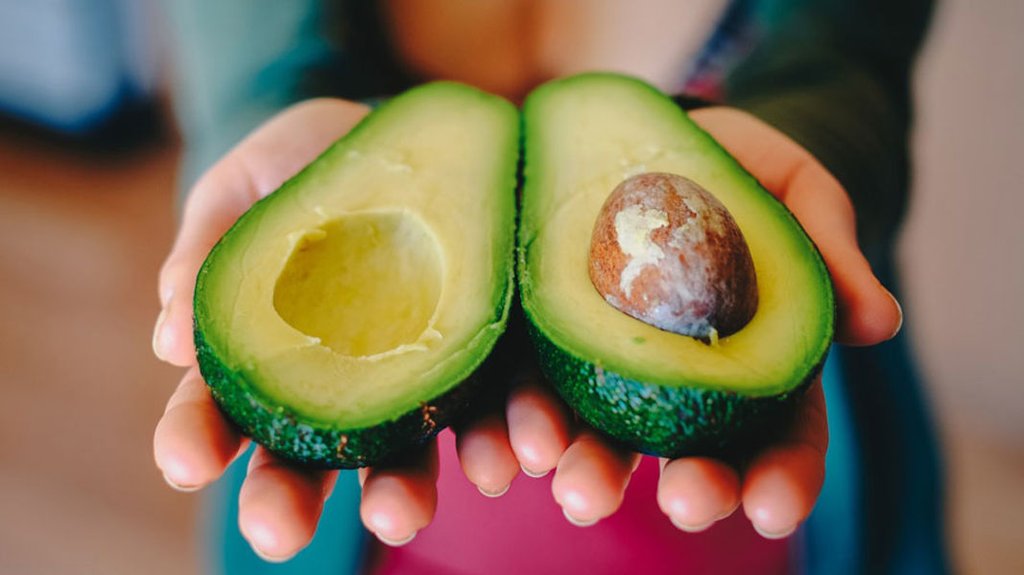
Avocado is rich in monounsaturated fats and potassium.
Why It Reduces Fatigue
Potassium supports fluid balance and nerve function, which can reduce fatigue and muscle cramps during fasting.
Benefits
-
Healthy fats
-
Fiber
-
Electrolyte support
-
Anti-inflammatory properties
Best Pairings
-
Avocado on whole-grain toast with eggs
-
Avocado smoothie with milk and dates
-
Side portion with omelet
9. Lentils and Legumes
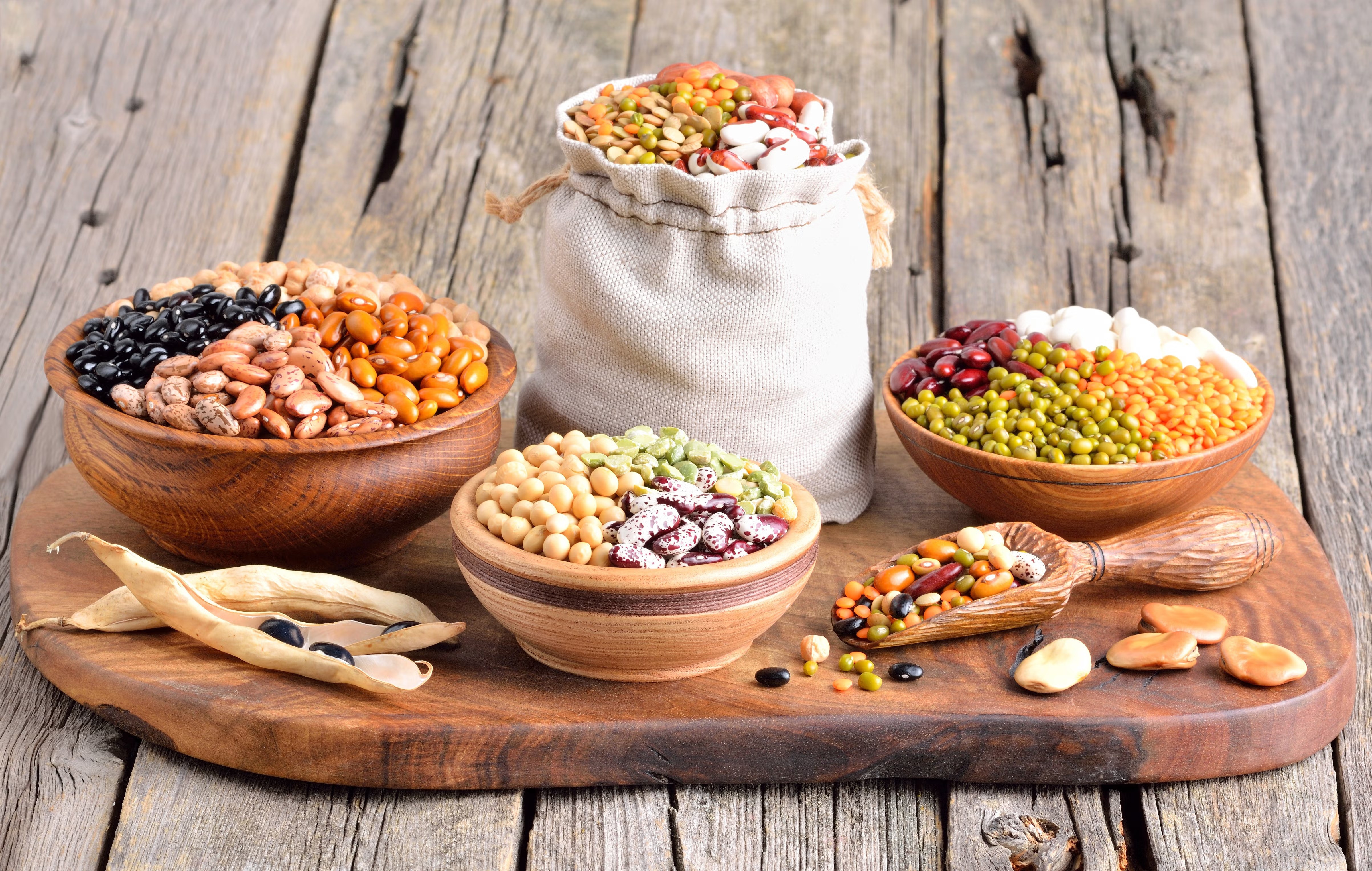
Lentils, chickpeas, and beans are excellent sources of plant-based protein and fiber.
Why Legumes Sustain Energy
They digest slowly due to the resistant starch and fiber content.
Benefits
-
Stabilize blood sugar
-
Improve gut health
-
High protein for vegetarians
-
Rich in iron
Suhoor Ideas
-
Lentil soup
-
Chickpea salad
-
Hummus with whole-grain bread
These are especially effective for long summer fasts.
Also read: "17 Powerful Virtues & Benefits Of Reciting Surah Ad-Duha"
10. Bananas
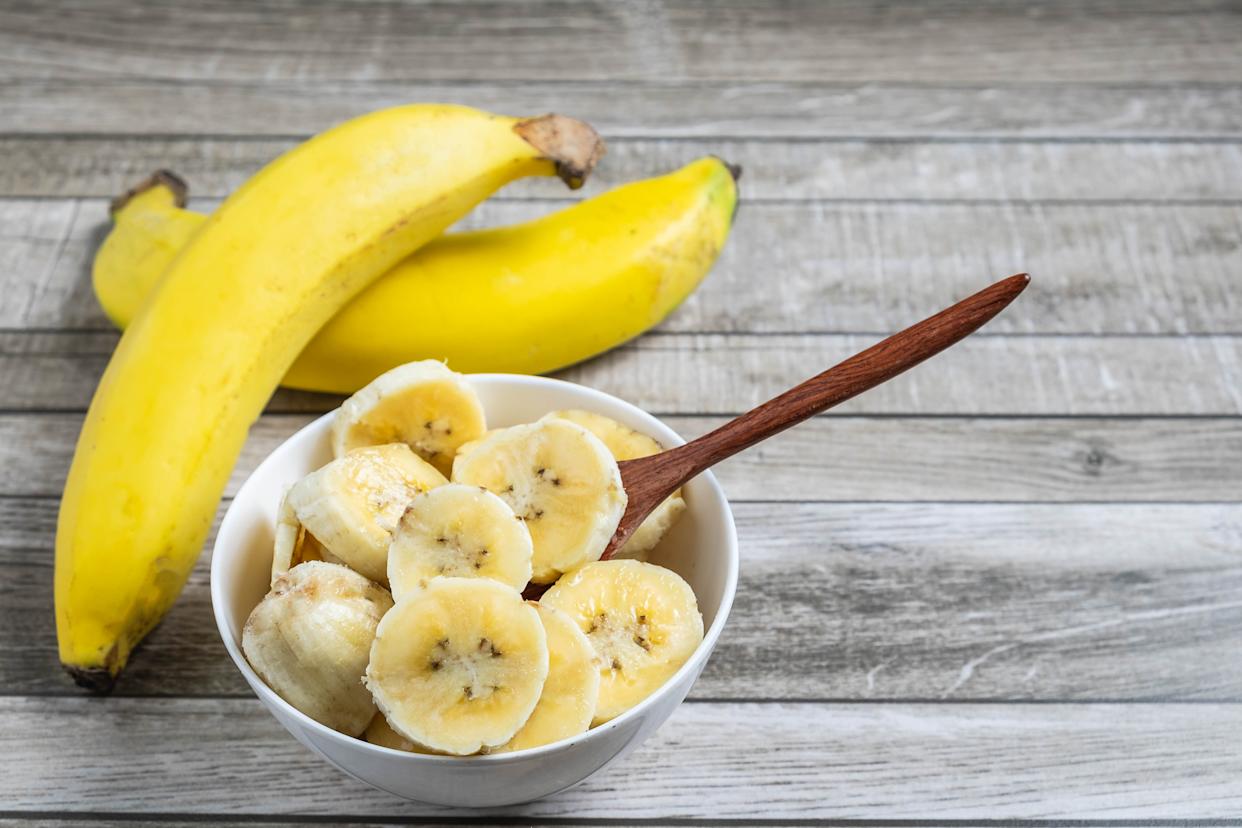
Bananas are often misunderstood as “too sugary.” In reality, when combined with protein, they are excellent suhoor foods.
Why Bananas Help
They provide potassium, natural carbohydrates, and quick yet steady energy.
Best Use
-
Banana with peanut butter
-
Banana in a smoothie with oats and milk
-
Sliced banana over yogurt
Avoid eating bananas alone if you want prolonged satiety.
Comparison Table: Best Suhoor Foods for Energy
|
Food |
Primary Benefit |
Energy Duration |
Best Paired With |
|
Oats |
Slow carbs + fiber |
Long |
Yogurt, nuts |
|
Eggs |
High protein |
Long |
Whole grains |
|
Greek yogurt |
Protein + probiotics |
Moderate to long |
Fruit, seeds |
|
Chia seeds |
Hydration + fiber |
Long |
Oats, milk |
|
Whole grains |
Steady glucose |
Long |
Protein |
|
Dates |
Natural sugars |
Short to moderate |
Nuts, dairy |
|
Nuts |
Healthy fats |
Long |
Oats, yogurt |
|
Avocado |
Fats + potassium |
Long |
Eggs, toast |
|
Lentils |
Fiber + protein |
Long |
Rice, bread |
|
Bananas |
Potassium + carbs |
Moderate |
Nut butter |
What to Avoid at Suhoor
To prevent fatigue and thirst:
-
Sugary cereals
-
White bread
-
Pastries
-
Fried foods
-
Excessively salty foods
-
Large amounts of coffee
Caffeine increases urination and may contribute to dehydration during long fasts.
Also read: "13 Surprising Benefits Of Reciting Surah Al-Waqiah & Its Impacts"
How to Build the Perfect Suhoor Plate
A balanced suhoor meal should include:
-
One slow-digesting carbohydrate
-
One high-quality protein
-
One healthy fat source
-
Fiber-rich addition
-
Adequate water
Example Balanced Suhoor
-
Oatmeal with chia seeds and almond butter
-
Two boiled eggs
-
One banana
-
Two glasses of water
This structure supports blood sugar stability and hydration.
Also read: "Surah Quraish: 21 Powerful Benefits of Reciting & Reading It Daily"
Need Healthcare Assistance?
Our expert healthcare professionals, including the best nutritionists and general physicians near you in Pakistan, are here to support you. If you have specific health concerns or queries, Apka Muaalij encourages you to consult your qualified specialists. Book an online video consultation or call 042-32377001.
Frequently Asked Questions (FAQs)
What is the best suhoor food for long fasting hours?
Oats combined with protein, such as eggs or Greek yogurt, are among the best options. Their fiber and protein content slow digestion and maintain steady blood sugar for extended periods.
Does eating more at suhoor give more energy?
Not necessarily. Overeating can cause sluggishness. Balanced macronutrients matter more than large portion sizes.
Are carbohydrates necessary at suhoor?
Yes. Complex carbohydrates provide glucose, the body’s primary energy source. Without them, fatigue may develop earlier in the day.
Should I avoid coffee at suhoor?
If possible, reduce it. Caffeine can increase dehydration and lead to withdrawal headaches during the day.
Is fruit enough for suhoor?
Fruit alone is not sufficient. Pair it with protein and fats to prevent blood sugar spikes.
Are protein shakes good for suhoor?
They can be effective if balanced with fiber and healthy fats. A smoothie with oats, milk, nut butter, and fruit works well.
How much water should I drink at suhoor?
Aim for 1 to 2 glasses, depending on your total nightly hydration. Spread intake from iftar to suhoor.
Do salty foods increase thirst?
Yes. High-sodium foods can increase dehydration during fasting hours.
Can diabetics follow these suhoor recommendations?
Individuals with diabetes should consult a healthcare provider. Low glycemic index foods and portion control are especially important.
Is it better to skip suhoor to sleep longer?
Skipping suhoor often leads to early fatigue, dehydration, and headaches. A small balanced meal is usually better than none.
Disclaimer: This article is for informational purposes only and does not replace personalized medical advice. Individuals with medical conditions such as diabetes, kidney disease, gastrointestinal disorders, or those who are pregnant should consult a qualified healthcare professional before making dietary changes during Ramadan.

Find & Book the best "General Physician" near you
Book Appointment