

11 Powerful Health Benefits of Drinking Milk & Best Time to Drink It
Milk has been part of human nutrition for thousands of years. It is mentioned in ancient medical texts, modern dietary guidelines, and even in the Qur’an as a sign of divine provision. Yet despite its long history, milk remains one of the most debated foods today. Some praise it as a complete natural drink, while others question its relevance in modern diets.
This article takes a balanced, evidence-based approach. Drawing from medical research and nutrition scienceother sources, it explains 11 proven health benefits of drinking milk, who benefits most from it, and the best time to drink milk for maximum results. The aim is clarity, not hype, and guidance you can actually use.
Also read: "27 Magnesium-Rich Foods That Are Healthy For Men & Women"
Milk at a Glance: What Makes It Nutritionally Unique
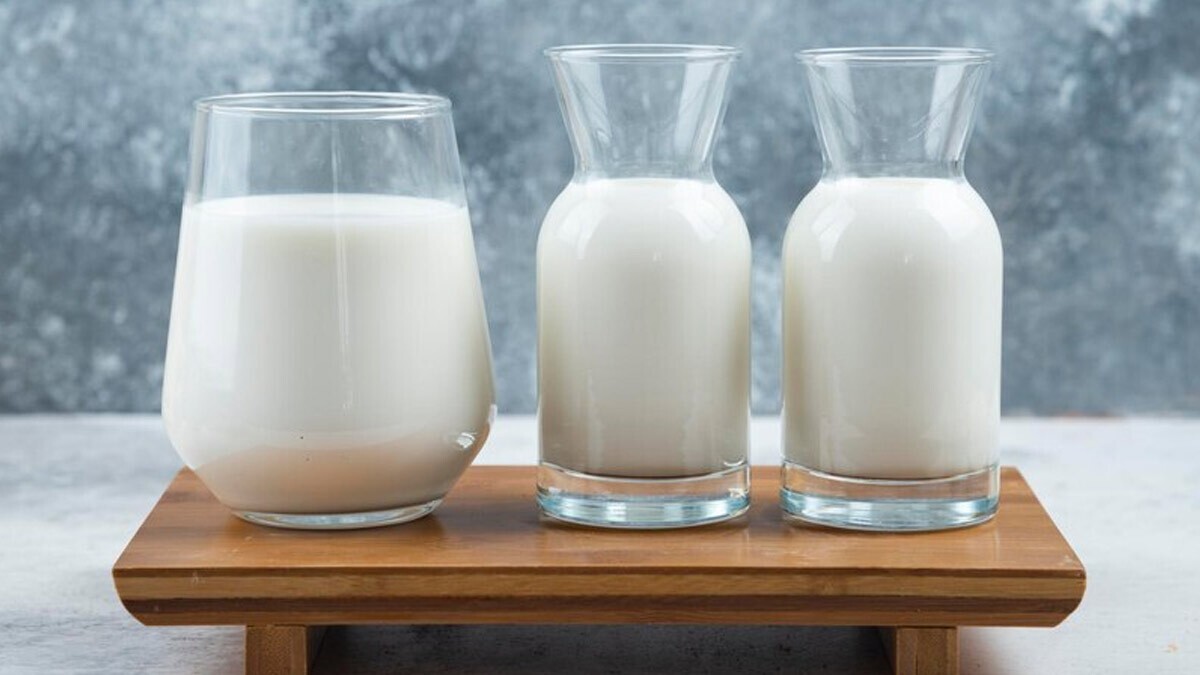
Milk is often called a “complete food” because it naturally contains a wide range of essential nutrients in balanced proportions.
Key Nutrients in One Glass of Milk (Approx. 250 ml)
|
Nutrient |
Approximate Amount |
Health Role |
|
Protein |
8 g |
Muscle repair, immunity |
|
Calcium |
300 mg |
Bone and teeth strength |
|
Vitamin D |
2.5 mcg (fortified) |
Calcium absorption |
|
Vitamin B12 |
1.2 mcg |
Nerve and blood health |
|
Potassium |
350 mg |
Heart and muscle function |
|
Phosphorus |
230 mg |
Bone metabolism |
According to Harvard T.H. Chan School of Public Health, milk provides high-quality protein with all essential amino acids, making it particularly valuable for growth, recovery, and aging populations.
Read: "21 Top Health Benefits Of Watermelon, Uses, Side Effects & More"
11 Scientifically Supported Health Benefits of Drinking Milk

1. Strengthens Bones and Prevents Osteoporosis
Milk is one of the most reliable dietary sources of calcium and phosphorus. When combined with vitamin D, these minerals improve bone density and reduce fracture risk.
Research published in The Journal of Bone and Mineral Research shows that consistent dairy intake is associated with higher bone mass, especially in adolescents and older adults.
This benefit is especially relevant for women, who are at higher risk of osteoporosis after menopause.
2. Supports Muscle Growth and Recovery
Milk contains both whey and casein proteins. Whey is fast-digesting, while casein is slow-digesting. This combination supports muscle repair over several hours.
Sports medicine research from McMaster University has shown that milk is as effective as commercial protein drinks for post-exercise muscle recovery.
For physically active individuals, milk offers a natural and affordable recovery option.
3. Promotes Heart Health When Consumed Moderately
Contrary to old beliefs, moderate milk intake does not increase heart disease risk for most people.
A large meta-analysis in The American Journal of Clinical Nutrition found that dairy consumption was associated with a neutral or slightly reduced risk of cardiovascular disease.
Milk provides potassium, which helps regulate blood pressure by balancing sodium levels.
4. Improves Dental Health
Calcium and phosphorus in milk help remineralize tooth enamel. Casein protein also forms a protective layer on teeth, reducing acid damage.
Dental associations, including the American Dental Association, recognize milk as a tooth-friendly beverage, especially when compared to sugary drinks.
5. Enhances Digestive Health in Tolerant Individuals
Fermented milk products like yogurt are better known for gut health, but plain milk still supports digestion by providing proteins and electrolytes.
Lactose-intolerant individuals may tolerate small amounts of milk or lactose-free options. For others, milk can soothe the stomach lining and help with mild acidity.
6. Supports Brain Function and Mental Health
Milk contains vitamin B12, iodine, and high-quality fats that support brain function.
A study from the University of Oxford linked adequate B12 intake with better memory and cognitive performance, particularly in older adults.
Warm milk before bedtime is also associated with relaxation, partly due to tryptophan, an amino acid involved in serotonin production.
Read: "Talbina: 20 Health Benefits, Side Effects & Prophetic Recipe"
7. Helps Maintain a Healthy Weight
Milk increases satiety due to its protein and fat content. This can reduce overall calorie intake when used strategically.
Research in Nutrition Reviews suggests that dairy consumption may help preserve lean muscle mass during weight loss, which is critical for metabolic health.
8. Supports Healthy Skin and Hair
Milk provides vitamin A, zinc, and protein, all essential for skin repair and hair growth.
Dermatologists note that adequate protein intake is necessary for collagen production. Milk contributes naturally without the need for supplements.
9. Boosts Immune System Function
Milk contains immunoglobulins, zinc, selenium, and vitamins A and B12. These nutrients support immune cell production and function.
Clinical nutrition research indicates that protein deficiency weakens immunity, and milk helps meet daily protein needs efficiently.
10. Helps Regulate Blood Sugar When Used Correctly
Milk has a low to moderate glycemic index. It's protein and fat that slow glucose absorption.
For people with diabetes, medical guidelines recommend consuming milk with meals rather than alone to prevent blood sugar spikes.
11. A Nourishing and Spiritually Honored Food in Islam
Milk holds a unique status in Islam. Allah says in the Qur’an:
“And indeed, for you in grazing livestock is a lesson. We give you drink from what is in their bellies, between excretion and blood, pure milk, palatable to drinkers.”
(Surah An-Nahl 16:66)
The Prophet Muhammad ﷺ loved milk and made du‘a after drinking it, as reported in Sunan Ibn Majah:
“O Allah, bless us in it and give us more of it.”
Islamic scholars note that milk symbolizes purity, balance, and natural provision. Its nutritional completeness aligns with the Islamic principle of moderation and wholesome sustenance.
Also read: "16 Powerful Benefits Of Kiwi Fruit, Uses, When To Eat & Price In Pakistan"
Best Time to Drink Milk

Timing matters. The effects of milk can vary depending on when and how it is consumed.
-
Morning: Drinking milk in the morning provides protein, calcium, and hydration. It pairs well with breakfast and supports muscle and brain activity.
-
Afternoon or Post-Workout: Milk after physical activity helps replenish fluids, electrolytes, and proteins. This is one of the most effective times for muscle repair.
-
Night: Warm milk before bedtime may improve sleep quality. Traditional medicine systems and modern sleep research both support this practice.
When to Avoid Milk
Avoid drinking milk on an empty stomach if you have digestive sensitivity. Also, avoid combining it with salty or sour foods, which can impair digestion.
Also read: "Makhana (Fox Nuts): 12 Health Benefits, Nutrients, Uses & Recipes"
Who Should Be Careful with Milk?
Milk is beneficial, but not for everyone.
-
Lactose intolerance requires lactose-free or fermented options
-
Milk allergy requires complete avoidance
-
Certain digestive conditions may need medical advice
Consult a healthcare professional if unsure.
Also read: "12 Health Potential Benefits Of Avocado, Uses, Side Effects, Recipes & More"
Bottom Line
Milk remains one of the most nutrient-dense natural drinks available. When consumed at the right time and in moderation, it supports bone health, muscle recovery, immunity, mental well-being, and spiritual mindfulness. Both modern science and Islamic tradition recognize its value as a balanced and nourishing food.
The key is personalization. Understand your body, choose quality sources, and integrate milk thoughtfully into your daily routine.
If you’d like to learn more about your daily nutritional intake and its impact on your overall health, consult with the best nutritionists near you in Pakistan. For quick advice or to book an appointment, call 0423-2377001 and connect with a certified doctor through Apka Muaalij, a trusted telemedicine platform in Pakistan.
Frequently Asked Questions About Drinking Milk
Is milk good for adults or only children?
Milk benefits adults by supporting bones, muscles, and overall nutrition when consumed in moderation.
Can drinking milk daily cause weight gain?
Not inherently. Excess calories cause weight gain, not milk itself.
Is milk better hot or cold?
Warm milk aids digestion and sleep. Cold milk is refreshing but may slow digestion in some people.
Can diabetics drink milk?
Yes, preferably with meals and in controlled portions.
Is milk inflammatory?
For most people, no. Those with intolerance may experience inflammation-like symptoms.
Is milk sunnah?
Milk was loved by the Prophet ﷺ and frequently consumed, making it a recommended wholesome food.
Can milk improve sleep?
Yes, especially warm milk before bedtime.
How much milk should an adult drink daily?
One to two glasses per day is sufficient for most adults.
Is plant-based milk nutritionally equal?
Most lack natural protein and micronutrients unless fortified.
Does milk increase mucus?
Scientific evidence does not support this claim.
Is raw milk healthier?
Raw milk carries infection risks and is not recommended by health authorities.
Can milk strengthen immunity?
Yes, through protein, vitamins, and minerals that support immune function.
Should milk be avoided at night?
Only if it causes discomfort. Otherwise, it is beneficial.
Is milk good during illness?
Yes, unless advised otherwise by a doctor.
Disclaimer: This article is for educational and informational purposes only. It does not replace professional medical advice, diagnosis, or treatment. Individuals with medical conditions, allergies, or dietary restrictions should consult a qualified healthcare provider before making dietary changes. Islamic references are provided for general understanding and should be interpreted within the proper scholarly context.

Find & Book the best "Nutritionist" near you
Book Appointment
Dr. Bisma Shehzadi
Dr. Dr. Bisma Shehzadi is a highly experienced specialist based in Lahore, Pakistan with over several years of clinical expertise. Specializing in evidence-based and patient-centered care, they provides advanced treatment tailored to individual needs. Currently available on Apka Muaalij, appointments can be booked at 042-32377001.