

13 Amazing Health Benefits Of Sabudana, Nutrition & Daily Uses
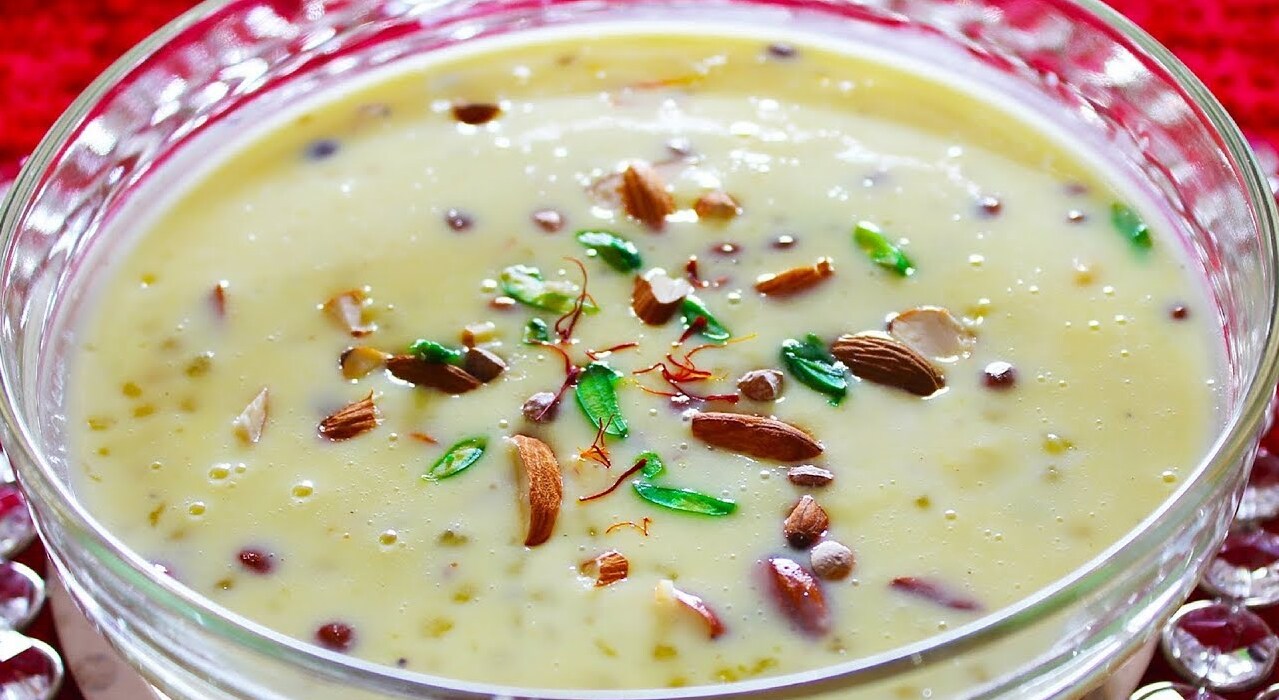
Sabudana has been part of South Asian kitchens for generations. In Pakistan, it is commonly prepared during fasting, after illness, or whenever a light and filling meal is needed. While many people associate sabudana with simple dishes like porridge or khichdi, its popularity is not accidental. The reason sabudana continues to appear in home remedies and traditional meals lies in its ability to provide fast energy, its easy digestion, and its adaptability in different diets.
Although sabudana is mainly a starch-based food, understanding its benefits helps explain why it is recommended during weakness, dehydration, or long fasting hours. When eaten correctly and in moderation, it can serve a useful role in daily nutrition.
Read: "18 Incredible Benefits Of Tukh Malanga (Basil Seeds) | Nutrition, Uses, & More"
What is Sabudana?
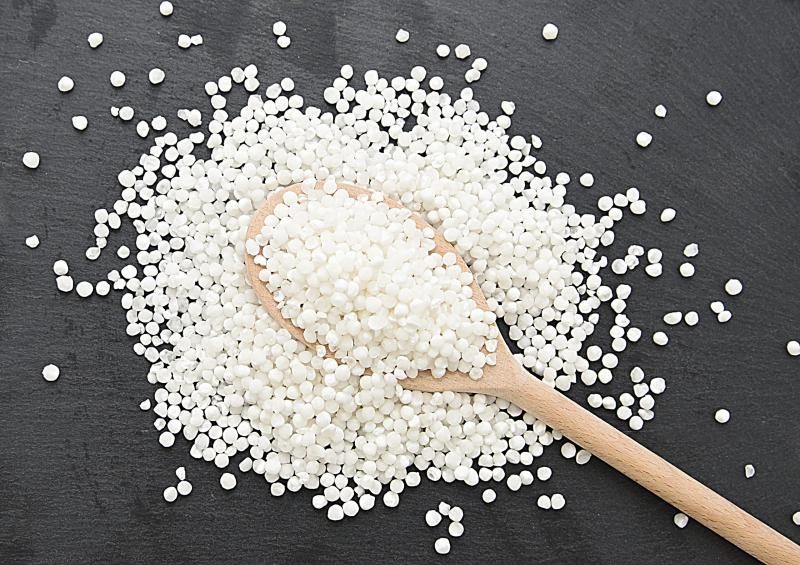
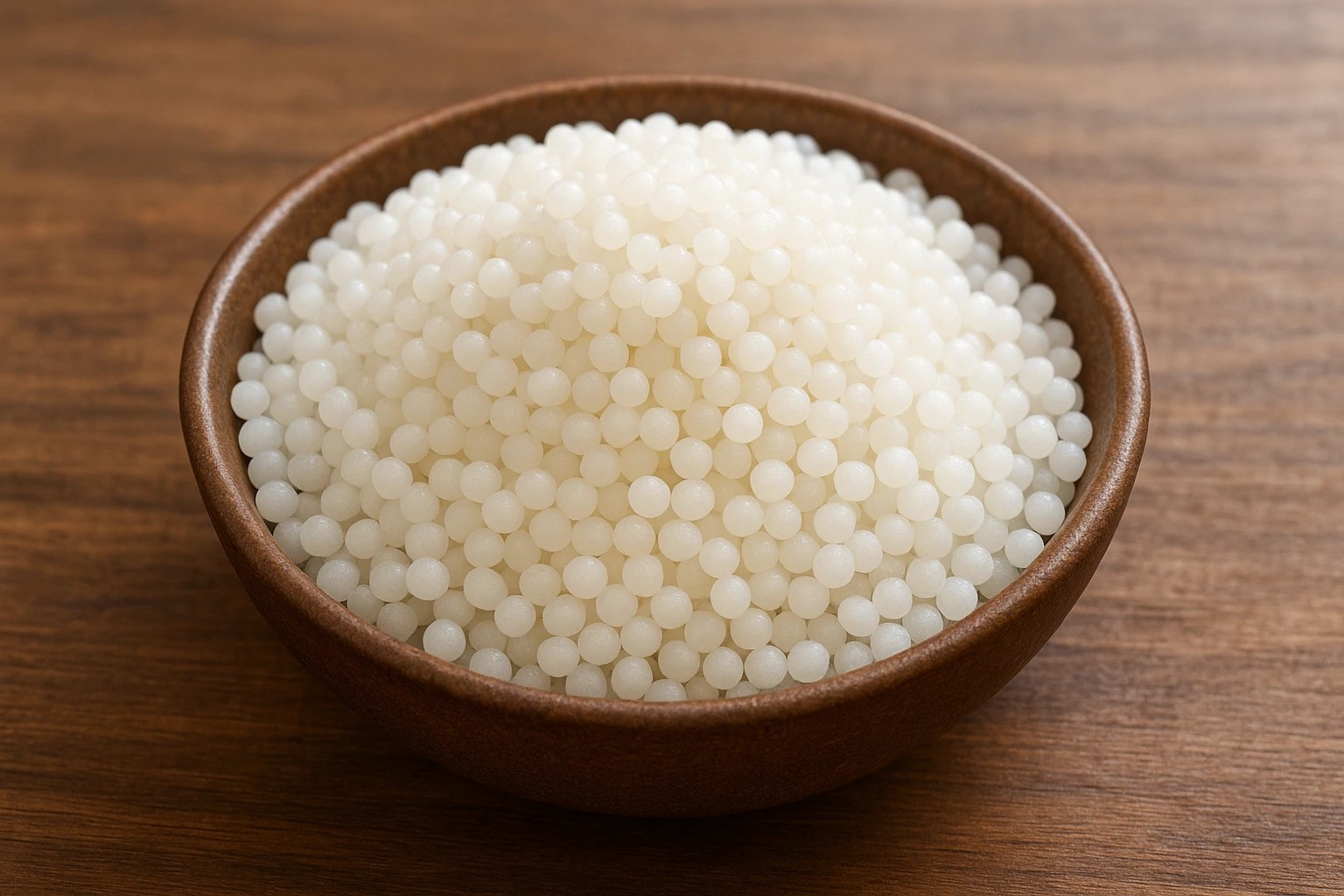
Sabudana is commonly known in English as tapioca pearls or sometimes sago, depending on the source. It is made by extracting starch from cassava roots. The starch is processed into small white pearls that expand and soften when soaked and cooked.
Because sabudana is naturally gluten-free and low in fat, it is often included in diets where digestion needs to remain gentle.
Sabudana Benefits in Urdu
سبودانہ ایک نشاستہ سے بھرپور غذا ہے جو جسم کو فوری توانائی فراہم کرتی ہے۔ پاکستان میں یہ خاص طور پر روزوں، کمزوری، یا بیماری کے بعد استعمال کی جاتی ہے کیونکہ یہ ہلکی ہوتی ہے اور آسانی سے ہضم ہو جاتی ہے۔ تاہم، چونکہ اس میں فائبر اور پروٹین کم ہوتے ہیں، اس لیے اسے دیگر غذاؤں کے ساتھ ملا کر کھانا زیادہ مفید سمجھا جاتا ہے۔
Also read: "Kishmish Benefits For Men: 15 Amazing Raisin Benefits For Sexual Health & Energy"
Nutritional Value of Sabudana (Per 100g)
Sabudana’s benefits are closely linked to its nutritional makeup.
| Nutrient | Approximate Amount |
|---|---|
| Calories | 350–358 kcal |
| Carbohydrates | 83–88 g |
| Protein | ~0.2 g |
| Fat | 0.1–0.2 g |
| Fiber | 0.5–0.9 g |
| Calcium | ~20 mg |
| Iron | ~1–3 mg |
| Potassium | ~11–60 mg |

Find & Book the best "Nutritionist" near you
Book Appointment
Ifra Sarwar
Dr. Ifra Sarwar is a highly experienced specialist based in Lahore, Pakistan with over several years of clinical expertise. Specializing in evidence-based and patient-centered care, they provides advanced treatment tailored to individual needs. Currently available on Apka Muaalij, appointments can be booked at 042-32377001.