

16 Benefits Of Extra Virgin Olive Oil, Uses, Side Effects & More
Extra virgin olive oil has held a respected place in human history, medicine, and spiritual tradition for thousands of years. From ancient Mediterranean civilizations to modern clinical nutrition research, it has been valued not merely as a cooking fat but as a therapeutic food with wide-ranging benefits for the body and mind. Today, science continues to validate what tradition and faith have long emphasized.
This detailed blog explores the 16 proven benefits of extra virgin olive oil, its practical uses, possible side effects, and religious significance, with evidence drawn from reputable medical journals, universities, and Islamic sources. The goal is clarity, trust, and real-world usefulness for all readers.
Also, go through: "20 Health Benefits of Sesame Seeds & Oil, Uses, Best Time & More"
What Is Extra Virgin Olive Oil?
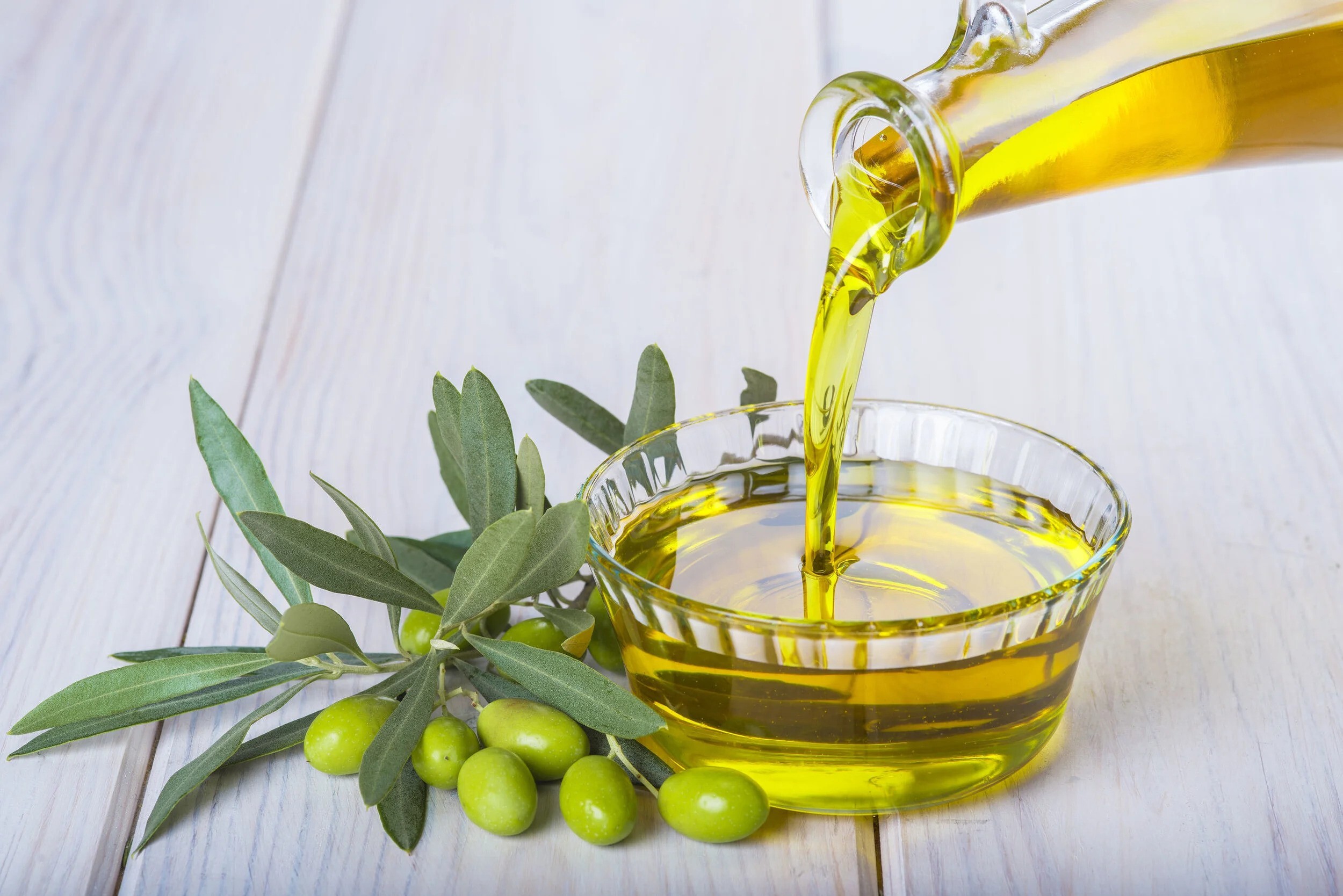
Extra virgin olive oil, commonly abbreviated as EVOO, is the highest quality form of olive oil. It is extracted from fresh olives using mechanical processes without heat or chemicals. To qualify as extra virgin, the oil must meet strict standards for acidity, flavor, and purity.
Key Characteristics of Extra Virgin Olive Oil
|
Feature |
Description |
|
Extraction method |
Cold-pressed, mechanical only |
|
Acidity level |
Less than 0.8 percent |
|
Nutrient profile |
Rich in polyphenols, vitamin E, and monounsaturated fats |
|
Taste |
Fruity, slightly bitter, or peppery |
|
Processing |
No refining or chemical treatment |
These characteristics are what give extra virgin olive oil its unique health properties.
Nutritional Profile at a Glance
One tablespoon of extra virgin olive oil contains approximately:
-
120 calories
-
14 grams of fat, mostly oleic acid
-
Vitamin E and vitamin K
-
Powerful antioxidants such as hydroxytyrosol and oleuropein
According to Harvard T.H. Chan School of Public Health, olive oil is among the healthiest dietary fats due to its effect on inflammation and cardiovascular health.
Also read: "11 Powerful Health Benefits of Drinking Milk & Best Time to Drink It"
16 Proven Health Benefits of Extra Virgin Olive Oil
1. Supports Heart Health
Extra virgin olive oil is strongly associated with reduced risk of heart disease. Its high oleic acid content helps lower LDL cholesterol while maintaining or increasing HDL cholesterol.
A large study published in The New England Journal of Medicine found that individuals following a Mediterranean diet supplemented with extra virgin olive oil had a significantly lower risk of major cardiovascular events.
2. Reduces Chronic Inflammation
Chronic inflammation is linked to arthritis, diabetes, cancer, and heart disease. EVOO contains oleocanthal, a compound with anti-inflammatory properties similar to ibuprofen.
Dr. Paul Breslin, a nutritional scientist at Rutgers University, notes that oleocanthal inhibits inflammatory enzymes in a way comparable to non-steroidal anti-inflammatory drugs.
3. Helps Prevent Type 2 Diabetes
Multiple clinical trials show that diets rich in extra virgin olive oil improve insulin sensitivity and glycemic control. A meta-analysis in Diabetes Care reported a reduced risk of type 2 diabetes among individuals consuming olive oil regularly.
4. Protects Brain Health and Memory
Extra virgin olive oil may slow cognitive decline and reduce the risk of Alzheimer’s disease. Polyphenols in olive oil help protect neurons from oxidative stress.
Research from Temple University demonstrated that olive oil consumption improved memory and learning ability in animal models by reducing amyloid plaque formation.
5. Aids Digestive Health
EVOO stimulates bile production, improves gut motility, and supports a healthy gut microbiome. It has traditionally been used to relieve constipation and mild digestive discomfort.
6. Supports Healthy Weight Management
Despite being calorie-dense, extra virgin olive oil can support weight control by increasing satiety and improving fat metabolism. It helps people feel fuller longer, reducing unnecessary snacking.
7. Strengthens the Immune System
The antioxidants in olive oil enhance immune defense by reducing oxidative stress and supporting white blood cell function. This is particularly important during seasonal illnesses.
8. Improves Skin Health and Aging
Vitamin E and polyphenols protect the skin from UV damage and premature aging. Topical and dietary use both support skin elasticity and hydration.
Dermatological studies published in Clinical Interventions in Aging highlight olive oil’s role in protecting against photoaging.
9. Supports Bone Strength
Extra virgin olive oil may help improve calcium absorption and bone mineral density. This is especially beneficial for older adults at risk of osteoporosis.
A study in Osteoporosis International found improved bone markers in individuals consuming olive oil regularly.
Also read: "21 Powerful Benefits Of Castor Oil For Overall Health & Safe Uses"
10. May Reduce Cancer Risk
Laboratory and observational studies suggest that olive oil polyphenols may inhibit cancer cell growth, particularly in breast and colorectal cancers.
Researchers from the University of Oxford have noted lower cancer incidence rates in populations with high olive oil consumption.
11. Supports Liver Function
Extra virgin olive oil protects liver cells from oxidative damage and fat accumulation. It is beneficial for individuals with fatty liver disease when used as part of a balanced diet.
12. Helps Lower Blood Pressure
Regular intake of EVOO has been shown to modestly reduce systolic and diastolic blood pressure, according to studies published in the Hypertension journal.
13. Improves Hair Strength and Scalp Health
When used externally or consumed, olive oil helps nourish hair follicles, reduce dryness, and improve scalp circulation.
14. Supports Joint and Muscle Health
Anti-inflammatory compounds in EVOO help reduce joint stiffness and muscle soreness, making it useful for individuals with arthritis or physically active lifestyles.
15. Enhances Nutrient Absorption
Fat-soluble vitamins such as A, D, E, and K are better absorbed when consumed with olive oil. It also enhances the absorption of antioxidants from vegetables.
16. Promotes Longevity
Populations with high olive oil intake, such as those in Mediterranean regions, consistently show lower mortality rates and longer life expectancy.
Also, go through: "Turmeric Milk (Haldi Dhoodh): 16 Powerful Benefits & Uses In Urdu"
Religious Significance in Islam
Olive oil holds a special place in Islamic tradition.
Allah says in the Quran:
“Lit from a blessed tree, an olive, neither of the east nor of the west, whose oil would almost glow even if untouched by fire.”
(Surah An-Nur 24:35)
The Prophet Muhammad ﷺ said:
“Eat olive oil and anoint yourselves with it, for it comes from a blessed tree.”
(Sunan Ibn Majah, Hadith 3319)
These references highlight both the spiritual and physical value of olive oil in Islam.
Read: "10 Astonishing Benefits Of Black Coffee – Uses, Side Effects & More"
How to Take Extra Virgin Olive Oil?
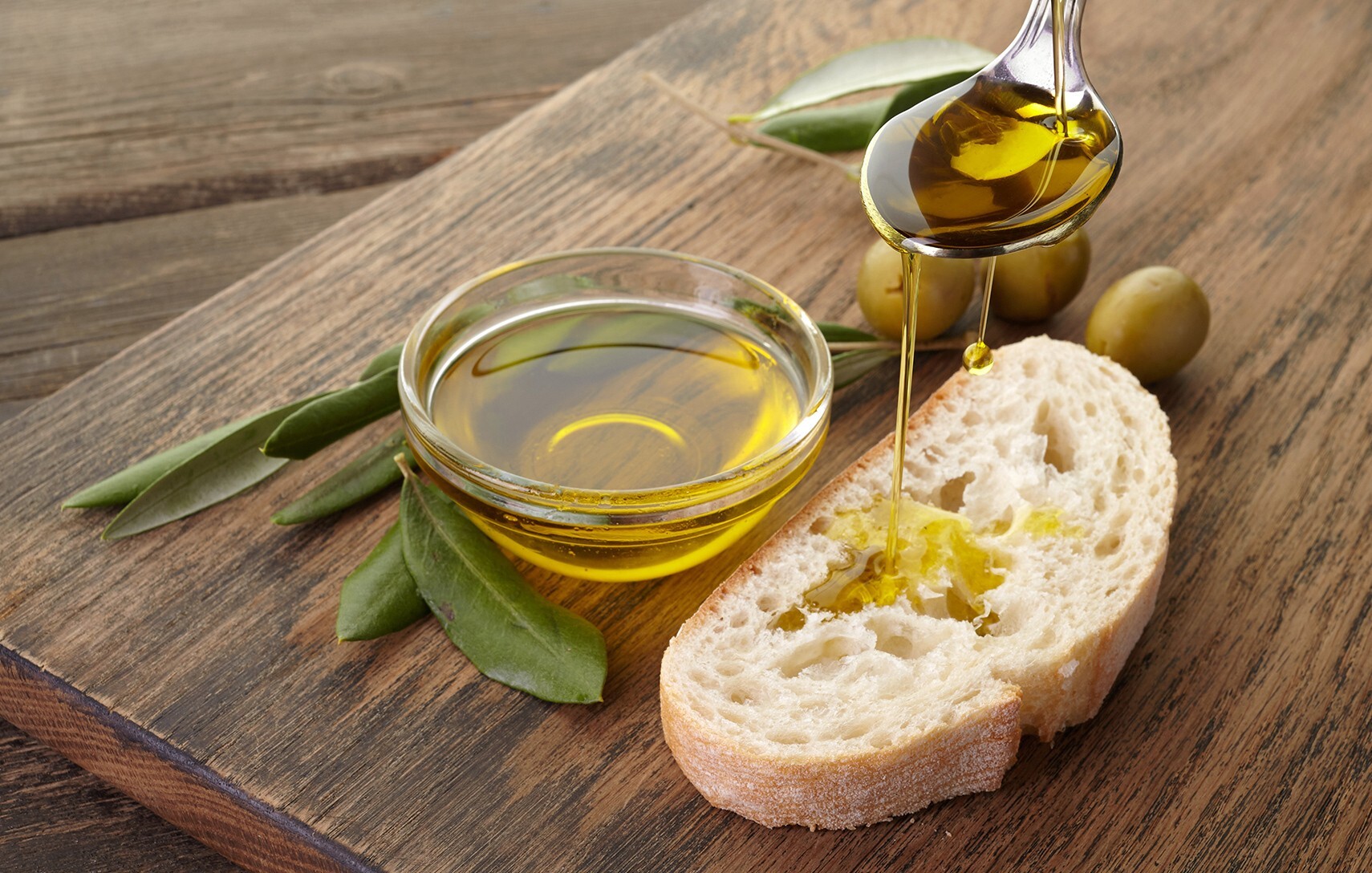
The way extra virgin olive oil is consumed matters almost as much as the oil itself. Proper timing, quantity, and method can significantly influence how well the body absorbs its beneficial compounds.
1. Taking Extra Virgin Olive Oil on an Empty Stomach
One of the most traditional and widely practiced methods is consuming extra virgin olive oil first thing in the morning.
How to do it
-
Take 1 tablespoon of extra virgin olive oil on an empty stomach
-
Wait 20 to 30 minutes before eating breakfast
Potential benefits
-
Supports digestion and bowel regularity
-
Stimulates bile flow and liver function
-
Helps reduce gut inflammation
This practice is common in Mediterranean cultures and is also used by people seeking natural digestive support.
2. Extra Virgin Olive Oil With Meals
Consuming olive oil with food is the most evidence-backed approach supported by clinical nutrition studies.
Best ways to include it
-
Drizzle over salads, vegetables, or cooked lentils
-
Use as a finishing oil for soups and grains
-
Mix with yogurt or hummus
Eating olive oil alongside vegetables improves the absorption of fat-soluble nutrients such as vitamins A, D, E, and K, as well as antioxidants like beta-carotene and lycopene.
3. Extra Virgin Olive Oil With Lemon or Honey
Some people combine olive oil with lemon juice or honey, especially for digestive or throat-related benefits.
Common combinations
-
Olive oil + lemon juice: often used for digestion and liver support
-
Olive oil + honey: traditionally used for soothing the throat and boosting energy
While these combinations are widely used in traditional medicine, they should be viewed as supportive practices rather than medical treatments.
4. Using Extra Virgin Olive Oil for Therapeutic Purposes
Beyond dietary use, olive oil is commonly applied externally.
Topical uses
-
Gentle massage for joint stiffness or muscle soreness
-
Moisturizer for dry skin and lips
-
Hair and scalp nourishment to reduce dryness
When used on skin or hair, cold-pressed extra virgin olive oil is preferred due to its intact antioxidant content.
5. Recommended Daily Intake
|
Purpose |
Suggested Amount |
|
General health |
1 to 2 tablespoons per day |
|
Digestive support |
1 tablespoon on an empty stomach |
|
Heart health |
2 tablespoons with meals |
|
External use |
As needed |
Consuming more than this regularly may add unnecessary calories without added benefit.
Also read: "How Does Detox Water Benefit You To Boost Your Health & Body?"
Best Time to Take Extra Virgin Olive Oil
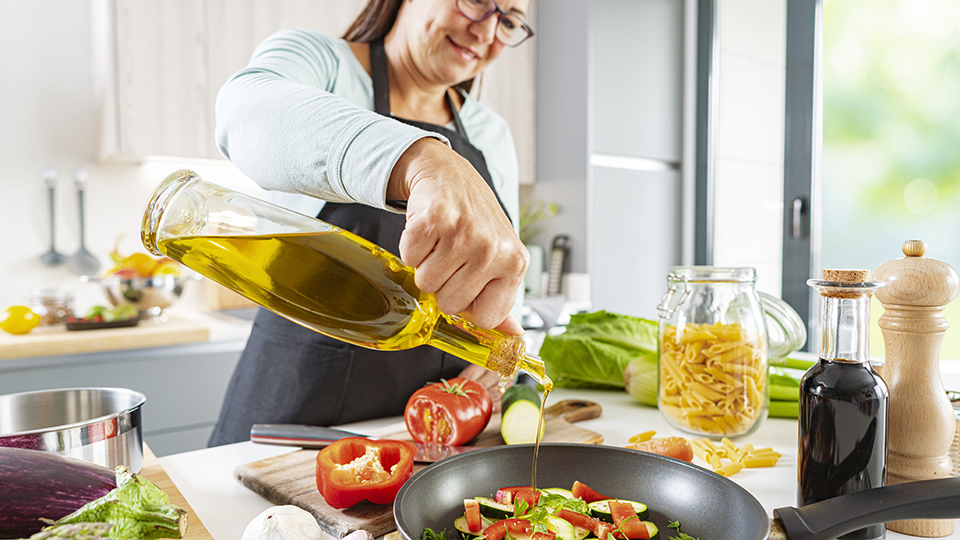
There is no single “perfect” time, but research and tradition suggest:
-
Morning: for digestion and bowel health
-
With main meals: for heart health and nutrient absorption
-
Evening: small amounts are acceptable, but avoid excess close to bedtime
Consistency matters more than timing.
Possible Side Effects and Precautions
While extra virgin olive oil is safe for most people, moderation is essential. Potential side effects:
-
Weight gain occurs if consumed excessively
-
Mild digestive upset in sensitive individuals
-
Allergic reactions, though rare
People with gallbladder issues should consult a healthcare provider before high intake.
Ramadan Fasting: Health Benefits, Side Effects & How To Perform It
Bottom Line
Extra virgin olive oil is far more than a cooking ingredient. It is a nutritionally dense, scientifically supported, and spiritually significant food with wide-ranging benefits for heart health, brain function, digestion, skin, and overall longevity. When used consistently and in moderation, it supports both physical wellness and Sunnah-aligned living.
For expert advice, consult a PMDC-verified nutritionist near you in Pakistan through Apka Muaalij, Pakistan’s leading digital healthcare platform. Call 042-32377001 to book an online video consultation and receive trusted medical guidance from home.
Frequently Asked Questions (FAQs)
Is extra virgin olive oil safe for daily use?
Yes, daily consumption in moderate amounts is considered safe and beneficial for most people.
How much extra virgin olive oil should I consume daily?
One to two tablespoons per day is commonly recommended in research studies.
Can olive oil be used for frying?
It is suitable for low to medium heat cooking, but not deep frying.
Does olive oil expire?
Yes, it typically lasts 18 to 24 months when stored properly.
Is olive oil good for children?
Yes, in small amounts, it supports healthy growth and digestion.
Can olive oil help with constipation?
Yes, it can help stimulate bowel movement when taken on an empty stomach.
Is extra virgin olive oil good for diabetics?
Yes, it helps improve insulin sensitivity and blood sugar control.
Can olive oil reduce cholesterol?
Yes, it lowers LDL cholesterol while supporting HDL levels.
Is olive oil good for hair fall?
It can reduce dryness and breakage, which may help with hair fall.
Can olive oil be used on the face?
Yes, it moisturizes and protects the skin barrier.
Is olive oil mentioned in the Quran?
Yes, it is mentioned as a blessed substance in Surah An-Nur.
Does olive oil help with weight loss?
It supports satiety but must be used in moderation.
Can olive oil improve memory?
Research suggests it may support cognitive function.
Is olive oil halal?
Yes, it is completely halal and permissible.
Can olive oil be taken on an empty stomach?
Yes, many people use it this way for digestive benefits.
Disclaimer: This article is for educational and informational purposes only and does not replace professional medical advice. Always consult a qualified healthcare provider before making significant dietary or therapeutic changes, especially if you have existing medical conditions or are taking medication.

Find & Book the best "Nutritionist" near you
Book Appointment
Ifra Sarwar
Dr. Ifra Sarwar is a highly experienced specialist based in Lahore, Pakistan with over several years of clinical expertise. Specializing in evidence-based and patient-centered care, they provides advanced treatment tailored to individual needs. Currently available on Apka Muaalij, appointments can be booked at 042-32377001.