

17 Powerful Virtues & Benefits Of Reciting Surah Ad-Duha

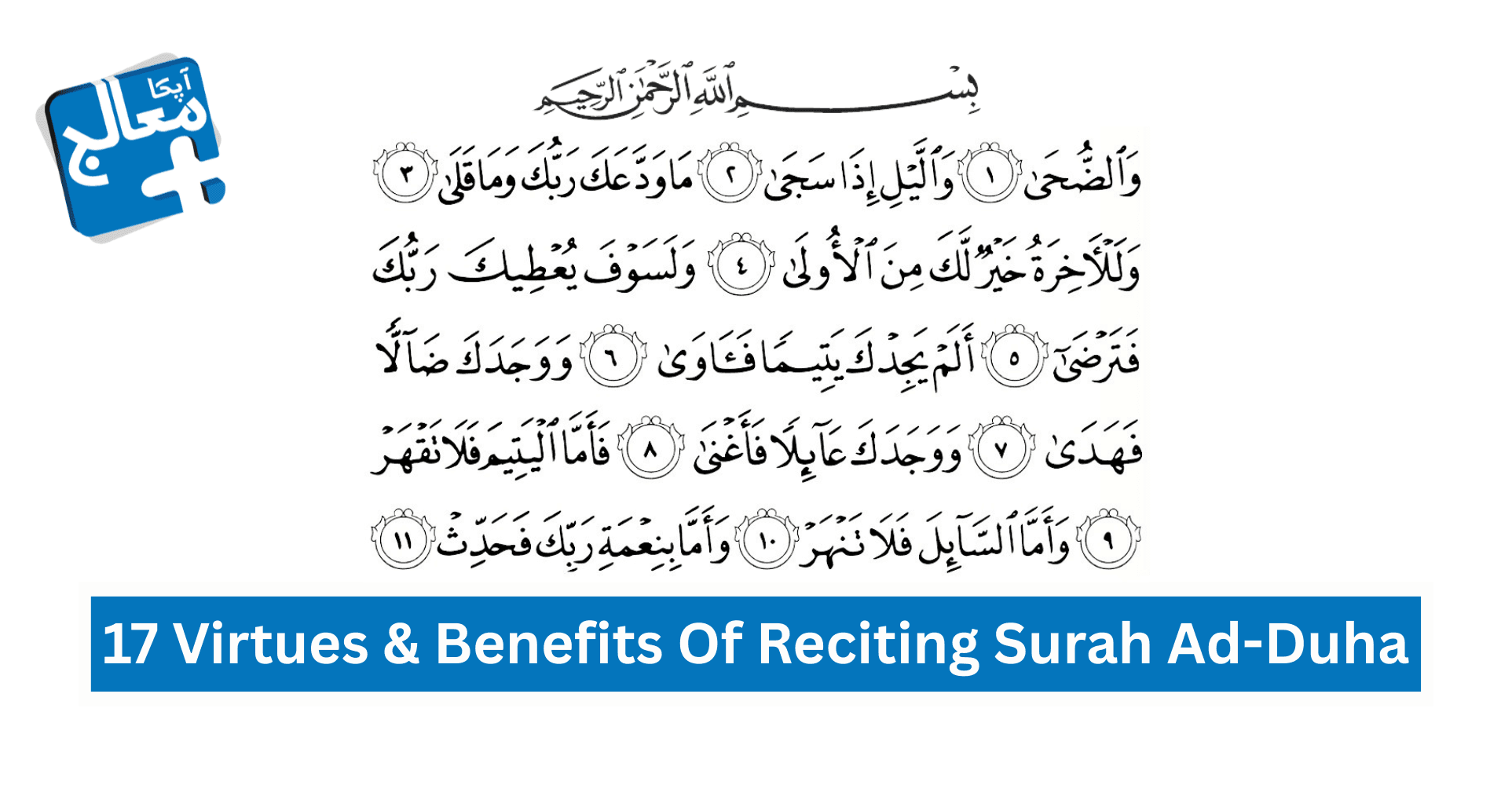
There are moments in life when faith feels distant, motivation fades, and uncertainty clouds the heart. In such seasons, many believers turn to the Qur’an not only for guidance but for emotional restoration. Among its chapters, Surah Ad-Duha holds a uniquely comforting place. Revealed during a period when the Prophet Muhammad ﷺ experienced a pause in revelation, this surah reassured him that he had not been abandoned.
For Muslims navigating stress, grief, or self-doubt, this chapter offers reassurance, spiritual clarity, and psychological relief. Its verses address abandonment anxiety, gratitude, resilience, and compassionate action. This guide explores 17 powerful virtues and benefits of reciting Surah Ad-Duha, supported by Qur’anic context, Prophetic teachings, and insights from modern psychology and wellbeing research.
By the end, you will understand not only the spiritual rewards but also the emotional and behavioral transformations this short yet profound chapter can inspire.
Key Takeaways
-
Surah Ad-Duha offers reassurance, hope, and emotional healing through divine guidance.
-
Its teachings align with modern psychological principles like gratitude, resilience, and compassion.
-
Reciting and reflecting on it encourages ethical action, charity, and social responsibility.
-
The surah supports mental well-being by reducing anxiety and fostering optimism.
-
Daily recitation can serve as a spiritual reset that strengthens faith and purpose.
What Is Surah Ad-Duha?
Surah Ad-Duha is the 93rd chapter of the Qur’an, consisting of 11 verses. It was revealed in Makkah and centers on themes of divine reassurance, gratitude, care for the vulnerable, and trust in God’s plan.
Core Themes
-
Divine reassurance during hardship
-
Reflection on past blessings
-
Hope for the future
-
Social responsibility toward the needy
-
Emotional resilience through faith
Context of Revelation
According to classical scholars such as Ibn Kathir, this surah was revealed after a temporary pause in revelation, during which critics claimed the Prophet had been forsaken. The opening oath by the morning light counters this claim and restores confidence.
Why Reciting Surah Ad-Duha Matters Today
Modern life presents psychological pressures that mirror the emotional themes addressed in the surah. Research from institutions like the World Health Organization shows rising global anxiety and depression rates. Spiritual coping strategies, including prayer and scripture recitation, are increasingly recognized as supportive tools for mental resilience.
Surah Ad-Duha directly addresses:
-
Feelings of abandonment
-
Loss of purpose
-
Anxiety about the future
-
Social disconnection
-
Moral responsibility
Its message aligns with principles of positive psychology, such as gratitude, meaning-making, and compassionate action.
17 Powerful Virtues & Benefits of Reciting Surah Ad-Duha
1. Reassurance Against Feelings of Abandonment
The opening verses affirm that God has neither forsaken nor disliked His servant. This message helps counter emotional isolation and spiritual doubt.
Psychological insight: Reframing negative beliefs is a core method in cognitive behavioral therapy. The surah provides a spiritual form of cognitive reframing.
2. Restoration of Hope During Difficult Times
The promise that “the future will be better than the past” fosters optimism. This aligns with resilience research from Harvard Medical School, which links hope to improved stress coping.
Benefit: Encourages forward-looking faith and perseverance.
3. Strengthening Trust in Divine Wisdom
Recitation reminds believers that hardships are part of a larger plan. Trust reduces anxiety caused by uncertainty.
Spiritual outcome: Increased tawakkul, or reliance on God.
4. Cultivating Gratitude Through Reflection
The surah invites reflection on past blessings, including shelter, guidance, and provision.
Scientific perspective: Studies cited by the National Institutes of Health show gratitude practices improve mental well-being and life satisfaction.
5. Emotional Healing After Loss or Trauma
By acknowledging past vulnerability and divine care, the surah helps process grief.
Real-world application: Many counselors encourage faith-based reflection to help trauma survivors rebuild meaning.
6. Encouragement to Care for Orphans and the Vulnerable
The command not to oppress orphans promotes social justice and compassion.
Ethical benefit: Builds empathy and community responsibility.
7. Promotes Generosity Toward Those in Need
The instruction to assist those who ask reinforces charitable behavior.
Societal impact: Communities with strong charitable norms demonstrate higher social cohesion.
8. Strengthening Moral Accountability
Recitation reminds believers that blessings come with responsibility.
Outcome: Encourages ethical living and integrity.
9. Reducing Anxiety Through Rhythmic Recitation
Qur’anic recitation has a calming effect due to rhythm and repetition.
Research in spiritual health contexts, including work referenced by the Cleveland Clinic, suggests rhythmic breathing and recitation can lower stress responses.
10. Enhancing Mindfulness and Presence
Focused recitation encourages awareness of each verse’s meaning.
Benefit: Similar to mindfulness practices, it reduces rumination and promotes calm.
11. Reinforcing a Growth Mindset
The surah emphasizes transformation from hardship to ease.
Parallel concept: Growth mindset theory highlights resilience through challenges.
12. Strengthening Faith During Spiritual Dryness
Periods of spiritual emptiness are common. This surah reassures believers that such phases are temporary.
Spiritual effect: Renewed motivation in worship.
13. Encouraging Positive Self-Worth
By reminding believers of divine care, the surah counters feelings of worthlessness.
Mental health benefit: Supports self-esteem and purpose.
14. Promoting Compassionate Leadership
The Prophet’s experience, reflected in the surah, models empathy and care for others.
Application: Leaders guided by compassion build trust and loyalty.
15. Aligning Actions With Gratitude
The final verse encourages proclaiming blessings through action.
Practical result: Gratitude becomes behavior, not just emotion.
16. Deepening Connection With the Qur’an
Regular recitation fosters familiarity and emotional attachment to the Qur’an.
Spiritual outcome: Increased consistency in worship.
17. Providing Daily Spiritual Reset
Reciting Surah Ad-Duha in morning prayers can set a tone of hope and purpose.
Lifestyle benefit: Establishes a positive mental framework for the day.
How to Incorporate Surah Ad-Duha Into Daily Life
Step-by-Step Practice
-
Recite in morning prayer to align with the surah’s theme of dawn and renewal.
-
Reflect on one verse daily and apply its message.
-
Pair recitation with gratitude journaling to reinforce reflection.
-
Engage in charity as a direct response to its teachings.
-
Teach its meaning to children to instill empathy early.
Spiritual vs Psychological Benefits: A Comparative View
|
Dimension |
Spiritual Impact |
Psychological Impact |
|
Reassurance |
Trust in God |
Reduced anxiety |
|
Gratitude |
Thankfulness to Allah |
Improved wellbeing |
|
Charity |
Moral duty |
Social connection |
|
Reflection |
Increased faith |
Emotional regulation |
|
Hope |
Reliance on divine promise |
Resilience |
Common Misconceptions About Surah Ad-Duha
Misconception 1: It is only for times of sadness
Reality: It is a daily reminder of gratitude and responsibility.
Misconception 2: Recitation alone brings change
Reality: Transformation comes through reflection and action.
Misconception 3: It is primarily historical
Reality: Its themes address timeless human struggles.
Need Healthcare Assistance?
For professional guidance on combining spiritual well-being with modern healthcare, visit Apka Muaalij, Pakistan’s no.1 telehealth platform, or consult a top Muslim psychologist near you. Their experts can guide you toward overall health and spiritual balance, right from your home.
Frequently Asked Questions (FAQs)
What is the main message of Surah Ad-Duha?
Surah Ad-Duha reassures believers that God does not abandon them during hardship. It emphasizes gratitude, care for the vulnerable, and trust in divine wisdom. Its message encourages hope, reflection on blessings, and ethical responsibility toward others.
When is the best time to recite Surah Ad-Duha?
Many scholars recommend reciting it in the morning or during the Duha prayer because its theme centers on the morning light and renewal. However, it can be recited anytime for reflection, comfort, and spiritual grounding.
Can Surah Ad-Duha help with anxiety and stress?
Yes. Its message of reassurance and hope can reduce anxiety by reframing negative thoughts. Rhythmic recitation also promotes calm breathing, which can lower stress responses and support emotional regulation.
Is there a specific reward mentioned for reciting Surah Ad-Duha?
While no specific hadith assigns a unique reward, reciting any part of the Qur’an brings spiritual merit. The surah’s deeper reward lies in its transformative impact on gratitude, compassion, and faith.
Why was Surah Ad-Duha revealed?
It was revealed during a pause in revelation when critics claimed the Prophet Muhammad ﷺ had been abandoned. The surah reassured him and affirmed that divine care and future blessings remained.
How does Surah Ad-Duha promote social responsibility?
It commands kindness to orphans and generosity toward those who ask for help. These teachings foster empathy, community support, and ethical conduct in society.
Can children benefit from learning Surah Ad-Duha?
Yes. Its simple language and powerful lessons about kindness and gratitude make it ideal for teaching children empathy, resilience, and faith-based values from an early age.
How does Surah Ad-Duha relate to gratitude practices?
The surah encourages reflecting on past blessings and expressing gratitude through action. This aligns with psychological research showing that gratitude improves well-being and strengthens relationships.
Is Surah Ad-Duha suitable for daily reflection?
Absolutely. Its concise verses make it ideal for daily contemplation. Reflecting on one verse each day can deepen understanding and encourage consistent spiritual growth.
What makes Surah Ad-Duha unique among Qur’anic chapters?
Its deeply personal tone, reassurance during emotional hardship, and emphasis on compassionate action distinguish it. It bridges spiritual comfort with ethical responsibility, making it profoundly relevant in modern life.
Disclaimer: This article provides educational and spiritual insights based on Islamic teachings and general psychological research. It is not a substitute for professional mental health care. Individuals experiencing severe anxiety, depression, or trauma should consult qualified healthcare providers or licensed counselors for appropriate support.

Find & Book the best "Muslim Psychologist" near you
Book Appointment