

Omega-3 Fatty Acid: 21 Science-Based Benefits, Uses, Sources & Prices
Omega-3 fatty acids are essential fats that your body cannot produce on its own. They are vital for heart health, brain function, inflammation control, and overall well-being. With rising lifestyle-related diseases, incorporating omega-3s into your diet has never been more critical. This article explores 21 science-based benefits, sources, uses, and prices of omega-3 fatty acids in Pakistan.
Also read: "16 Hidden Health Benefits Of Vitamin E, Uses, Sources, & Dosage"
What Are Omega-3 Fatty Acids?
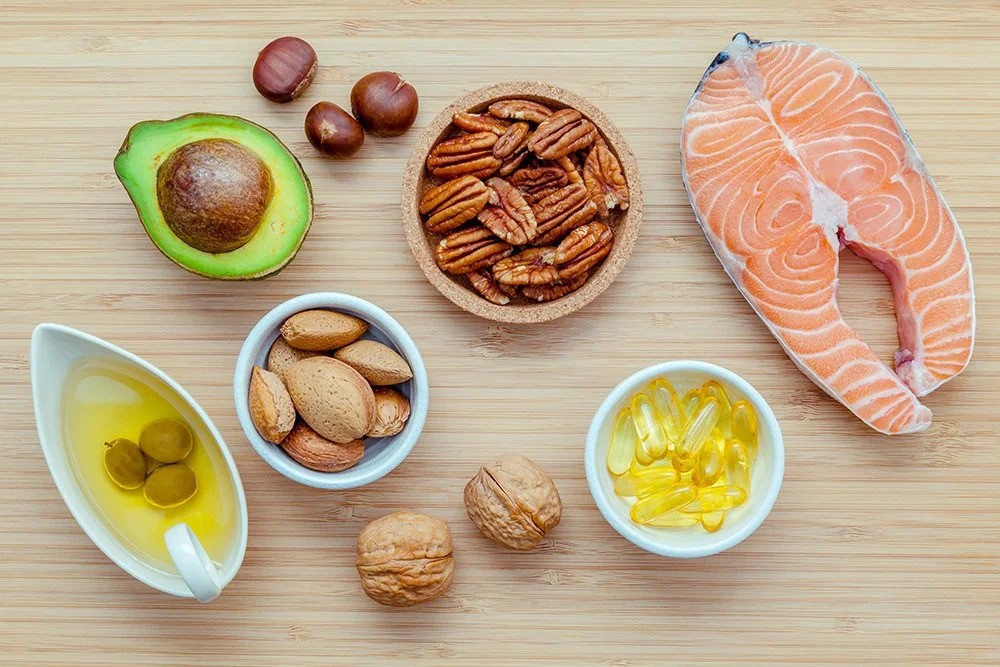
Omega-3 fatty acids are polyunsaturated fats classified into three main types:
|
Type |
Source |
Benefits |
|
ALA (Alpha-Linolenic Acid) |
Flaxseeds, chia seeds, walnuts |
Supports heart health, anti-inflammatory |
|
EPA (Eicosapentaenoic Acid) |
Fatty fish (salmon, sardines), fish oil |
Reduces inflammation, improves mental health |
|
DHA (Docosahexaenoic Acid) |
Fish, algae |
Brain development, eye health, pregnancy support |
These fats play a critical role in cellular health, reducing cardiovascular risks, and enhancing brain function, making them indispensable for all age groups.
Why Omega-3 is Important for Health
Despite the availability of modern diets, omega-3 deficiency is common in Pakistan, especially among urban populations, due to low fish consumption and high processed food intake. Deficiency can lead to:
-
Fatigue and low energy
-
Poor heart health
-
Joint inflammation
-
Cognitive decline
-
Mood disorders
Doctors often recommend omega-3 supplementation when dietary intake is insufficient, particularly in high-risk groups like pregnant women, children, and heart patients.
Read: "Top 27 Health Benefits Of Eating Grapes, Nutrition Facts & Best Time To Eat"
21 Science-Based Benefits of Omega-3 Fatty Acids for Health

1. Supports Heart Health
Omega-3s reduce triglycerides, improve cholesterol levels, and reduce the risk of heart attacks and strokes. According to a 2020 study in the American Heart Journal, daily EPA and DHA intake lowers cardiovascular events by up to 30% in at-risk individuals.
2. Enhances Brain Function
DHA is a major structural component of the brain. Supplementing omega-3s improves memory, learning, and cognitive function, especially in aging adults.
3. Reduces Inflammation
Omega-3s regulate inflammatory markers, helping in conditions like arthritis, asthma, and inflammatory bowel disease.
4. Improves Eye Health
DHA supports retinal function. Adequate omega-3 intake may reduce the risk of age-related macular degeneration (AMD).
5. Supports Pregnancy and Infant Development
Omega-3s contribute to fetal brain and eye development, reduce preterm birth risk, and support maternal mental health.
6. Promotes Mental Health
Studies link omega-3 deficiency to depression, anxiety, and mood disorders. Regular intake of EPA-rich omega-3s has been shown to improve depression symptoms (Harvard Health, 2021).
7. Supports Weight Management
Omega-3s improve metabolic function, increase fat oxidation, and reduce belly fat in overweight individuals.
Also read: "17 Hidden Health Benefits Of Cloves For Men & Women | Complete Guide"
8. Enhances Skin Health
Omega-3 fatty acids maintain skin hydration and elasticity and reduce inflammation from acne or eczema.
9. Reduces Menstrual Pain
EPA-rich omega-3s reduce prostaglandin production, which helps alleviate menstrual cramps.
10. Promotes Bone Health
Omega-3s support calcium absorption and bone mineral density, lowering the risk of osteoporosis.
11. Boosts Immune System
Omega-3s regulate immune responses and reduce chronic inflammation, supporting better resistance against infections.
12. Supports Liver Health
They help prevent non-alcoholic fatty liver disease (NAFLD) by reducing liver fat and improving liver enzyme levels.
13. Improves Joint Health
EPA and DHA decrease stiffness and pain in rheumatoid arthritis and other joint conditions.
14. Enhances Exercise Performance
Omega-3 supplementation improves oxygen delivery, muscle recovery, and endurance, according to a 2018 Journal of Sports Medicine study.
Read: "20 Surprising Health Benefits Of Apple Cider Vinegar For Men & Women"
15. May Reduce Cancer Risk
Some studies indicate omega-3s may reduce breast, prostate, and colon cancer risks by modulating inflammation and cell proliferation.
16. Improves Lung Health
Omega-3s reduce inflammatory cytokines in asthma, improving lung function.
17. Supports Hair Health
Omega-3 fatty acids nourish hair follicles, improving growth and preventing dryness.
18. Enhances Sleep Quality
Research shows omega-3 supplementation, especially DHA, improves sleep duration and quality in adults and children.
19. Supports Kidney Health
Omega-3s reduce inflammation in kidney tissues and improve renal function in chronic kidney disease (CKD) patients.
20. Reduces Anxiety
EPA-rich omega-3s have shown effectiveness in reducing anxiety symptoms in multiple clinical trials.
21. Anti-Aging Effects
By protecting against oxidative stress and inflammation, omega-3s contribute to slower aging of skin, brain, and joints.
Read: "12 Incredible Health Benefits of Eating Sweet Potatoes | Complete Guide"
Top Sources of Omega-3 Fatty Acids
|
Source |
Type of Omega-3 |
Recommended Intake |
|
Salmon |
EPA, DHA |
2–3 servings/week |
|
Sardines |
EPA, DHA |
1–2 servings/week |
|
Mackerel |
EPA, DHA |
1 serving/week |
|
Flaxseeds |
ALA |
1–2 tbsp/day |
|
Chia Seeds |
ALA |
1–2 tbsp/day |
|
Walnuts |
ALA |
30g/day |
|
Algae Oil |
DHA |
250–500 mg/day |
|
Eggs (omega-3 enriched) |
EPA, DHA |
1–2 eggs/day |
💡Pro Tip: Plant-based sources provide ALA, which needs to be converted to EPA and DHA in the body. Fish and algae sources are more bioavailable.
Omega-3 Supplements in Pakistan
|
Brand |
Form |
Price Range (PKR) |
Notes |
|
Seven Seas |
Fish Oil Capsules |
2,500–3,500 |
High EPA & DHA content |
|
Solgar |
Omega-3 |
3,000–4,500 |
Certified purity |
|
Nature’s Bounty |
Fish Oil |
2,800–4,200 |
Enteric-coated, reduces fishy aftertaste |
|
NutraBay |
Omega-3 Softgel |
2,000–3,200 |
Affordable and locally available |
|
Now Foods |
Omega-3 |
3,500–4,800 |
Trusted international brand |
|
Sundown Naturals |
Fish Oil |
2,200–3,500 |
Good balance of EPA & DHA |
💡Tip: Always consult your doctor before starting a supplement, especially if you have heart, kidney, or liver conditions.
Also, go through: "Magnesium Glycinate: Benefits, Uses, Side Effects, Sources & More"
How to Use Omega-3 Fatty Acids for Best Results
-
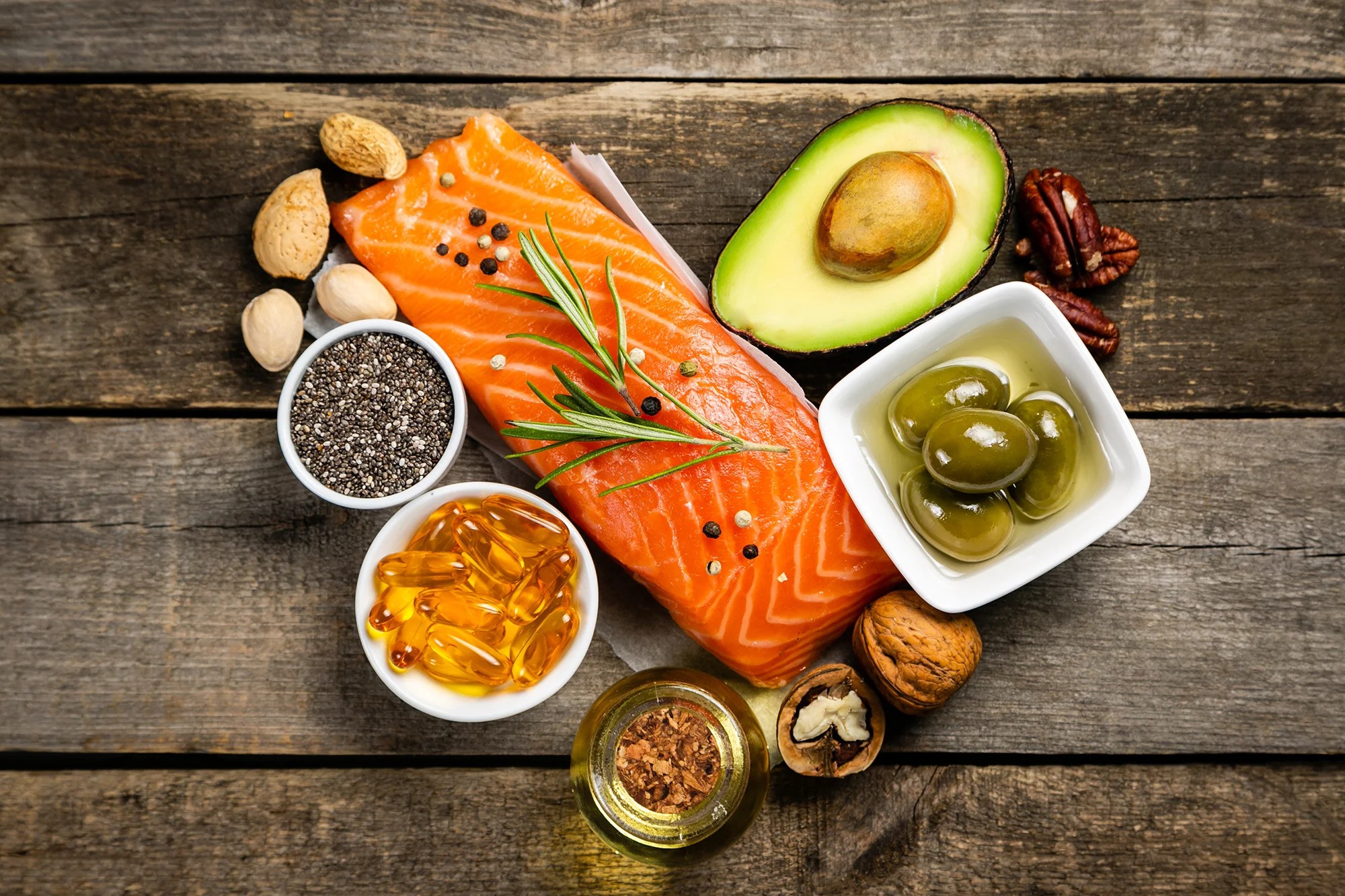
Diet First: Prioritize fish, flaxseeds, chia seeds, and walnuts.
-
Supplement Wisely: If the diet is insufficient, use fish oil or algae oil capsules.
-
Take with Meals: Fat enhances absorption.
-
Dosage Matters: Typical adult dosage is 250–500 mg of combined EPA & DHA daily.
-
Consistency: Daily intake for 3–6 months shows measurable health benefits.
Omega-3 Deficiency in Pakistan
A 2022 Pakistan Journal of Nutrition study reported:
-
Urban adults: 65% had inadequate omega-3 intake
-
Rural adults: 52% had insufficient intake
-
Children & adolescents: Over 50% had diets deficient in DHA
Causes include low fish consumption, high fried-food intake, and limited omega-3-enriched foods.
Also read: "کلونجی کے ۱۳ حیران کن فوائد | استعمال، نقصانات اور کھانے کا بہترین وقت"
Side Effects and Precautions
Omega-3 supplements are generally safe, but some precautions include:
-
Mild side effects: Fishy aftertaste, indigestion, loose stools
-
High doses (>3g/day): May increase bleeding risk
-
Interactions: Blood thinners, diabetes medications
-
Medical conditions: Consult a doctor if you have kidney, liver, or heart issues
Read: "How Vitamin D Deficiency Affects Children - Signs, Causes, & Treatment"
Bottom Line
Omega-3 fatty acids are vital for heart, brain, joint, and overall health. With rising rates of chronic diseases in Pakistan, ensuring adequate intake through diet and supplements is crucial. Fatty fish, flaxseeds, chia seeds, and walnuts are excellent sources, while high-quality supplements can fill gaps. Daily intake, consistency, and doctor guidance ensure maximum benefits.
For personalized dietary-related guidance, consult the best general physician or nutritionists near you through Apka Muaalij, Pakistan’s leading digital healthcare platform. Call 042-32377001 to book an online video consultation and receive trusted medical advice from the comfort of your home.
Frequently Asked Questions (FAQs)
What is the best source of omega-3?
Fatty fish like salmon, sardines, and mackerel provide the most bioavailable omega-3s (EPA & DHA). Plant sources provide ALA, which must convert to EPA/DHA.
Can omega-3 help with heart health?
Yes. Clinical studies show EPA and DHA reduce triglycerides, lower blood pressure, and decrease the risk of heart attacks.
Is omega-3 safe during pregnancy?
Yes, DHA-rich omega-3 supports fetal brain and eye development. Always consult your doctor before supplementation.
How much omega-3 should I take daily?
Adults: 250–500 mg combined EPA & DHA daily. Higher doses may be recommended for heart disease under medical supervision.
Can omega-3 reduce depression and anxiety?
EPA-rich omega-3 supplements have been shown to reduce depressive symptoms in clinical trials.
Are there vegetarian sources of omega-3?
Yes. Flaxseeds, chia seeds, walnuts, and algae oil are excellent vegetarian sources.
Can omega-3 improve skin and hair?
Yes. Omega-3 reduces inflammation, promotes hydration, and supports hair follicle health.
What foods in Pakistan are rich in omega-3?
Fatty fish (mackerel, sardines), flaxseeds, walnuts, chia seeds, eggs (omega-3 enriched).
Does omega-3 help in weight management?
Yes. Omega-3 improves metabolic rate and fat oxidation and reduces belly fat in overweight individuals.
Can omega-3 prevent cognitive decline?
DHA supports brain structure and function. Adequate intake may reduce age-related cognitive decline.
How long before omega-3 shows benefits?
Dietary or supplement intake may show effects in 3–6 months, depending on the health condition.
Is fish oil better than algae oil?
Fish oil provides EPA & DHA directly; algae oil is plant-based, ideal for vegetarians and vegans, and also provides DHA.
Disclaimer: This content is for educational purposes only. It is not medical advice. Consult a licensed healthcare professional before starting any omega-3 supplements, especially if you are pregnant, breastfeeding, taking medications, or have pre-existing medical conditions.

Find & Book the best "General Physician" near you
Book Appointment
Dr. Bisma Shehzadi
Dr. Dr. Bisma Shehzadi is a highly experienced specialist based in Lahore, Pakistan with over several years of clinical expertise. Specializing in evidence-based and patient-centered care, they provides advanced treatment tailored to individual needs. Currently available on Apka Muaalij, appointments can be booked at 042-32377001.