

Why Is My Period Late? 21 Possible Reasons For A Delayed Period
A delayed period can trigger worry, confusion, and a flood of questions, especially when your cycle is usually predictable. For many women, menstruation is not only a biological rhythm but also closely tied to emotional well-being and fertility planning. Understanding why a period is late helps reduce unnecessary anxiety and supports better health decisions.
This blog explains 21 medically recognized reasons for a delayed period, supported by clinical research and expert insight. Let's dive in to explore it
"PCOS (Polycystic Ovary Syndrome) کیا ہے؟: علامات، وجوہات، علاج اور اسلامی رہنمائی" :Also read
What is a Normal Menstrual Cycle?
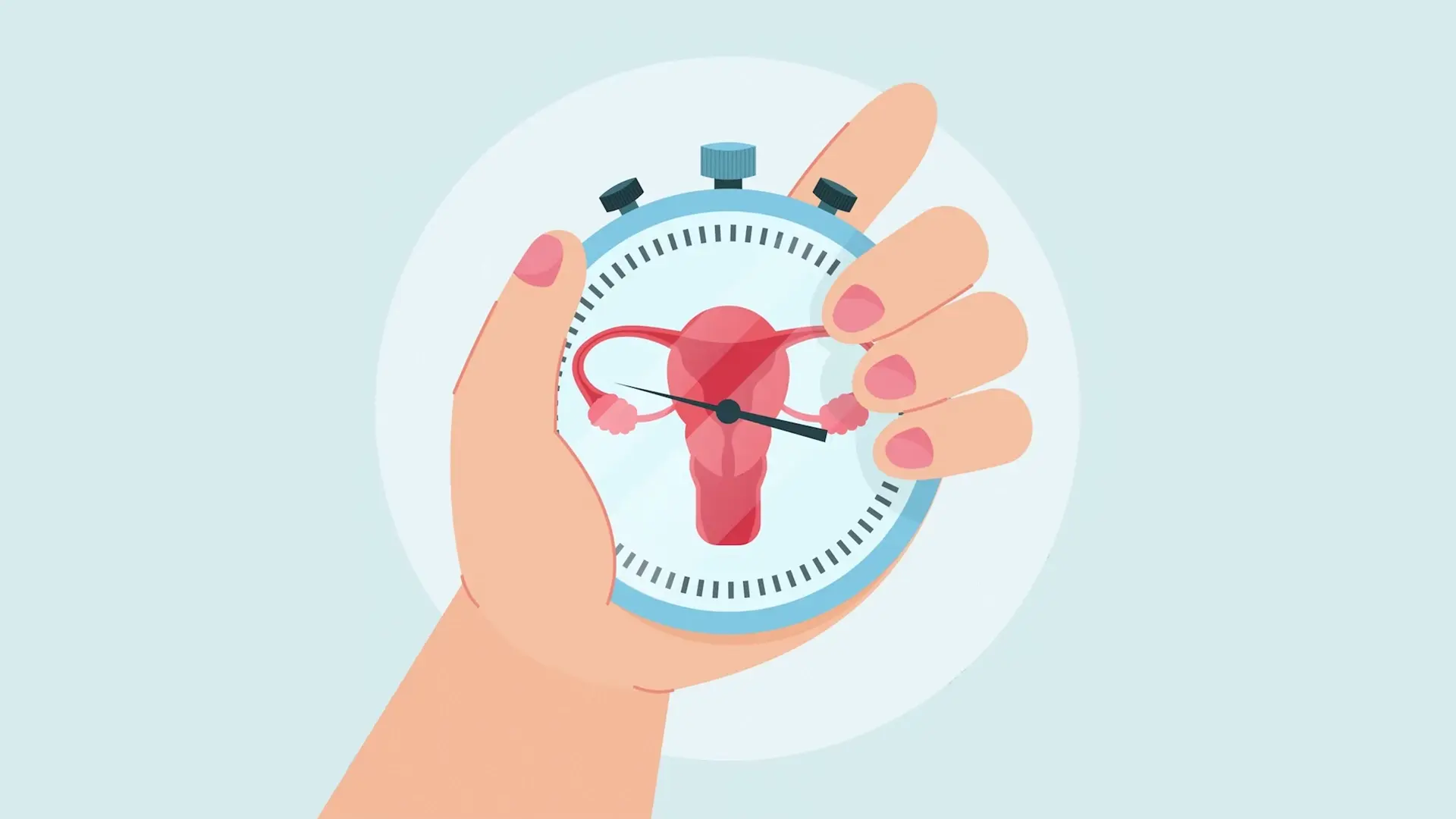
A “normal” menstrual cycle typically ranges from 21 to 35 days in adults, and 21 to 45 days in adolescents. Occasional variation of a few days is common and usually harmless.
According to the American College of Obstetricians and Gynecologists (ACOG), a period is considered late if it does not occur within five days of the expected date in someone with a regular cycle.
Hormones such as estrogen, progesterone, follicle-stimulating hormone, and luteinizing hormone work together in a delicate balance. Even small disruptions can delay ovulation, which directly delays menstruation.
Also read: "What Is IVF Treatment? Process, Cost & Success Rate (2026 Guide)"
21 Possible Reasons Why Your Period Is Late
1. Pregnancy
Pregnancy is the most common reason for a missed or late period in women of reproductive age. Implantation triggers hormonal changes that stop the menstrual cycle.
Dr. Mary Jane Minkin, Clinical Professor at Yale University School of Medicine, states that “a missed period is often the first and earliest sign of pregnancy, even before nausea or fatigue.”
2. Stress and Emotional Strain
Psychological stress affects the hypothalamus, the part of the brain that regulates reproductive hormones. Exams, family pressures, grief, or prolonged anxiety can delay ovulation.
A study in Human Reproduction confirmed that high stress levels are associated with irregular and delayed cycles.
3. Sudden Weight Loss or Gain
Rapid changes in body weight disrupt estrogen levels. Extremely low body fat can stop ovulation altogether, while sudden weight gain can increase estrogen and confuse the cycle.
4. Polycystic Ovary Syndrome (PCOS)
PCOS is a leading cause of irregular or absent periods. It is characterized by hormonal imbalance, insulin resistance, and cysts on the ovaries.
According to the World Health Organization, PCOS affects up to 10 percent of women globally.
5. Thyroid Disorders
Both hypothyroidism and hyperthyroidism can interfere with menstrual regularity. The thyroid gland influences metabolism and reproductive hormones.
The Mayo Clinic notes that menstrual disturbances are often one of the earliest signs of thyroid imbalance.
6. Excessive Physical Exercise
Intense physical activity, especially without adequate nutrition, can suppress ovulation. This is common among athletes and those engaging in extreme fitness routines.
7. Breastfeeding
Prolactin, the hormone responsible for milk production, suppresses ovulation. Many women do not menstruate regularly while breastfeeding, especially in the first six months.
Also, go through: "12 Powerful Benefits Of Pomegranate For Pregnant Women & Baby"
8. Perimenopause
In women over 40, hormonal fluctuations before menopause can cause delayed, lighter, or skipped periods. This transition phase can last several years.
9. Hormonal Birth Control
Starting, stopping, or missing doses of hormonal contraceptives often causes cycle irregularities. The body may take several months to reset.
10. Emergency Contraception
Morning-after pills contain high doses of hormones that can delay or advance the next period by a week or more.
11. Chronic Illness
Conditions such as diabetes, celiac disease, and autoimmune disorders can disrupt menstrual cycles due to systemic stress and inflammation.
12. Poor Sleep Patterns
Irregular sleep schedules, night shifts, and chronic sleep deprivation affect cortisol and melatonin, which indirectly influence reproductive hormones.
13. Traveling and Time Zone Changes
Long-distance travel disrupts circadian rhythms, which can temporarily delay ovulation and menstruation.
14. Certain Medications
Antidepressants, antipsychotics, chemotherapy drugs, and steroids may interfere with hormone regulation.
Also read: "10 Fascinating Shilajit Benefits For Women – Health, Energy & Hormonal Balance"
15. Pelvic Inflammatory Disease (PID)
PID is an infection of the reproductive organs that can cause irregular bleeding, delayed periods, and pelvic pain.
16. Uterine Fibroids
These noncancerous growths can alter menstrual flow and timing, sometimes causing delayed or prolonged cycles.
17. Ovarian Cysts
Functional ovarian cysts may interfere with ovulation, leading to a late period.
18. Eating Disorders
Anorexia and bulimia severely disrupt hormonal balance. Amenorrhea, the absence of periods, is a recognized complication.
19. Recent Illness or Infection
Even short-term illnesses like the flu or COVID-19 can delay a period due to temporary immune and hormonal stress.
20. High Prolactin Levels
Elevated prolactin, not related to breastfeeding, can suppress ovulation. This may be caused by pituitary disorders or medications.
21. Natural Cycle Variability
Occasional late periods happen even in healthy women. One irregular cycle per year is generally considered normal.
Also read: "Menstrual Disorders After Miscarriage: Signs, Causes, & Treatment"
Common Causes and Their Typical Impact
|
Cause |
Typical Delay |
Medical Attention Needed |
|
Stress |
A few days to weeks |
If persistent |
|
Pregnancy |
Missed period |
Yes |
|
PCOS |
Weeks to months |
Yes |
|
Travel |
Few days |
No |
|
Illness |
One cycle |
If recurring |
When Should You Worry About a Late Period?

Seek medical advice if:
-
Your period is late by more than two weeks, and pregnancy has been ruled out
-
You miss three consecutive periods
-
You experience severe pain, abnormal discharge, or heavy bleeding
-
Period irregularity is sudden and persistent
Also read: "Top 17 Strange Early Pregnancy Symptoms You Should Know"
Bottom Line
A late period is not always a cause for alarm, but it is a signal worth understanding. Hormones respond to physical health, emotional balance, and lifestyle choices. By recognizing the possible reasons, women can approach their health with clarity, confidence, and appropriate action.
If you want to learn more about your women's health, you can consult one of Pakistan’s top gynecologists near you by visiting www.apkamuaalij.com. For a quick consultation, dial 0423-2377001 and book your doctor's appointment through Apka Muaalij, the best telehealth platform in Pakistan.
Frequently Asked Questions (FAQs)
Can stress alone delay a period?
Yes. Stress can delay ovulation, which automatically delays menstruation.
How late can a period be before pregnancy is likely?
If your period is more than five to seven days late, pregnancy should be considered.
Is it normal for periods to be late occasionally?
Yes. An occasional late cycle can happen even in healthy women.
Can fasting affect my menstrual cycle?
Short-term fasting usually does not, but prolonged calorie restriction may delay periods.
Does PCOS always cause missed periods?
Not always, but irregular or delayed cycles are a common symptom.
Can thyroid problems cause late periods?
Yes. Both overactive and underactive thyroid conditions affect menstruation.
Can COVID-19 delay periods?
Yes. Studies have shown temporary menstrual changes after illness or vaccination.
How long can stress delay ovulation?
Stress can delay ovulation by days or weeks, depending on severity.
Can exercise make my period late?
Excessive or intense exercise without proper nutrition can delay periods.
Should I take a pregnancy test if my period is late?
Yes. Take a test if your period is more than five days late.
Can poor sleep affect my period?
Yes. Chronic sleep disruption can interfere with hormonal regulation.
Is a late period a sign of infertility?
Not necessarily. Many causes are temporary and treatable.
Can medications delay periods?
Yes. Some psychiatric and hormonal medications affect cycles.
When should I see a doctor?
If periods are consistently late, absent, or accompanied by other symptoms.
Disclaimer: This article is for educational purposes only and does not replace professional medical advice, diagnosis, or treatment. Always consult a qualified healthcare provider regarding menstrual concerns.

Find & Book the best "Gynecologist" near you
Book Appointment
Dr. Bisma Shehzadi
Dr. Dr. Bisma Shehzadi is a highly experienced specialist based in Lahore, Pakistan with over several years of clinical expertise. Specializing in evidence-based and patient-centered care, they provides advanced treatment tailored to individual needs. Currently available on Apka Muaalij, appointments can be booked at 042-32377001.