

26 Best Healthy Foods to Lose Weight Fast Naturally
Losing weight is a journey that takes a balanced approach- an amalgamation of good eating habits, regular exercise, and a conscious lifestyle. It is indeed a challenge for anybody, but it can be made fun and worthwhile by adding healthy foods to your diet. Here is a guide toward helping you achieve weight loss in a way that suits you best.
Let's dive in to explore all the answers to your questions related to losing weight fast, naturally, and permanently.
Also read: "27 Magnesium-Rich Foods That Are Healthy For Men & Women"
Why Is My Weight Not Losing?

Have you found yourself on a plateau in weight loss? There could be many reasons:
- Eating Hidden Calories: Small snacks or sweet beverages may not be counted in the final total calorie count for your day, but will add up quickly.
-
Consistency in Exercise: When your workout isn't consistent, you don't lose weight.
-
Sleep Deprivation: A major disruptor of the hormones regulating hunger and satiety is inadequate sleep.
-
Stress Eating: Cortisol production rises during stress, causing abdominal fat deposition.
How to Lose Weight Fast, Naturally, and Permanently?
For natural methods of weight loss that tend to be more sustainable, consider the following:
-
Eat Whole Foods: Natural fruits, vegetables, whole grains, and lean protein.
-
Hydrate yourself: Drink lots of water before meals so that you can get rid of some appetite; say yes to water and no to sugary drinks.
-
Practice Mindful Eating: Chew slowly and enjoy each bite so as not to overeat.
-
Exercise: Include cardio, strength training, and yoga in your workout regimen.
-
Sleep Enough: Sleep seven to eight hours a night to balance hormones.
Also read: "16 Benefits Of Extra Virgin Olive Oil, Uses, Side Effects & More"
How Many Calories Should I Eat to Lose Weight?
Everyone has different calorie requirements based on factors such as individual age and gender, level of activity, and weight goals.
- General Rule: Reduce your calorie intake by 500-1000 calories per day to lose 1-2 pounds a week.
Average Target:
- Women: 1200-1500 calories/day
-
Men: 1500-1800 calories/day
Consult a dietitian or make use of a calorie calculator to find out your requirements for calories.
What are the Best Ways to Lose Weight?
The ideal method of losing weight is through a combination of healthy food and an active lifestyle:
-
A Balanced Diet: Keep the macronutrients, Protein, Carbohydrates, and fats in check with minimal consumption of sugar and processed foods.
-
Intermittent Fasting: Time-restricted eating improved fat burning.
-
Strength Training: Build muscles to increase your resting metabolic rate
-
Track Your Progress: Use a food diary or app to keep track of your calorie intake and exercise.
Read: "Talbina: 20 Health Benefits, Side Effects & Prophetic Recipe"
How to Make a Diet Plan to Lose Weight Fast?
This is a standard diet plan for losing weight in a week:
- Breakfast: A high-protein meal like scrambled eggs with avocado or yogurt with berries.
-
Mid-Morning Snack: A handful of nuts or an apple.
-
Lunch: Grilled chicken salad or a quinoa bowl with vegetables.
-
Afternoon Snack: Carrot or cucumber sticks with hummus.
-
Dinner: Baked salmon with steamed broccoli and sweet potato or roti with curry.
-
Before Bed: A cup of green tea or warm turmeric milk to boost metabolism.
26 Amazing Healthy Foods to Lose Weight
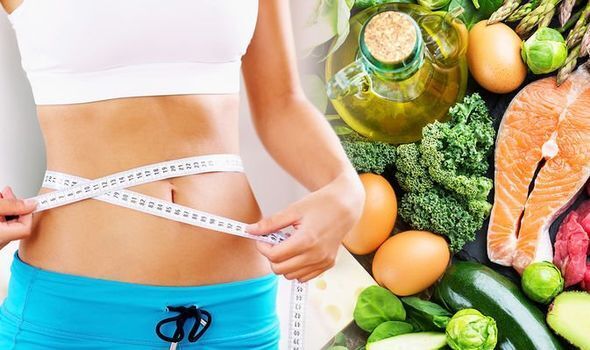
Incorporate these nutritious foods into your diet for faster and healthier weight loss:
1. Avocado
Avocado is a power pack of healthy monounsaturated fats that maintain fullness and cut unhealthy snacking. Vitamins K, E, and C all support skincare and heart function. Toss it into your toast, salad, or smoothie to add a creamy and nutrient-rich boost.
2. Eggs
Eggs are a very good source of high-quality protein. They include several essential nutrients, particularly choline, which is important for brain health. They are low in calories and easy to incorporate into dishes, making them a great breakfast or handy snack for fighting hunger.
3. Leafy Greens
Spinach, kale, and lettuce are low-calorie, nutritionally dense, fiber-filled veggies packed with vitamins and antioxidants. They bulk up your meals, thus keeping you full for longer while also promoting digestion and overall health.
4. Oats
Oats are whole grains, packed with soluble fibers that stabilize the sugar levels in the blood, flowing to your heart organs. You may enjoy oats as warm breakfasts, in smoothies, or baked goods to nourish your body and prepare you for a new day.
5. Greek Yogurt
Greek yogurt offers a protein-rich diet with probiotics in it to benefit one's gut health and digestion. It is very creamy and can be consumed with fruits, honey, or nuts as a very delicious snack.
6. Chicken Breast
Lean and rich in proteins, chicken breast is a perfectly healthy food for your muscles and helps with weight management. It is less fatty and pretty versatile, hence it can be added to salads, wraps, and grilled dishes.
7. Quinoa
Quinoa is a gluten-free superfood with protein because it contains all nine essential amino acids. It is rich in fiber and minerals, making it an excellent substitute for rice or pasta for a balanced diet.
8. Fish
Fatty fish such as tuna, salmon, and mackerel are all rich sources of omega-3 fatty acids, which are known to boost the healthy functionality of the heart and also reduce inflammation. Their highly protein-dense characteristics can also make them one of the best choices for weight loss meal plans.
Also read: "Makhana (Fox Nuts): 12 Health Benefits, Nutrients, Uses & Recipes"
9. Beans and Lentils
Beans and lentils are plant-protein sources rich in fiber as well as iron and folate, which are both very important. They are known to help with blood sugar levels, and they're an economical way of adding nutrition to soups, salads, or curries.
10. Almonds
A handful of almonds can suppress excess hunger and provide healthy fats, fiber, and vitamin E. They make for a great snack on the go or add crunchiness to oatmeal and salads.
11. Chia Seeds
Chia seeds are super-packed with fiber, omega-3s, and antioxidants. They have sort of a gel-like texture when soaked, which is just perfect for puddings, smoothies, or bulking up meals.
12. Sweet Potatoes
Sweet potatoes are nutrient-rich, low-calorie carbs packed with fiber, vitamins A and C, and potassium. They are just as filling and delicious as standard potatoes and can be roasted or mashed for more flavor.
13. Apple Cider Vinegar
Apple cider vinegar is a known appetite suppressant and stabilizer of blood sugar levels. It can be diluted in water or used as a dressing on salads.
14. Berries
Berries such as blueberries, strawberries, raspberries, and blackberries are low in calories and are rich in antioxidants, fibers, and vitamins, which makes them wonderful snacks or toppings to yogurt and cereals.
15. Cottage Cheese
Cottage cheese is a low-fat and protein-rich snack option that is filling. This goes well with fruits or veggies, making it a tasty yet nutrient-packed option.
16. Zucchini Noodles
These low-calorie, low-carb noodles, also known as "zoodles," are a healthy replacement for pasta. These are easy to make, rich in fiber, and can be served with tasty sauces.
17. Broccoli
Broccoli is a fiber-rich, low-calorie vegetable and high in vitamin C, as well as vitamin K. Broccoli can be a very good snack or side dish and the perfect addition to salads.
Read: "16 Hidden Health Benefits Of Vitamin E, Uses, Sources, & Dosage"
18. Tomatoes
A fresh flavor boost comes from adding tomatoes to salad, sauce, and curry,s or just eating them raw. They are hydrating and rich in antioxidants, like lycopene, for a healthy heart and fight against inflammation.
19. Cucumbers
Cucumbers are refreshing, hydrating, and very low in calories, making them diet-friendly. They also have water and fiber that can generally help digestion and detoxification.
20. Green Tea
Green tea boosts metabolism and contains antioxidants known as catechins. They help burn fat and improve your overall health.
21. Dark chocolate
Dark chocolate (minimum 70% cocoa) is guilt-free if you're looking to satisfy your sweet cravings. It is full of antioxidants and improves mood and heart health when consumed in moderation.
22. Watermelon
Watermelon is a very hydrating fruit that is low-calorie and has high vitamins A and C. Due to its high water content, it turns out to be a refreshing and filling snack, especially good in hot weather.
23. Peanut Butter
Peanut butter is an excellent source of healthy fats and protein. Spread it on whole-grain bread or add it to smoothies as an energy-boosting and satisfying snack.
24. Whole-Grain Bread
Whole-grain bread is a fiber-rich alternative to refined white bread. It will last longer in your system and keep you going strong.
25. Whole Wheat Roti
Whole wheat roti is a staple in lots of diets and is a filling and fiber-rich carbohydrate source that fuels your energy without making you feel too full. It is best enjoyed with curries and vegetables.
26. Turmeric
Turmeric is well known as an anti-inflammatory spice; it also assists in digestion and contributes to good overall health. You can add it to soups and curries, or add it to warm milk for an instant health booster: “a golden drink”.
Also, go through: "Basil Seeds Vs. Chia Seeds: Which Should Be Added To Your Diet?"
How to Lose Weight in Ramadan?
As you know, in Pakistan, Ramadan will start in the mid of February, and until March 2026, Pakistan and Ramadan are natural weight loss opportunities for Muslims.
-
Continuing with Suhoor (Before Fasting): Include carbohydrates like oats and whole-grain bread with protein foods such as eggs.
-
Breaking Fast: Start with dates and water, then light soups or salads.
-
Dinner: Avoid fried and sugary foods; focus on grilled meats and vegetables.
-
Hydration: Drink plenty of water during non-fasting hours.
-
Exercise: Go for a light walk, yoga, or other activity after Iftar to boost your metabolism.
Also read: "11 Health Benefits Of Lemongrass Tea, Recipes & Best Time To Drink"
Final Thoughts
Losing weight is not unachievable. All you need to do is take a few steps towards a better lifestyle. Consultations include proper exercise or workout, balanced diet plans, and a sleep schedule. Moreover, including those magical foods in your diet can prove to be a miracle in making your extra fat disappear. Sometimes, we do everything right, but there is always something missing that hinders our progress.
By following the right ways and nutritional advice, one can find that missing part to make the weight loss journey successful.
If you’d like to learn more about your daily nutritional intake and its impact on your overall health, consult with the best nutritionists near you in Pakistan. For quick advice or to book an appointment, call 0423-2377001 and connect with a certified doctor through Apka Muaalij, a trusted telemedicine platform in Pakistan.
Frequently Asked Questions (FAQs)
Why am I not losing weight?
Hidden calories, inconsistent exercise, poor sleep, stress, or hormonal issues may slow progress.
How fast can I safely lose weight?
About 0.5–1 kg (1–2 pounds) per week is considered safe and sustainable.
How many calories should I eat to lose weight?
It varies by person, but many women need 1200–1500 kcal/day and men 1500–1800 kcal/day for weight loss.
Can I lose weight without exercise?
Yes, through diet control, but exercise improves results and helps maintain muscle.
Does green tea help with weight loss?
It may slightly boost metabolism, but it works best with a balanced diet and activity.
What foods help reduce belly fat?
Protein-rich foods, fiber, healthy fats, and whole foods support overall fat loss.
Is intermittent fasting effective?
It can help control calories, but consistency matters more than timing.
How important is sleep for weight loss?
Very important, poor sleep increases hunger and cravings.
Can I lose weight during Ramadan?
Yes, by eating balanced Suhoor, avoiding fried foods at Iftar, and staying hydrated.
Should I consult a nutritionist?
Yes, especially if you have medical conditions or struggle with long-term weight management.
Disclaimer: This article is for educational and informational purposes only. It does not replace professional medical advice, diagnosis, or treatment. Individuals with medical conditions, allergies, or dietary restrictions should consult a qualified healthcare provider before making dietary changes.

Find & Book the best "Nutritionist" near you
Book Appointment
Ifra Sarwar
Dr. Ifra Sarwar is a highly experienced specialist based in Lahore, Pakistan with over several years of clinical expertise. Specializing in evidence-based and patient-centered care, they provides advanced treatment tailored to individual needs. Currently available on Apka Muaalij, appointments can be booked at 042-32377001.