

27 Magnesium-Rich Foods That Are Healthy For Men & Women
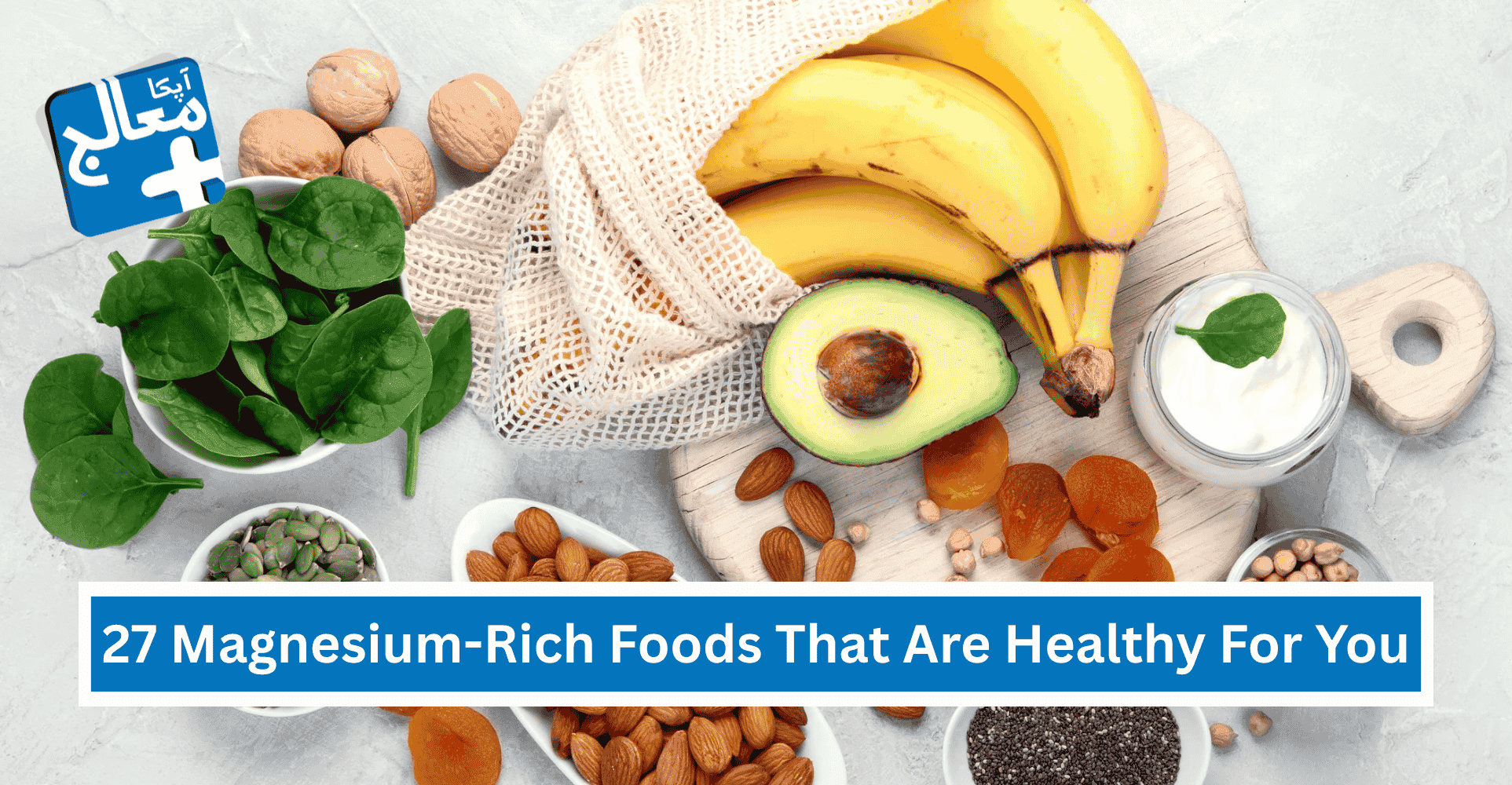
Magnesium rarely gets the attention given to calcium or iron, yet it quietly supports hundreds of processes that keep the human body functioning. From steady heart rhythm and nerve signaling to hormone balance and energy production, magnesium plays a central role in daily health for both men and women.
Despite its importance, magnesium deficiency is common across many populations, including South Asia, the Middle East, and Southeast Asia. Busy lifestyles, refined diets, digestive issues, and certain medications all contribute to low intake. According to the U.S. National Institutes of Health, nearly half of adults may not meet their daily magnesium requirements through diet alone.
Islam places strong emphasis on preserving health and avoiding harm.
The Prophet Muhammad ﷺ said, “Your body has a right over you” (Sahih al-Bukhari).
Understanding where magnesium comes from and how to include it wisely in everyday meals is part of honoring that trust.
This article explores 27 magnesium-rich foods, explains their health relevance for men and women, and offers evidence-based insight grounded in medical research.
Also, go through: "11 Powerful Health Benefits of Drinking Milk & Best Time to Drink It"
Why Magnesium Matters for Men and Women
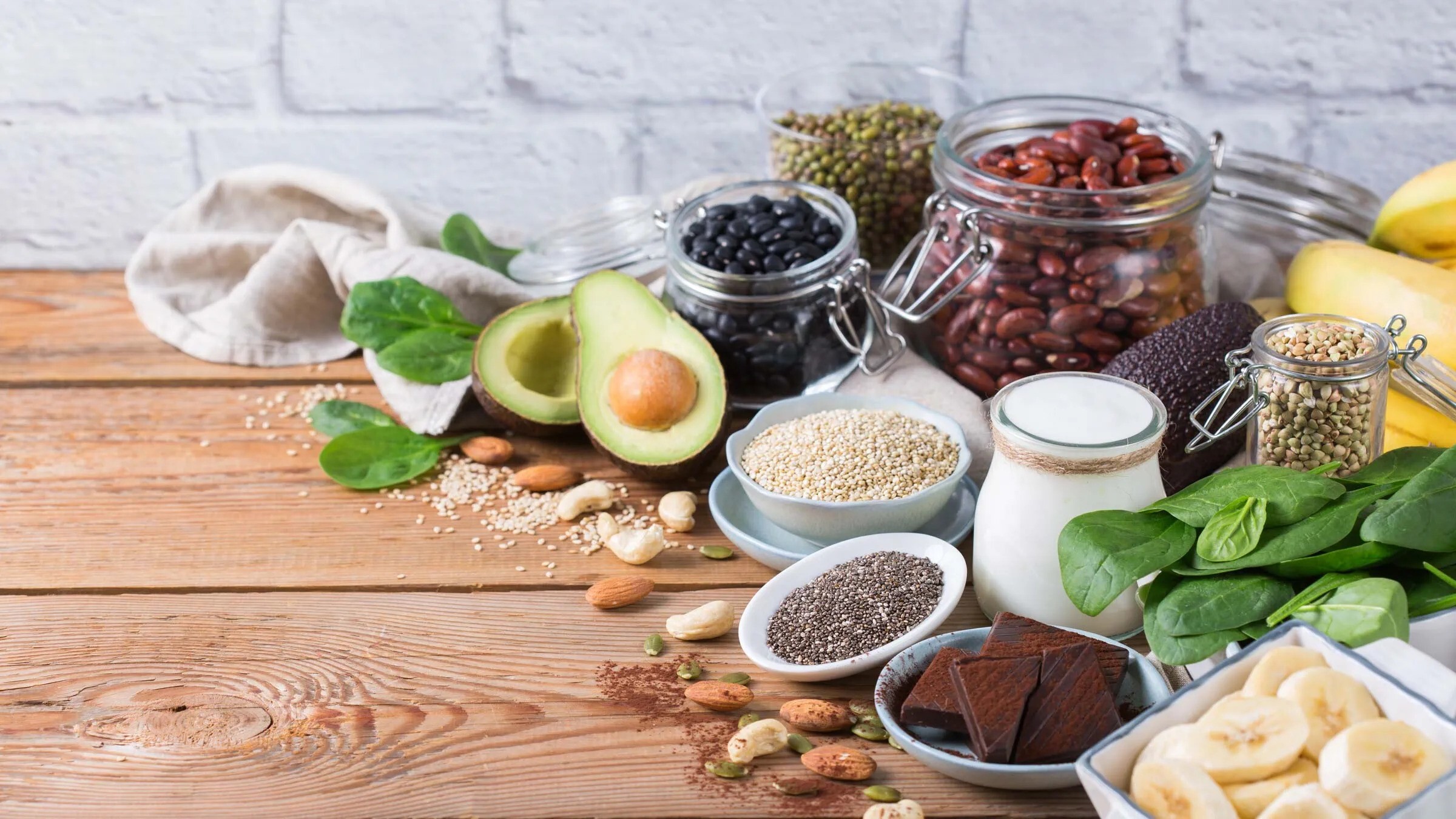
Magnesium is involved in over 300 enzymatic reactions in the body. These include:
-
Muscle contraction and relaxation
-
Blood pressure regulation
-
Glucose and insulin control
-
Bone mineralization
-
Neurotransmitter balance
-
DNA and protein synthesis
Dr. Walter Willett of Harvard T.H. Chan School of Public Health notes, “Magnesium is essential for metabolic health, and low intake has been linked with cardiovascular disease, type 2 diabetes, and osteoporosis.”
Benefits for Men
For men, magnesium supports testosterone regulation, muscle recovery, heart health, and stress resilience. Low magnesium has been associated with higher inflammation and poorer exercise performance.
Benefits for Women
For women, magnesium contributes to hormonal balance, reduces PMS symptoms, protects bone density, and improves sleep quality. Adequate intake becomes especially important during pregnancy and after menopause.
Also read: "11 Powerful Health Benefits of Drinking Milk & Best Time to Drink It"
Daily Magnesium Requirements
According to National Institutes of Health (NIH) guidelines:
|
Group |
Recommended Daily Intake |
|
Adult men (19–51+) |
400–420 mg |
|
Adult women (19–51+) |
310–320 mg |
|
Pregnant women |
350–360 mg |
|
Breastfeeding women |
310–320 mg |
Food-based magnesium is generally safer and better absorbed than supplements for most people.
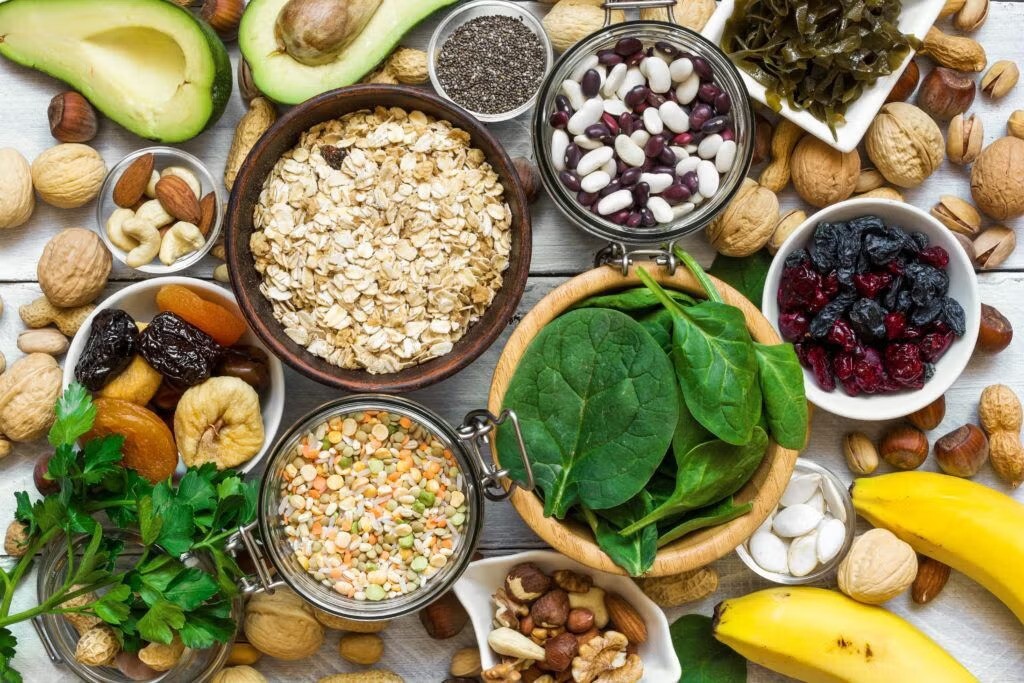
27 Magnesium-Rich Foods to Include in Your Diet
1. Pumpkin Seeds
One of the richest natural sources. About 150 mg per 30 g serving. Also high in zinc and iron.
2. Almonds
Around 80 mg per 30 g. Support heart health and blood sugar control.
3. Cashews
Roughly 75 mg per 30 g. Beneficial for nerve and muscle function.
4. Sunflower Seeds
Provide about 90 mg per 30 g. Also contains vitamin E.
5. Chia Seeds
About 95 mg per 2 tablespoons. High fiber content supports digestion.
6. Whole Wheat
Contains approximately 160 mg per cup cooked. Refined flour loses most magnesium.
7. Brown Rice
Around 80 mg per cup cooked. A better choice than white rice.
8. Oats
About 60 mg per cup cooked. Helps stabilize blood sugar.
9. Quinoa
Approximately 120 mg per cup cooked. A complete plant protein.
Also, go through: "16 Hidden Health Benefits Of Vitamin E, Uses, Sources, & Dosage"
10. Lentils
About 70 mg per cup cooked. Widely used in South Asian diets.
11. Chickpeas
Roughly 80 mg per cup cooked. Common in hummus and curries.
12. Black Beans
Provide around 120 mg per cup cooked.
13. Kidney Beans
Contain approximately 70 mg per cup cooked.
14. Spinach
One cup of cooked provides about 160 mg. Magnesium is part of chlorophyll.
15. Swiss Chard
Offers around 150 mg per cup cooked.
16. Okra
About 60 mg per cup cooked. Also supports gut health.
17. Broccoli
Roughly 30 mg per cup cooked, with additional antioxidants.
18. Bananas
Contain about 30 mg each. Helpful for muscle cramps.
Also read: "Talbina: 20 Health Benefits, Side Effects & Prophetic Recipe"
19. Avocados
Provide approximately 60 mg per half fruit. Also rich in healthy fats.
20. Figs (Dried)
About 100 mg per half cup. Traditional and nutrient-dense.
21. Yogurt
Contains around 40 mg per cup. Supports gut and bone health.
22. Milk
Provides roughly 25 mg per cup.
23. Fish (Mackerel)
About 80 mg per 100 g. Also high in omega-3 fats.
24. Dark Chocolate (70 percent cocoa)
Contains around 65 mg per 30 g. Consume in moderation.
25. Tofu
Provides approximately 60 mg per half cup.
26. Dates
About 50 mg per cup. A Sunnah food with quick energy.
27. Coconut Water
Contains around 60 mg per liter and supports hydration.
Also read: "Magnesium Glycinate: Benefits, Uses, Side Effects, Sources & More"
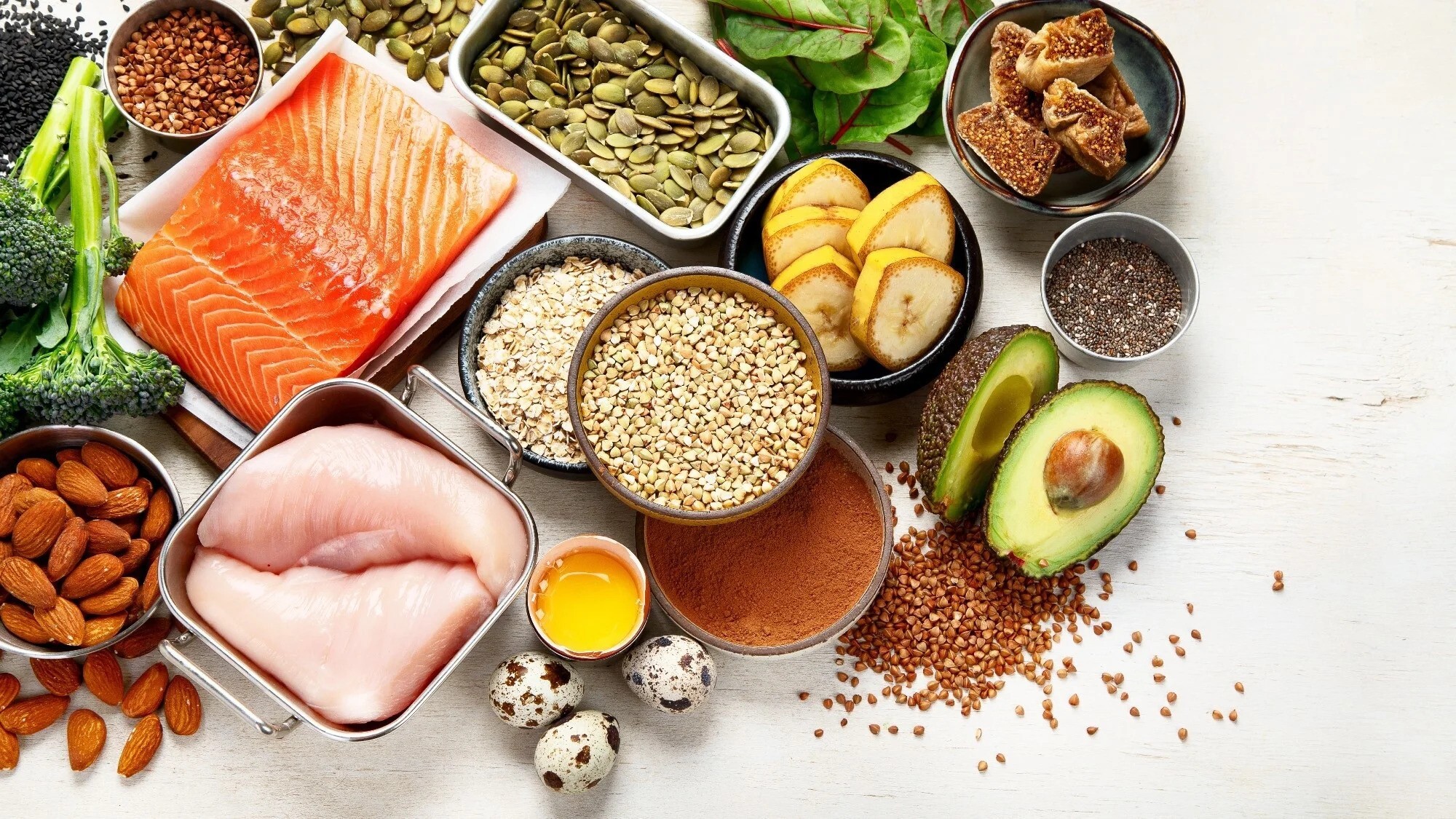
How Magnesium Supports Overall Health
Heart Health
The American Heart Association reports that adequate magnesium intake is associated with a lower risk of hypertension and arrhythmias.
Bone Strength
Magnesium works with calcium and vitamin D to maintain bone density. Low levels may increase fracture risk.
Mental Wellbeing
Studies published in the Journal of the American Board of Family Medicine link magnesium intake with reduced symptoms of anxiety and depression.
Blood Sugar Control
Magnesium improves insulin sensitivity and reduces type 2 diabetes risk.
Also read: "Basil Seeds Vs. Chia Seeds: Which Should Be Added To Your Diet?"
Islamic Perspective on Nutrition and Balance
Islam does not prescribe specific micronutrients but strongly encourages moderation and wholesome eating.
Allah says in the Quran:
“Eat and drink, but do not be excessive. Indeed, He does not like those who commit excess” (Quran 7:31).
Many magnesium-rich foods, such as dates, figs, grains, and legumes, were staples in traditional Muslim diets. Choosing whole, natural foods aligns with the prophetic approach to nourishment.
Tips to Improve Magnesium Absorption
-
Limit excessive caffeine and carbonated drinks
-
Avoid overcooking vegetables
-
Combine magnesium-rich foods with vitamin B6 sources
-
Manage gut health, as absorption occurs in the intestines
Also learn: "13 Astonishing Benefits Of Dates (Khajoor) – Uses & Best Time To Eat"
Bottom Line
Magnesium is essential for energy, heart rhythm, muscle function, hormonal balance, and mental well-being. Both men and women benefit from regular intake of whole, minimally processed foods. A diet rooted in grains, legumes, vegetables, nuts, fruits, and traditional foods aligns with modern nutrition science.
Prioritizing magnesium-rich foods is not about chasing a nutrient trend. It is about restoring balance, supporting long-term health, and honoring the body as a trust.
If you’d like to learn more about your daily nutritional intake and its impact on your overall health, consult with the best nutritionists near you in Pakistan. For quick advice or to book an appointment, call 0423-2377001 and connect with a certified doctor through Apka Muaalij, a trusted telemedicine platform in Pakistan.
Frequently Asked Questions
What are the symptoms of magnesium deficiency?
Common signs include muscle cramps, fatigue, headaches, irregular heartbeat, and anxiety.
Can magnesium help with sleep?
Yes. Magnesium supports melatonin regulation and muscle relaxation.
Is magnesium safe during pregnancy?
Dietary magnesium from food is safe and beneficial. Supplements should be discussed with a doctor.
Which food has the highest magnesium content?
Pumpkin seeds and spinach rank among the highest natural sources.
Can magnesium lower blood pressure?
Yes. Clinical studies show modest but meaningful reductions.
Are supplements better than food sources?
Food sources are preferred due to better absorption and lower risk of excess.
Does cooking destroy magnesium?
Boiling can reduce the content. Steaming or light sautéing is better.
Can children benefit from magnesium-rich foods?
Yes. Magnesium supports growth, bone development, and nerve function.
Is magnesium good for muscle cramps?
Yes. It supports muscle relaxation and nerve signaling.
How does magnesium affect hormones?
It helps regulate stress hormones and insulin.
Can magnesium help PMS symptoms?
Research suggests reduced cramps and mood symptoms.
Is too much magnesium dangerous?
Excess from supplements can cause diarrhea and heart issues. Food sources are generally safe.
Does fasting affect magnesium levels?
Long fasts without balanced meals may reduce intake. Suhoor and iftar should include whole foods.
Are dates a good magnesium source?
Yes. They provide moderate magnesium and quick energy.
How long does it take to correct the deficiency?
Dietary improvements may show effects within weeks.
Disclaimer: This article is for educational purposes only and does not replace professional medical advice. Individuals with kidney disease, chronic illness, or those taking medications should consult a qualified healthcare professional before making significant dietary or supplement changes.

Find & Book the best "Nutritionist" near you
Book Appointment
Ifra Sarwar
Dr. Ifra Sarwar is a highly experienced specialist based in Lahore, Pakistan with over several years of clinical expertise. Specializing in evidence-based and patient-centered care, they provides advanced treatment tailored to individual needs. Currently available on Apka Muaalij, appointments can be booked at 042-32377001.