

7 Amazing Benefits Of Bahi Fruit/Quince You Must Know

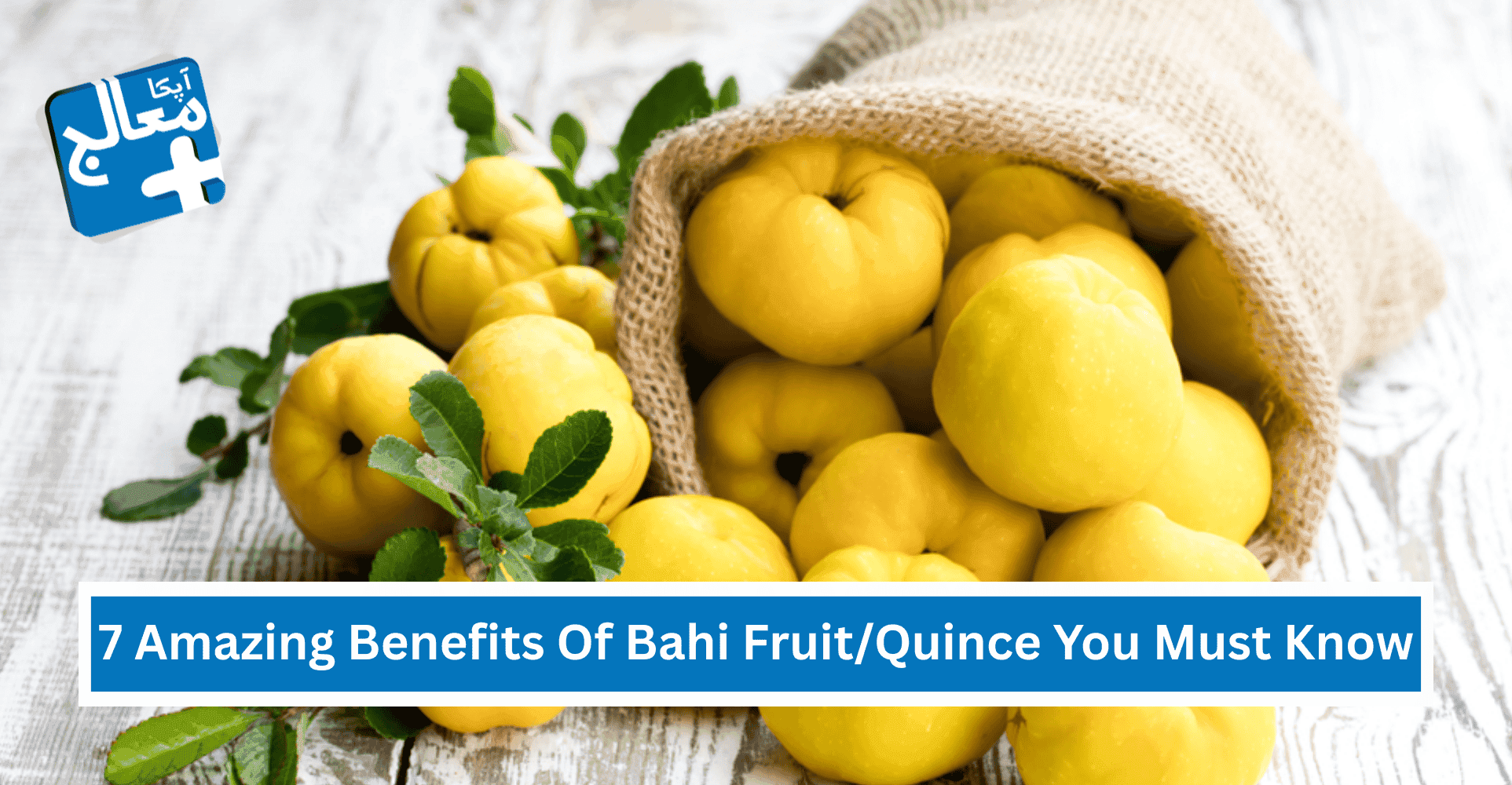
In many South Asian homes, bahi fruit sits quietly in the kitchen, its fragrant aroma filling the air long before it reaches the plate. Known globally as quince, this golden fruit has been valued for centuries in traditional medicine, culinary traditions, and modern nutrition science. Despite its rich history and impressive health profile, quince remains underappreciated compared to apples or pears.
Understanding the benefits of bahi fruit matters today more than ever. As people search for natural ways to support digestion, immunity, and metabolic health, nutrient-dense fruits like quince are gaining renewed attention. This article explores the full spectrum of quince benefits, from its nutritional composition and evidence-backed health effects to practical ways to eat it safely and enjoyably.
By the end, you will know how to use quince in daily life, who should be cautious, and why this ancient fruit deserves a place in modern diets.
Key Takeaways
-
Bahi fruit, or quince, is a nutrient-dense fruit rich in antioxidants, fiber, and vitamin C.
-
Cooking quince enhances its flavor, digestibility, and health benefits.
-
It supports digestion, heart health, immunity, and skin repair.
-
Traditional uses align with modern nutritional science.
-
Safe consumption requires avoiding raw seeds and excessive intake.
What Is Bahi Fruit (Quince)?
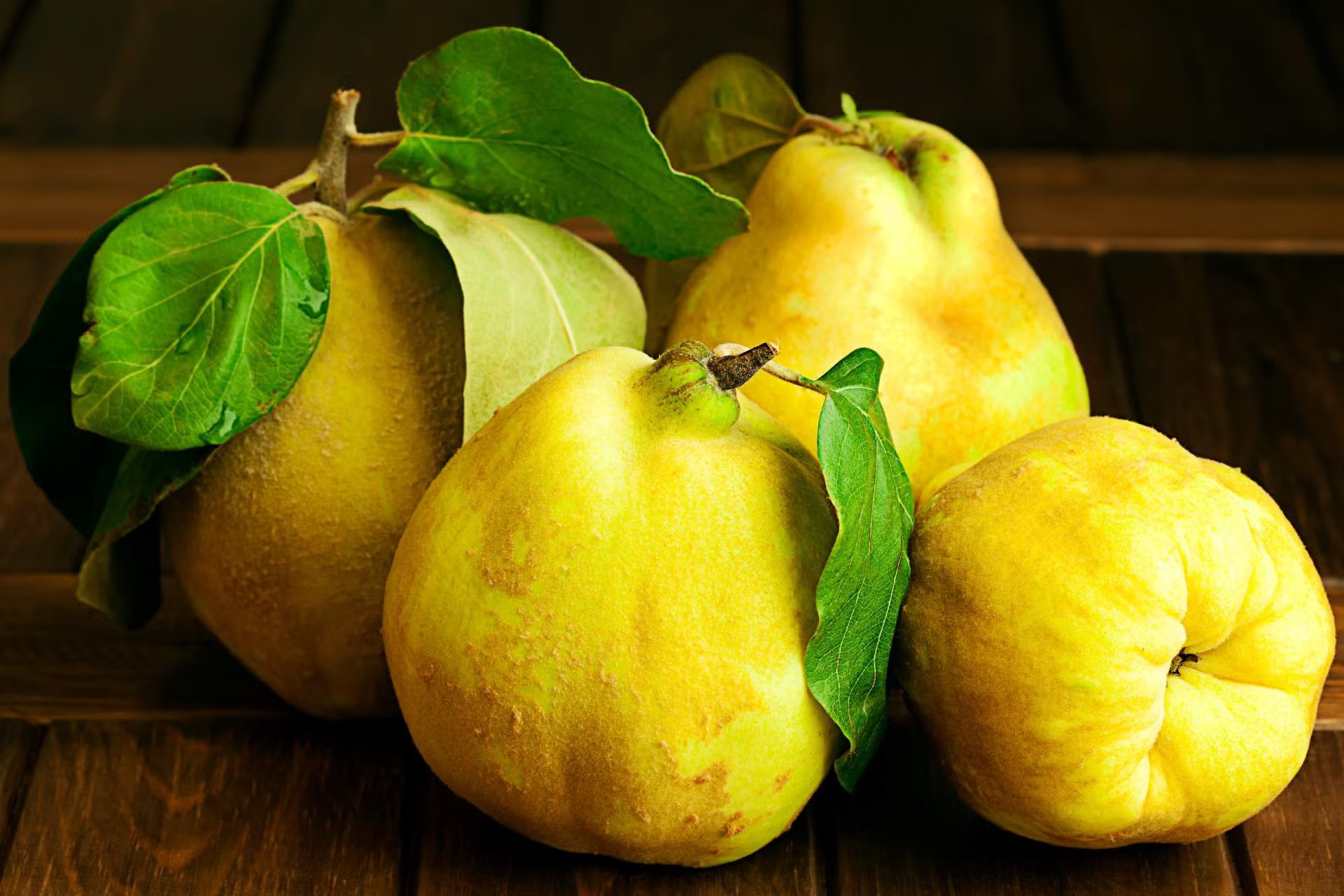
Bahi fruit, scientifically known as Cydonia oblonga, is a pome fruit closely related to apples and pears. Native to Western Asia and the Mediterranean region, it is widely cultivated in South Asia, the Middle East, and parts of Europe.
Key characteristics
-
Yellow, pear-like shape when ripe
-
Firm and astringent when raw
-
Aromatic, floral scent
-
Turns soft and sweet when cooked
Unlike apples, quince is rarely eaten raw due to its hardness and tannin content. Cooking transforms its texture and flavor, revealing a delicate sweetness.
Nutritional Profile of Quince
Quince is low in calories yet dense in micronutrients and plant compounds that support overall health.
Nutritional content per 100 grams (approximate)
|
Nutrient |
Amount |
Health Role |
|
Calories |
57 kcal |
Energy with low calorie load |
|
Fiber |
1.9 g |
Digestive health, satiety |
|
Vitamin C |
15 mg |
Immune support, antioxidant |
|
Potassium |
197 mg |
Blood pressure regulation |
|
Copper |
0.13 mg |
Red blood cell formation |
|
Iron |
0.7 mg |
Oxygen transport |
Quince also contains polyphenols, flavonoids, and tannins, which contribute to its antioxidant and anti-inflammatory properties.
Top 7 Health Benefits of Bahi Fruit for You
1. Supports Digestive Health
Quince has long been used in traditional medicine for digestive complaints. Its soluble fiber and pectin help regulate bowel movements and soothe gastrointestinal irritation.
Research referenced by institutions like the National Institutes of Health highlights pectin’s role in promoting beneficial gut bacteria and improving stool consistency.
Potential digestive benefits:
-
Relief from mild constipation
-
Reduction in diarrhea symptoms
-
Gut microbiome support
-
Protection of the stomach lining
In traditional South Asian remedies, quince pulp is often used to calm acid reflux and gastritis.
2. Powerful Antioxidant Protection
Quince is rich in polyphenols, which help neutralize free radicals linked to chronic diseases.
According to insights supported by Harvard Medical School, antioxidant-rich foods contribute to reduced oxidative stress, a key factor in aging and inflammation.
Key antioxidant compounds in quince:
-
Chlorogenic acid
-
Catechins
-
Quercetin
These compounds may support cellular health and lower the risk of inflammatory conditions.
3. Enhances Immune Function
With its vitamin C content and antimicrobial compounds, quince contributes to immune resilience.
The World Health Organization emphasizes vitamin C’s role in immune defense, particularly in supporting white blood cell function.
Immune-support benefits:
-
Improved resistance to infections
-
Faster wound healing
-
Reduced inflammation
Quince syrup is traditionally used in winter to ease sore throats and cough.
4. Supports Heart Health
Quince’s fiber, potassium, and antioxidants work together to support cardiovascular health.
Mechanisms that benefit the heart:
-
Potassium helps regulate blood pressure
-
Fiber reduces LDL cholesterol
-
Polyphenols reduce arterial inflammation
Cardiovascular research often cited by the Cleveland Clinic notes that fiber-rich fruits contribute to healthier lipid profiles.
5. May Aid in Weight Management
Quince is low in calories but high in fiber, making it a satisfying addition to weight-conscious diets.
Why quince helps with satiety:
-
Slows digestion
-
Reduces hunger spikes
-
Stabilizes blood sugar levels
Adding cooked quince to meals can help reduce cravings for high-sugar desserts.
6. Supports Skin Health
The antioxidants and vitamin C in quince contribute to collagen production and skin repair.
Benefits include:
-
Reduced signs of aging
-
Improved skin elasticity
-
Protection from environmental damage
Quince seed mucilage is traditionally used as a soothing skin gel for irritation and dryness.
7. Potential Anti-Inflammatory Effects
Quince’s plant compounds may help reduce inflammation linked to chronic diseases such as arthritis and metabolic syndrome.
Studies referenced in journals indexed by the National Library of Medicine suggest that polyphenol-rich fruits may lower inflammatory markers.
How to Eat Bahi Fruit/Quince: Practical and Safe Methods
Why Quince Is Rarely Eaten Raw
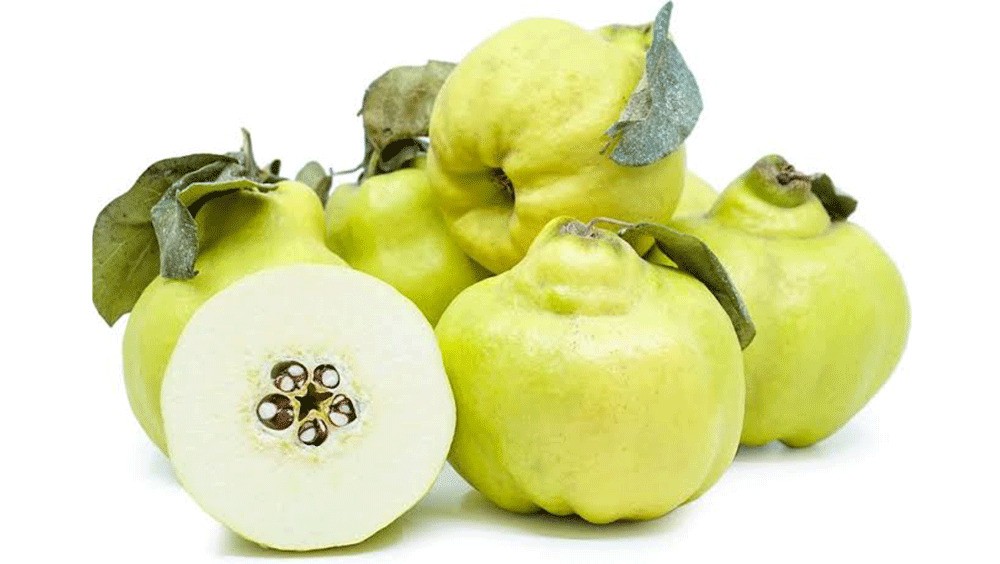
Raw quince is extremely hard and astringent due to tannins. Cooking breaks down these compounds, improving taste and digestibility.
5 Popular Ways to Eat Bahi Fruit
1. Stewed Quince
Steps:
-
Peel and core the fruit
-
Slice into wedges
-
Simmer with water and cinnamon for 30–40 minutes
Result: Soft, aromatic fruit ideal for breakfast or dessert.
2. Quince Jam or Murabba
A staple in South Asia, quince murabba combines slow-cooked quince with sugar and spices.
Benefits include:
-
Long shelf life
-
Concentrated nutrients
-
Traditional digestive remedy
3. Quince Tea (Seed Infusion)
Quince seeds release a soothing gel when soaked.
Use:
-
Sore throat relief
-
Digestive soothing
-
Mild cough remedy
4. Baked Quince Dessert
Bake quince halves with honey and nuts for a nutrient-rich dessert.
5. Savory Dishes
In Middle Eastern cuisine, quince is cooked with meat to add sweetness and acidity balance.
Who Should Be Cautious When Eating Quince?
While quince is generally safe, certain groups should exercise moderation.
Potential concerns
-
Pregnant women: Large amounts of seed extracts should be avoided
-
Allergy-prone individuals: Rare cross-reactivity with apple allergies
-
Digestive sensitivity: Raw quince may irritate the gut
Always consult a healthcare provider if you have underlying conditions.
Quince vs Apple vs Pear: Nutritional Comparison
|
Feature |
Quince |
Apple |
Pear |
|
Fiber |
Moderate |
High |
High |
|
Vitamin C |
Higher |
Moderate |
Low |
|
Raw Edibility |
Poor |
Excellent |
Excellent |
|
Antioxidants |
High |
Moderate |
Moderate |
|
Culinary Use |
Cooked |
Raw/Cooked |
Raw/Cooked |
Quince stands out for antioxidant density and therapeutic culinary uses.
Traditional and Cultural Uses of Bahi Fruit
Across South Asia and the Middle East, quince holds medicinal and culinary significance.
Common traditional uses:
-
Digestive tonic
-
Post-illness recovery food
-
Winter immunity support
-
Skin-soothing gel from seeds
These uses align with modern nutritional science, highlighting the fruit’s bioactive compounds.
Common Misconceptions About Quince
“Quince is unsafe to eat”
False. The fruit is safe when properly cooked. Only seeds should be used cautiously.
“It has no nutritional value”
Incorrect. Quince is rich in antioxidants, fiber, and vitamin C.
“It is just an ornamental fruit”
While fragrant and decorative, quince has significant culinary and medicinal uses.
Need Healthcare Assistance?
Our expert healthcare professionals, including the best nutritionists near you in Pakistan, are here to support you. If you have specific health concerns or queries, Apka Muaalij encourages you to consult your qualified specialists. Book an online video consultation or call 042-32377001.
Disclaimer: This article is for informational purposes only and does not constitute medical advice. While quince offers nutritional and potential therapeutic benefits, individual health conditions vary. Consult a licensed healthcare professional or registered dietitian before using quince for medicinal purposes, especially if you are pregnant, managing chronic illness, or taking medication.

Find & Book the best "Nutritionist" near you
Book Appointment