

Cinnamon: 7 Health Benefits, Uses, Nutrition, Safety & Effects

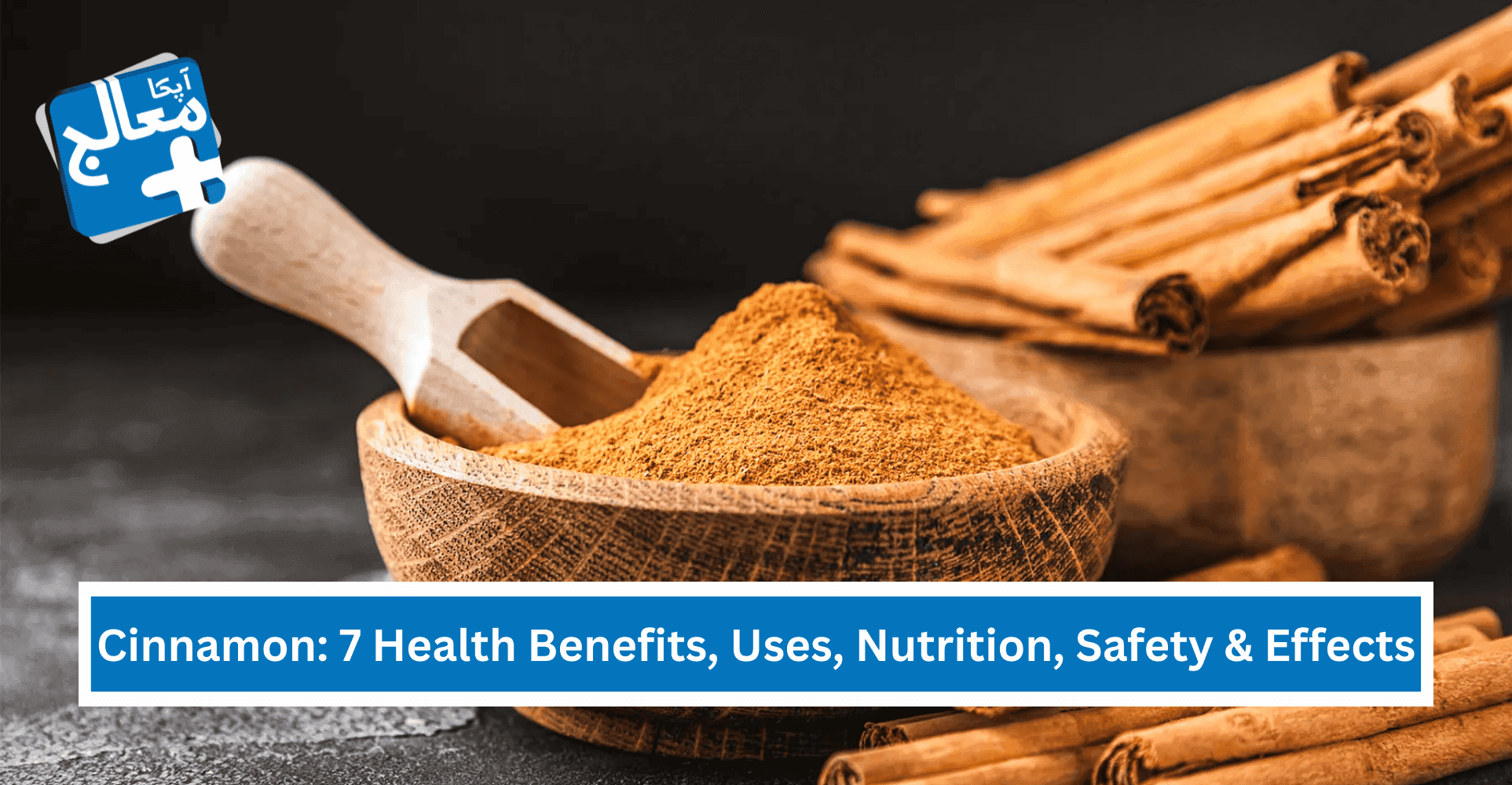
Cinnamon is one of the most recognizable spices in the world. Its warm aroma appears in everything from baked desserts to traditional curries, but its value goes far beyond flavor. For centuries, different cultures have used cinnamon as both a culinary spice and a natural remedy.
Modern scientific research is now exploring why this ancient spice earned such a reputation. Studies suggest that cinnamon contains powerful plant compounds that may support blood sugar control, heart health, and inflammation balance.
This guide explores cinnamon in depth: what it is, its nutritional profile, types, evidence-based health benefits, safety considerations, and practical applications in everyday life.
Key Takeaways
-
Cinnamon is a spice made from the inner bark of trees in the Cinnamomum family.
-
It contains powerful plant compounds such as cinnamaldehyde and polyphenol antioxidants.
-
Research suggests cinnamon may help regulate blood sugar, reduce inflammation, and support heart health.
-
Ceylon cinnamon contains far less coumarin than cassia and is considered safer for frequent use.
-
Most studies use doses between 1 and 6 grams (½–2 teaspoons) per day.
-
Cinnamon is best viewed as a beneficial dietary spice rather than a standalone medical treatment.
What Is Cinnamon?
Cinnamon is a spice made from the inner bark of trees in the Cinnamomum genus. When the bark is harvested and dried, it curls into thin rolls known as cinnamon sticks or quills. These sticks can be ground into the familiar cinnamon powder.
The spice’s distinctive taste and aroma primarily derive from cinnamaldehyde, a natural compound that also contributes to many of its potential health effects.
Historically, cinnamon was extremely valuable. Ancient Egyptian texts mention its use as a medicinal ingredient and embalming agent. In medieval Europe, it was considered a luxury spice reserved for royalty.
Today, cinnamon remains widely used in cuisines around the world, including Middle Eastern, South Asian, Latin American, and European cooking.
Types of Cinnamon
Although most grocery stores simply label products as “cinnamon,” several varieties exist. The two most important types are Ceylon cinnamon and Cassia cinnamon.
Ceylon Cinnamon (True Cinnamon)
Ceylon cinnamon comes primarily from Sri Lanka and southern India.
Characteristics:
-
Light brown color
-
Mild, delicate flavor
-
Thin, soft layers of bark
-
Very low levels of coumarin
Because of its lower coumarin content, many nutrition experts consider Ceylon cinnamon safer for frequent consumption.
Cassia Cinnamon
Cassia cinnamon is the most common type sold worldwide.
Characteristics:
-
Darker reddish-brown color
-
Stronger, spicier flavor
-
Thicker bark
-
Higher coumarin content
Cassia varieties are widely grown in China, Indonesia, and Vietnam.
Comparison Table
|
Feature |
Ceylon Cinnamon |
Cassia Cinnamon |
|
Common name |
True cinnamon |
Chinese/Indonesian cinnamon |
|
Flavor |
Mild and sweet |
Strong and spicy |
|
Coumarin level |
Very low |
Higher |
|
Price |
More expensive |
More affordable |
|
Typical use |
Gourmet cooking, health supplements |
Everyday cooking |
Because of the coumarin issue, people who consume cinnamon frequently often choose Ceylon cinnamon.
Nutritional Profile of Cinnamon
Cinnamon is typically consumed in small amounts, so it is not a major source of calories or macronutrients. However, it contains several beneficial micronutrients and plant compounds.
Approximate nutrition for 1 teaspoon (2.6 g) of ground cinnamon:
-
Calories: ~6
-
Carbohydrates: ~2 g
-
Fiber: ~1 g
-
Calcium: ~26 mg
-
Potassium: ~11 mg
-
Vitamin A: trace amounts
More important than vitamins are cinnamon’s bioactive compounds, including:
-
Cinnamaldehyde
-
Polyphenols
-
Cinnamic acid
-
Eugenol
-
Coumarin (higher in cassia varieties)
These compounds are largely responsible for cinnamon’s antioxidant and anti-inflammatory properties.
7 Evidence-Based Health Benefits of Cinnamon
Research into cinnamon has grown significantly over the past two decades. While it is not a cure for disease, scientific studies suggest several potential health benefits.
1. Rich Source of Antioxidants
Cinnamon contains high levels of polyphenol antioxidants, which help neutralize free radicals in the body.
Free radicals are unstable molecules that can damage cells through oxidative stress. Long-term oxidative stress is associated with aging and chronic diseases.
A study published in the Journal of Agricultural and Food Chemistry ranked cinnamon among the top antioxidant foods, showing higher antioxidant activity than many commonly consumed spices.
This antioxidant capacity may contribute to several of cinnamon’s other health effects.
2. May Reduce Chronic Inflammation
Inflammation is a natural immune response that helps the body fight infections and repair tissues.
However, chronic inflammation is linked to many diseases, including heart disease, diabetes, and arthritis.
Cinnamon contains compounds that may help regulate inflammatory pathways. Some studies have found that cinnamon supplementation can reduce markers such as C-reactive protein (CRP), which is associated with systemic inflammation.
While more clinical trials are needed, these findings suggest cinnamon may support inflammation balance.
3. Supports Healthy Blood Sugar Levels
One of the most studied benefits of cinnamon is its potential role in blood glucose regulation.
Research suggests cinnamon may help in several ways:
-
Increasing insulin sensitivity
-
Slowing carbohydrate digestion
-
Improving glucose uptake by cells
A review published in the Annals of Family Medicine found that cinnamon supplementation significantly reduced fasting blood glucose levels in people with type 2 diabetes.
Typical doses studied ranged from 1 to 6 grams per day.
Although cinnamon should not replace diabetes medication, it may serve as a supportive dietary addition.
4. May Improve Insulin Sensitivity
Insulin is the hormone responsible for moving glucose from the bloodstream into cells.
In people with insulin resistance, cells become less responsive to insulin, leading to elevated blood sugar levels.
Some studies indicate that compounds in cinnamon may mimic insulin activity and improve insulin sensitivity. This effect could be helpful for people with metabolic syndrome or prediabetes.
However, results vary between studies, so more research is required to determine the exact mechanism.
5. Potential Heart Health Benefits
Cardiovascular disease remains one of the leading causes of death worldwide.
Several studies suggest cinnamon may help improve key heart health markers.
Possible benefits include:
-
Lower LDL (“bad”) cholesterol
-
Reduced triglyceride levels
-
Slight reductions in blood pressure
A meta-analysis published in the Journal of Clinical Lipidology found that cinnamon supplementation modestly improved cholesterol and triglyceride levels in participants with metabolic conditions.
These changes may contribute to improved cardiovascular health when combined with a balanced diet.
6. Antimicrobial and Antifungal Properties
Cinnamaldehyde, the primary active compound in cinnamon, has demonstrated antimicrobial properties.
Laboratory studies show that cinnamon extracts can inhibit the growth of several bacteria and fungi, including:
-
Salmonella
-
Listeria monocytogenes
-
Candida species
Because of these properties, cinnamon oil is sometimes used in natural food preservation and oral health products.
However, most of this research is laboratory-based, so real-world effects in humans are still being studied.
7. Possible Brain Health Effects
Some early research suggests cinnamon compounds may help protect brain cells.
Studies in animals have indicated that cinnamon may help reduce the buildup of certain proteins associated with neurodegenerative diseases such as Alzheimer’s.
In addition, cinnamon has been studied for its potential effects on neurotransmitters and brain inflammation.
While promising, human clinical research is still limited.
Cinnamon and Weight Management
Cinnamon is often marketed as a weight-loss aid, but the evidence is mixed.
Some studies suggest cinnamon may help:
-
Stabilize blood sugar levels
-
Reduce appetite fluctuations
-
Improve metabolism
These effects could indirectly support weight management.
However, cinnamon alone does not cause significant fat loss. Sustainable weight management still depends on diet quality, calorie balance, and physical activity.
How Much Cinnamon Is Safe to Consume?
For most people, cinnamon is safe when consumed in normal culinary amounts.
Many research studies use doses between:
- 1–6 grams per day
(approximately ½ to 2 teaspoons of ground cinnamon)
However, the type of cinnamon matters.
Cassia cinnamon contains higher levels of coumarin, a compound that may cause liver toxicity when consumed in large quantities over long periods.
Health authorities such as the European Food Safety Authority recommend limiting coumarin intake to about:
- 0.1 mg per kilogram of body weight per day
Because Ceylon cinnamon contains very little coumarin, it is generally considered the safer option for regular consumption.
Potential Side Effects and Risks
Cinnamon is widely considered safe, but excessive intake or supplements may cause side effects.
Possible risks include:
1. Liver Toxicity
Large amounts of cassia cinnamon can expose the body to high levels of coumarin, which may damage the liver in sensitive individuals.
2. Mouth Irritation
Cinnamon can cause irritation or allergic reactions in some people, especially when used in concentrated forms.
3. Low Blood Sugar
Because cinnamon may lower blood glucose, combining it with diabetes medications could increase the risk of hypoglycemia.
4. Drug Interactions
Cinnamon supplements may interact with:
-
Blood-thinning medications
-
Diabetes medications
-
Certain antibiotics
Anyone considering cinnamon supplements should consult a healthcare professional first.
Practical Ways to Add Cinnamon to Your Diet
Cinnamon is one of the easiest spices to incorporate into daily meals.
Here are several simple ideas:
Breakfast Ideas
-
Sprinkle cinnamon on oatmeal or cereal
-
Mix into yogurt or smoothies
-
Add to coffee or tea
Cooking and Baking
-
Use in baked goods such as muffins or bread
-
Add to apple or pear desserts
-
Incorporate into curries or stews
Savory Dishes
Cinnamon also enhances savory recipes:
-
Moroccan tagines
-
Middle Eastern rice dishes
-
Chili and slow-cooked meats
Homemade Cinnamon Tea
A simple cinnamon tea can be made by simmering a cinnamon stick in hot water for 10 minutes.
Some people add lemon or honey for additional flavor.
Need Healthcare Assistance?
Our expert healthcare professionals, including the best nutritionists and general physicians near you in Pakistan, are here to support you. If you have specific health concerns or queries, Apka Muaalij encourages you to consult your qualified specialists. Book an online video consultation or call 042-32377001.
Frequently Asked Questions (FAQs)
Is cinnamon good for your health?
Cinnamon contains antioxidants and plant compounds that may support blood sugar regulation, reduce inflammation, and improve cholesterol markers. While promising, it should be viewed as a supportive dietary ingredient rather than a medical treatment.
Which cinnamon is healthier: Ceylon or Cassia?
Ceylon cinnamon is generally considered healthier because it contains much lower levels of coumarin, a compound that can harm the liver when consumed in large quantities. Cassia cinnamon is more common but should be consumed in moderation.
Can cinnamon help lower blood sugar?
Some studies suggest cinnamon may improve insulin sensitivity and reduce fasting blood glucose levels. Research shows doses between 1 and 6 grams per day may help support blood sugar control in people with type 2 diabetes.
How much cinnamon should you consume daily?
Most research studies use between ½ and 2 teaspoons per day. Culinary use is typically safe for healthy adults. If using supplements or higher amounts, consult a healthcare professional.
Does cinnamon help with weight loss?
Cinnamon may help stabilize blood sugar levels and reduce appetite fluctuations, which could indirectly support weight management. However, it does not cause significant weight loss on its own.
Can cinnamon improve heart health?
Some research suggests cinnamon may reduce LDL cholesterol, triglycerides, and blood pressure. These effects may contribute to improved cardiovascular health when combined with healthy lifestyle habits.
Is cinnamon safe during pregnancy?
Small amounts used in cooking are generally considered safe during pregnancy. However, high doses or supplements should be avoided unless recommended by a healthcare professional.
What is cinnamon tea good for?
Cinnamon tea may support digestion, provide antioxidants, and help regulate blood sugar levels. It is commonly consumed for warmth, relaxation, and potential metabolic benefits.
Can cinnamon fight infections?
Laboratory studies show cinnamon has antimicrobial and antifungal properties, largely due to cinnamaldehyde. However, these effects are mostly observed in controlled experiments rather than clinical treatments.
What happens if you eat too much cinnamon?
Excessive intake, especially of cassia cinnamon, may lead to liver damage, mouth irritation, digestive discomfort, or dangerously low blood sugar in people taking diabetes medication.
Disclaimer: This article is for informational and educational purposes only and does not constitute medical advice. Cinnamon should not be used as a substitute for professional healthcare, diagnosis, or treatment. Individuals with medical conditions, those taking medications, or pregnant individuals should consult a qualified healthcare professional before using cinnamon supplements or consuming large amounts.

Find & Book the best "Nutritionist" near you
Book Appointment