

ADHD in Adults: Symptoms, Causes, Diagnosis, and Treatment Guide (2026)


Many adults live with attention difficulties, impulsive decisions, poor time management, restlessness, or ongoing struggles with organization without realizing these challenges may be linked to Attention-Deficit/Hyperactivity Disorder (ADHD). Although ADHD is often associated with children, it frequently continues into adulthood and can affect work performance, relationships, emotional well-being, and daily responsibilities.
Adult ADHD is increasingly recognized worldwide, including in Pakistan, where awareness about mental health conditions is growing. However, many adults remain undiagnosed because symptoms can look different from childhood ADHD, and problems are sometimes misunderstood as laziness, lack of discipline, or stress.
Understanding ADHD in adults, its symptoms, causes, diagnosis methods, and treatment options can help individuals seek appropriate support and improve their quality of life. This guide explains adult ADHD using current medical evidence from organizations including the Centers for Disease Control and Prevention, National Institute of Mental Health, National Health Service, and clinical research literature.
You will learn how adult ADHD is diagnosed, what treatments are available, lifestyle strategies that may help, and when professional evaluation is recommended.
Quick Answer:
Adult ADHD is a neurodevelopmental condition involving persistent patterns of inattention, hyperactivity, and/or impulsivity that interfere with daily life. Symptoms usually begin in childhood but may continue into adulthood, affecting work, relationships, emotional regulation, and personal responsibilities.
Must read: "Early Warning Signs Of Schizophrenia In Urdu, Causes & Treatments (In Teens)"
Need Professional Mental Health Support?
If you or someone you know is struggling with attention, focus, impulsivity, or daily functioning, professional guidance can make a meaningful difference. Apka Muaalij connects patients with qualified psychiatrists and psychologists for medical guidance and online consultations. For support, contact 042-32377001.
Key Takeaways
-
Adult ADHD is a recognized neurodevelopmental condition affecting attention, impulse control, and organization.
-
Symptoms can continue from childhood into adulthood.
-
ADHD diagnosis requires professional assessment, not a single test.
-
Effective treatment may include medication, therapy, and behavioral strategies.
-
Stress, anxiety, and sleep problems can mimic ADHD symptoms.
-
Early evaluation can improve daily functioning and quality of life.
-
Qualified healthcare guidance is important before starting any treatment.
What Is ADHD in Adults?
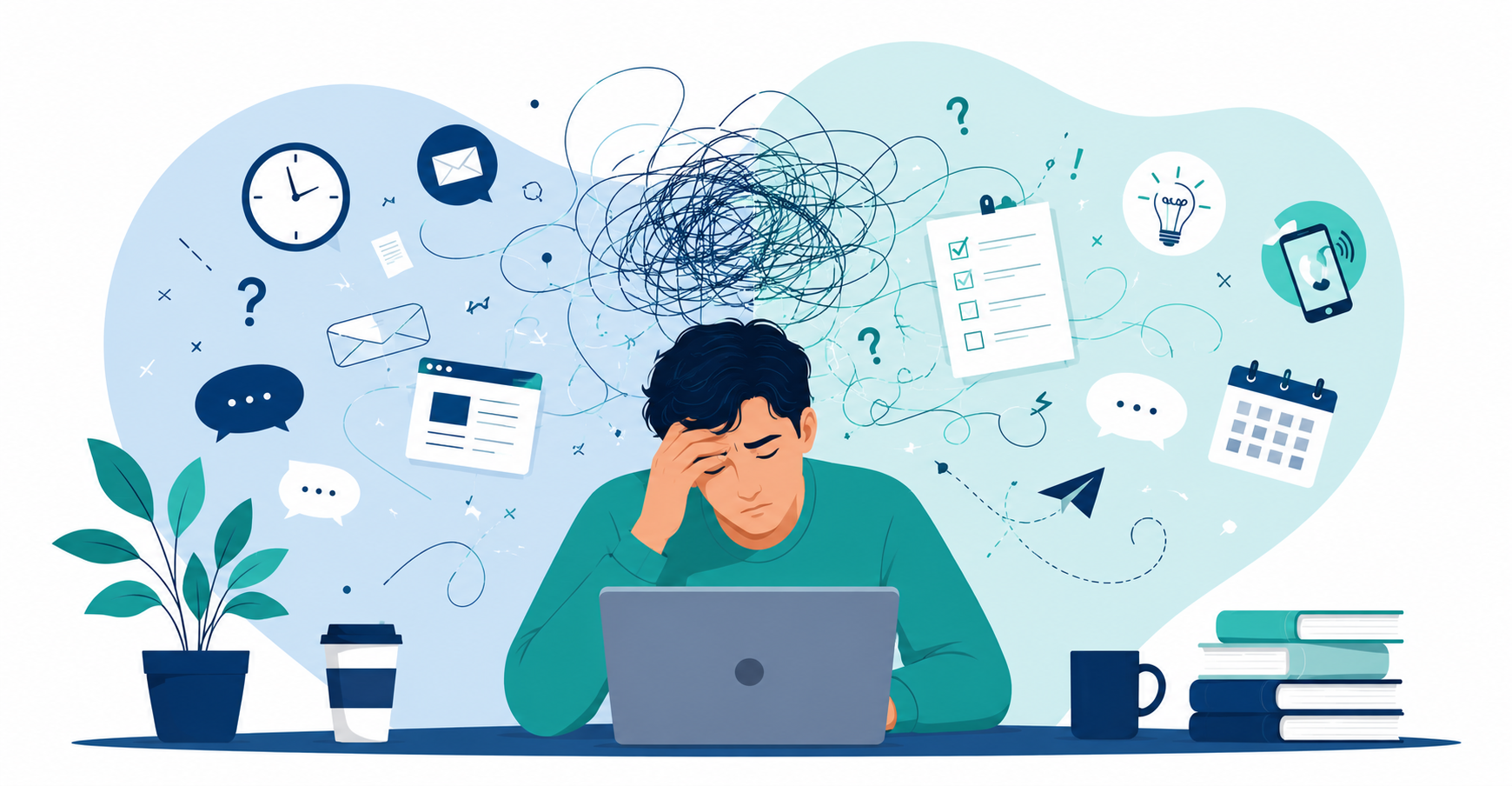
Attention-Deficit/Hyperactivity Disorder (ADHD) is a brain-based developmental condition that affects how a person regulates attention, activity levels, impulses, and executive functions such as planning and organization.
According to the American Psychiatric Association, ADHD is classified as a neurodevelopmental disorder. It is not simply a problem with motivation or intelligence.
Adults with ADHD may experience:
-
Difficulty maintaining focus
-
Problems completing tasks
-
Forgetfulness
-
Poor time management
-
Impulsive choices
-
Emotional regulation challenges
-
Restlessness or feeling constantly “on the go.”
ADHD symptoms vary widely. Some adults mainly experience attention problems, while others experience more impulsivity or hyperactivity.
What Is Adult ADHD in Urdu
ADHD (Attention-Deficit/Hyperactivity Disorder) ایک ذہنی و اعصابی کیفیت ہے جو صرف بچوں ہی نہیں بلکہ بالغ افراد کو بھی متاثر کر سکتی ہے۔ بالغوں میں ADHD کی علامات میں توجہ برقرار رکھنے میں دشواری، بھول جانا، وقت کا مؤثر انتظام نہ کر پانا، بے چینی، اور جلد بازی میں فیصلے کرنا شامل ہو سکتے ہیں۔ اگر اس کی بروقت تشخیص اور مناسب علاج نہ کیا جائے تو یہ کام، تعلیم، اور ذاتی تعلقات پر منفی اثر ڈال سکتا ہے۔
Common Symptoms of ADHD in Adults
Adult ADHD symptoms are usually grouped into three areas:
1. Inattention Symptoms
Adults with inattentive ADHD may:
-
Frequently lose important items such as keys, phones, or documents
-
Make careless mistakes at work
-
Struggle to follow conversations
-
Avoid tasks requiring prolonged concentration
-
Forget appointments or deadlines
-
Become easily distracted
-
Have difficulty organizing responsibilities
Must read: "Mental Health In Pakistan: Why Millions Are Suffering In Silence"
2. Hyperactivity Symptoms
Hyperactivity in adults may appear differently than in children.
Examples include:
-
Feeling restless internally
-
Difficulty relaxing
-
Excessive talking
-
Constantly needing activity or stimulation
-
Trouble sitting through long meetings or lectures
3. Impulsivity Symptoms
Adults may:
-
Interrupt others frequently
-
Make quick decisions without considering consequences
-
Spend money impulsively
-
Have difficulty waiting
-
Respond emotionally before thinking
More read: "Which Mental Health Specialist Is Right for You? Complete 2026 Guide"
ADHD Symptoms in Adults vs Normal Stress or Busy Lifestyle
Not every attention problem means ADHD. Stress, anxiety, depression, sleep problems, thyroid disorders, and burnout can also affect concentration.
|
Feature |
Adult ADHD |
Temporary Stress |
|
Duration |
Often present since childhood and persistent |
Usually linked to a stressful period |
|
Attention problems |
Occur across multiple settings |
Often improves when stress decreases |
|
Organization issues |
Long-term pattern |
May appear recently |
|
Impulsivity |
Repeated pattern |
Less typical |
|
Daily impact |
Affects work, relationships, responsibilities |
Usually situation-specific |
Important: A healthcare professional evaluates the overall pattern rather than a single symptom.
What Causes ADHD in Adults?
The exact cause of ADHD is not completely understood. Research suggests that ADHD develops through a combination of genetic, neurological, and environmental factors.
Genetic Factors
ADHD has a strong genetic component. Adults with ADHD are more likely to have close family members with ADHD.
Brain Development and Neurobiology
Studies show differences in brain networks involved in:
-
Attention control
-
Executive function
-
Motivation
-
Impulse regulation
Brain chemical systems involving neurotransmitters such as dopamine and norepinephrine are also involved.
Environmental Factors
Possible contributing factors include:
-
Premature birth
-
Low birth weight
-
Exposure to certain toxins during pregnancy
-
Early developmental risks
Researchers continue studying how genetics and environment interact.
Risk Factors for Adult ADHD
Factors associated with increased likelihood include:
-
Family history of ADHD
-
Childhood ADHD symptoms
-
Premature birth
-
Certain pregnancy complications
-
Brain injury affecting attention systems
-
Other mental health conditions
Having risk factors does not confirm ADHD. Diagnosis requires professional assessment.
Must read: "Mental Health Treatment In Pakistan: Symptoms, Causes, Recovery & More"
How Is ADHD Diagnosed in Adults?
There is no single blood test, brain scan, or laboratory test that confirms ADHD.
Diagnosis usually involves:
1. Clinical Interview
A doctor or mental health professional reviews:
-
Current symptoms
-
Childhood history
-
Education and work experiences
-
Relationships
-
Daily functioning
2. Symptom Assessment Tools
Clinicians may use validated questionnaires such as:
-
Adult ADHD Self-Report Scale (ASRS)
-
Structured clinical interviews
These tools support diagnosis but do not replace professional judgment.
3. Checking Other Conditions
A healthcare provider may evaluate for:
-
Anxiety disorders
-
Depression
-
Substance use problems
-
Learning difficulties
This helps ensure symptoms are correctly identified.
Must read: "Early Signs Of Schizophrenia: Symptoms You Should Never Ignore"
Adult ADHD Treatment Options
ADHD treatment usually combines medical care, psychological support, and lifestyle strategies.
1. ADHD Medications
Medications are among the most researched treatments for ADHD.
Common categories include:
Stimulant Medications
Examples include medications containing:
-
Methylphenidate
-
Amphetamine-based medicines
They may improve attention and reduce impulsivity in many patients.
Non-Stimulant Medications
Options may include:
-
Atomoxetine
-
Other non-stimulant ADHD medicines, depending on individual circumstances
Medication decisions should always be made with a qualified healthcare professional because suitability depends on medical history and individual needs.
2. Cognitive Behavioral Therapy (CBT)
CBT may help adults develop skills for:
-
Organization
-
Time management
-
Managing negative thoughts
-
Improving emotional regulation
3. ADHD Coaching and Skills Training
Some adults benefit from structured support focusing on:
-
Planning systems
-
Habit development
-
Productivity strategies
-
Goal management
Lifestyle Strategies That May Help Adults With ADHD
Lifestyle approaches do not replace medical treatment but can support overall management.
Helpful strategies may include:
-
Maintaining a consistent sleep schedule
-
Using calendars and reminders
-
Breaking large tasks into smaller steps
-
Creating organized work environments
-
Exercising regularly
-
Managing stress
-
Limiting distractions during important tasks
Nutrition and ADHD
No specific diet has been proven to cure ADHD. However, balanced nutrition supports overall brain and physical health.
A healthy eating pattern generally includes:
-
Protein-rich foods
-
Vegetables and fruits
-
Whole grains
-
Adequate hydration
In Pakistan, traditional meals that include lentils, vegetables, eggs, fish, chicken, nuts, and whole grains can support overall health when part of a balanced diet.
More read: "15 Common Reasons For Headaches: Types, Warning Signs & When To See A Doctor"
ADHD in Adults in Pakistan: Awareness and Healthcare Considerations
Mental health awareness in Pakistan is improving, but ADHD in adults may still be underrecognized.
Common challenges include:
-
Limited awareness that ADHD can continue into adulthood
-
Misunderstanding symptoms as personality problems
-
Delayed mental health consultation
-
Shortage of specialized services in some regions
Adults experiencing persistent attention problems, academic/work difficulties, or relationship challenges should consider evaluation by qualified mental health professionals.
Apka Muaalij provides access to healthcare guidance and online consultation support from qualified professionals. For assistance, contact 042-32377001.
Complications of Untreated Adult ADHD
Without appropriate support, ADHD may contribute to difficulties with:
-
Academic performance
-
Career progress
-
Financial management
-
Relationships
-
Self-confidence
-
Emotional wellbeing
ADHD does not determine a person’s abilities or potential. Many adults with ADHD succeed with appropriate treatment and support.
Common Myths About Adult ADHD
“ADHD is only a childhood condition.”
False. ADHD often begins in childhood but may continue throughout adulthood.
“People with ADHD are simply lazy.”
False. ADHD involves differences in attention regulation and executive functioning.
“Medication is the only treatment.”
False. Treatment may include therapy, behavioral strategies, lifestyle changes, and medication when appropriate.
Also read: "How Family Pressure In Pakistan Affects Mental Health & How To Fix It"
When Should Adults Seek Medical Help?
Consider professional evaluation if attention or impulsivity problems:
-
Affect work or studies
-
Damage relationships
-
Create repeated mistakes
-
Make daily tasks difficult
-
Cause distress
A qualified healthcare professional can determine whether symptoms are related to ADHD or another condition.
Professional Support for Erectile Dysfunction in Pakistan
If attention problems, impulsivity, or organization difficulties are affecting your life, consider discussing your concerns with a qualified healthcare professional. Through Apka Muaalij, you can consult experienced psychiatrists, psychologists, and healthcare professionals for confidential and evidence-based support tailored to your needs.
Support options include:
-
In-person appointments (where available)
-
Comprehensive mental health and sexual health assessment
-
Personalized treatment planning
📞 Call Apka Muaalij: 042-32377001 for confidential assistance and appointment booking.
Frequently Asked Questions (FAQs)
1. Can ADHD develop for the first time in adulthood?
ADHD is generally considered a neurodevelopmental condition that begins earlier in life. Some adults receive a diagnosis later because symptoms were missed during childhood or became more noticeable as responsibilities increased.
2. What are the first signs of ADHD in adults?
Common signs include difficulty focusing, poor organization, forgetfulness, procrastination, impulsive decisions, and trouble managing time. Symptoms must be persistent and interfere with daily functioning to suggest ADHD.
3. How is adult ADHD different from childhood ADHD?
Children often exhibit hyperactivity, while adults may experience internal restlessness, difficulty managing responsibilities, and executive-function challenges, such as planning and prioritizing.
4. Can anxiety look like ADHD?
Yes. Anxiety can cause concentration problems, restlessness, and forgetfulness. A professional assessment helps distinguish ADHD from anxiety and other conditions.
5. Is ADHD genetic?
Research shows ADHD has a strong genetic influence. Having a family member with ADHD increases the likelihood, but genetics are not the only factor involved.
6. Can adults with ADHD live normal, successful lives?
Yes. Many adults with ADHD achieve personal and professional success. Proper diagnosis, treatment, and support strategies can improve functioning.
7. Does ADHD medication cure the condition?
ADHD medication does not cure ADHD. It may reduce symptoms and improve functioning when prescribed appropriately.
8. Can diet alone treat ADHD?
Current evidence does not support diet alone as a complete treatment for ADHD. Healthy nutrition may support overall well-being, but should not replace professional care.
9. Is ADHD testing available for adults?
Yes. Adult ADHD evaluation involves clinical interviews, symptom assessments, and evaluation of personal history by trained healthcare professionals.
10. When should someone with ADHD symptoms see a doctor?
A person should seek medical advice when symptoms interfere with work, relationships, education, or daily responsibilities.
Disclaimer: This article is intended for educational and informational purposes only. It is not a substitute for professional medical advice, diagnosis, or treatment. Always consult a qualified healthcare professional regarding any medical condition, symptoms, or treatment decisions. Never delay seeking medical advice because of information you have read in this article.

Find & Book the best "Psychiatrist" near you
Book Appointment