

Benefits Of Surah Rahman: Spiritual, Psychological & Life Lessons

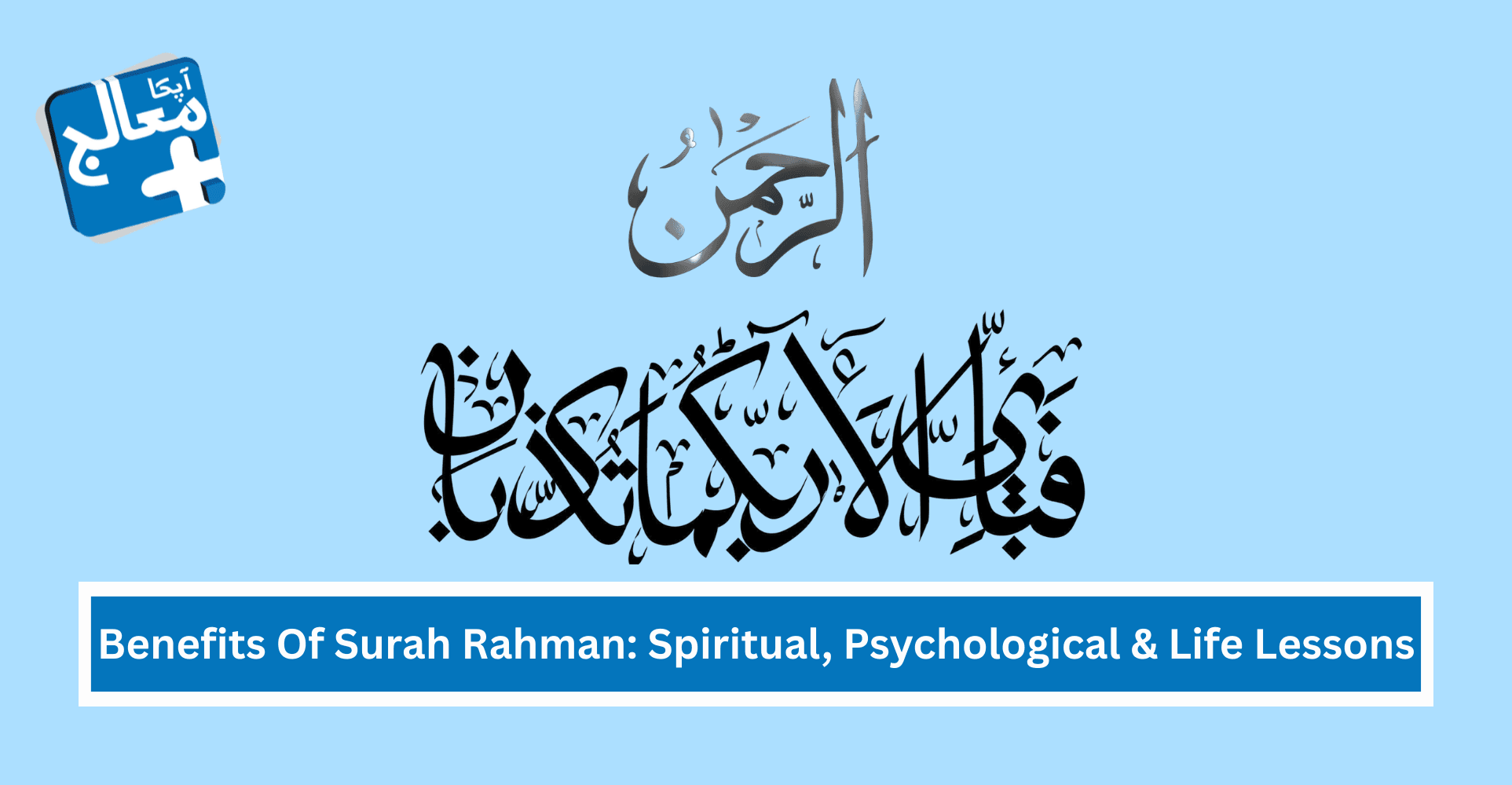
Surah Ar-Rahman is one of the most captivating chapters of the Quran. Its rhythmic verses, powerful imagery, and recurring question create a profound spiritual experience for anyone who recites or listens to it. For many Muslims, Surah Rahman is not only a chapter to read but a source of reflection, gratitude, and emotional peace.
This guide explores the benefits of Surah Rahman, its spiritual impact, its psychological influence, and the deeper lessons it offers. By the end, you will understand why this chapter holds such a special place in Islamic tradition and how its message can transform everyday life.
Key Takeaways
-
Surah Rahman is the 55th chapter of the Quran, emphasizing Allah’s mercy and blessings.
-
The verse “Which of the favors of your Lord will you deny?” appears 31 times to encourage gratitude.
-
Reciting or listening to the chapter can promote spiritual reflection, emotional calm, and deeper faith.
-
Its themes include divine mercy, balance in creation, accountability, and the rewards of paradise.
-
Regular reflection on Surah Rahman helps cultivate gratitude, mindfulness, and ethical living.
What Is Surah Rahman?
Surah Rahman is the 55th chapter of the Quran, consisting of 78 verses and located in Juz 27. The name “Ar-Rahman” means “The Most Merciful,” one of the most significant names of Allah.
The chapter highlights the mercy of Allah through:
-
The creation of the universe
-
Natural phenomena
-
Human blessings
-
The balance of nature
-
Rewards of Paradise
-
Warnings of accountability
A defining feature of the surah is the repeated verse:
“So which of the favors of your Lord will you deny?”
(Quran 55)
This verse appears 31 times, constantly reminding readers of the countless blessings they receive.
Why Surah Rahman Is Called the “Bride of the Quran”
Many classical scholars describe Surah Rahman as the “Bride of the Quran.”
This title reflects the chapter’s:
-
Extraordinary linguistic beauty
-
Powerful emotional rhythm
-
Vivid descriptions of paradise
-
Repeated invitation to gratitude
Its structure moves between divine mercy, natural creation, and the ultimate consequences of human choices, making it both spiritually uplifting and intellectually reflective.
Core Themes of Surah Rahman
Understanding the benefits of Surah Rahman requires understanding its central themes.
1. Divine Mercy
The chapter opens with the name Ar-Rahman, emphasizing that Allah’s mercy precedes everything else.
2. The Balance of Creation
Verses describe the sun, moon, oceans, plants, and the delicate balance that sustains life.
3. Accountability
The surah reminds both humans and jinn that they will ultimately answer for their actions.
4. The Rewards of Paradise
Detailed descriptions of gardens, rivers, fruits, and eternal peace inspire believers to strive for righteousness.
5. Gratitude
The repeated verse invites continuous reflection on blessings.
12 Powerful Benefits of Surah Rahman
1. Strengthens Awareness of Allah’s Mercy
One of the greatest benefits of Surah Rahman is its ability to deepen awareness of Allah’s mercy.
Every section of the chapter highlights a blessing:
-
Human creation
-
Knowledge
-
Nature
-
Sustenance
-
The promise of paradise
This structure constantly reminds believers that life itself is a manifestation of divine mercy.
Over time, regular recitation builds a mindset centered on gratitude and reliance on Allah.
2. Encourages Deep Gratitude
The repeated verse in Surah Rahman serves as a powerful psychological trigger.
It asks the reader:
Which blessing of your Lord will you deny?
By repeating this question, the surah encourages reflection on:
-
Health
-
Family
-
Knowledge
-
Provision
-
Nature
Gratitude has measurable psychological benefits. Research published in the Journal of Personality and Social Psychology shows that gratitude practices improve emotional well-being and reduce stress.
For believers, Surah Rahman naturally cultivates this habit.
3. Promotes Emotional Peace and Mental Calm
Many Muslims report that listening to Surah Rahman brings immediate calmness.
Several studies examining Quran recitation support this experience. Research published in the Journal of Religion and Health found that listening to Quranic recitation can significantly reduce anxiety and stress levels.
Surah Rahman is particularly effective because of:
-
Its rhythmic repetition
-
Balanced verse structure
-
Soothing phonetic patterns
These elements create a calming effect similar to meditation.
4. Strengthens Faith (Iman)
Surah Rahman repeatedly points to signs of Allah’s power:
-
The sun and moon in precise orbits
-
Oceans are separated by barriers
-
Plants growing in balance
These verses strengthen belief by encouraging reflection on the natural world.
In Islamic theology, observing creation is considered a path toward stronger faith.
5. Increases Reflection on the Natural World
Surah Rahman encourages readers to observe nature.
It highlights:
-
Celestial movements
-
Marine life
-
Fruits and vegetation
-
Natural balance
This perspective aligns with modern environmental awareness. By recognizing creation as a sign of divine wisdom, believers develop greater respect for nature.
6. Inspires Hope in the Hereafter
The surah provides vivid descriptions of paradise:
-
Gardens with flowing rivers
-
Shade and comfort
-
Delicious fruits
-
Eternal peace
These images offer hope and motivation for believers.
They remind readers that worldly struggles are temporary, while the rewards of the afterlife are everlasting.
7. Encourages Moral Responsibility
Surah Rahman does not only discuss blessings. It also reminds humans and jinn of accountability.
This balance between mercy and responsibility encourages:
-
Ethical behavior
-
Honesty
-
Justice
-
Compassion toward others
The surah teaches that gratitude must be expressed through righteous actions.
8. Strengthens Family and Community Reflection
Reciting Surah Rahman together can be a powerful family practice.
Many households read it during:
-
Evening reflections
-
Ramadan gatherings
-
Quran study sessions
Its themes of gratitude and mercy create opportunities for discussions about faith, morality, and daily blessings.
9. Encourages Mindfulness and Reflection
The repeated question in Surah Rahman slows the reader down.
Instead of rushing through the text, the verse invites pauses for contemplation.
This encourages a form of spiritual mindfulness, where believers consciously reflect on life’s blessings.
10. Supports Spiritual Healing
Many Muslims turn to Surah Rahman during difficult moments such as grief, stress, or uncertainty.
The chapter’s focus on mercy, balance, and divine care helps restore emotional equilibrium.
Islamic scholars emphasize that the Quran serves as guidance and healing for the heart.
Surah Rahman is often among the chapters people recite when seeking comfort.
11. Reinforces the Importance of Justice and Balance
One striking theme of the surah is balance (mizan) in creation.
The Quran states that Allah established balance in the universe and warns humans not to disturb it.
This principle applies to:
-
Social justice
-
Economic fairness
-
Environmental responsibility
The message is clear: human beings must live in harmony with divine balance.
12. Deepens Love for the Quran
Many people begin memorizing the Quran through Surah Rahman because of its beautiful rhythm.
Its poetic structure makes it memorable and engaging.
As a result, it often becomes a gateway for deeper Quranic study.
Key Lessons From Surah Rahman
|
Lesson |
Meaning |
Life Application |
|
Divine mercy |
Allah’s mercy surrounds creation |
Develop trust and hope |
|
Gratitude |
Blessings should be recognized. |
Practice daily gratitude |
|
Balance in creation |
Nature operates in harmony |
Respect environment |
|
Accountability |
Humans are responsible for their actions |
Live ethically |
|
Rewards of paradise |
Good deeds bring eternal reward |
Stay motivated spiritually |
How to Incorporate Surah Rahman Into Daily Life
Many Muslims seek practical ways to benefit from this chapter.
Here are effective approaches.
1. Recite With Understanding
Reading translation and tafsir helps deepen the experience.
2. Reflect After Each Repeated Verse
Pause and think about one blessing in your life.
3. Listen During Quiet Moments
Listening during travel or before sleep can calm the mind.
4. Memorize Gradually
Memorizing sections improves concentration during prayer.
5. Discuss Its Meaning With Family
Reflection becomes more powerful when shared.
Common Misconceptions About Surah Rahman
Several beliefs circulate online that require clarification.
"It Guarantees Immediate Solutions to Problems"
No authentic Islamic sources state that reciting Surah Rahman automatically solves worldly problems within a specific number of days.
"It Is Only for Marriage or Wealth"
While the surah encourages blessings and gratitude, its purpose is far broader.
It is primarily a chapter about divine mercy and reflection on creation.
"It Has a Fixed Recitation Time"
Islamic scholarship confirms that the Quran can be recited at any time, unless during prohibited prayer times.
Need Healthcare Assistance?
For professional guidance on combining spiritual well-being with modern healthcare, visit Apka Muaalij, Pakistan’s no.1 telehealth platform, or consult a top Muslim psychologist near you. Their experts can guide you toward overall health and spiritual balance, right from your home.
Frequently Asked Questions (FAQs)
Is Surah Rahman considered a powerful Surah?
Yes. Surah Rahman is widely regarded as one of the most powerful and beautiful chapters of the Quran. Its emphasis on Allah’s mercy, repeated reminders of blessings, and vivid descriptions of paradise make it spiritually impactful for many believers.
What is the main message of Surah Rahman?
The central message of Surah Rahman is that Allah’s mercy and blessings surround creation, and humans must recognize these gifts with gratitude, humility, and righteous actions. The repeated verse asking which blessings we deny reinforces this message.
Why is the verse repeated 31 times in Surah Rahman?
The repeated verse serves as a rhetorical device that emphasizes reflection and gratitude. Each repetition follows a description of a blessing or sign of creation, prompting readers to acknowledge Allah’s generosity.
Does Surah Rahman help reduce stress?
Many believers experience emotional calm while listening to or reciting Surah Rahman. Scientific research on Quran recitation has shown potential stress-reducing effects, as rhythmic recitation can promote relaxation and mental clarity.
Can Surah Rahman be recited daily?
Yes. Muslims can recite Surah Rahman daily if they wish. Regular recitation encourages reflection on blessings, strengthens faith, and deepens spiritual awareness.
What is the best time to read Surah Rahman?
There is no strictly prescribed time for reciting Surah Rahman. Many people choose to read it after Fajr, during quiet moments, or before sleeping because these times support reflection and concentration.
Is Surah Rahman related to protection from evil?
While Muslims often recite the Quran for spiritual comfort and protection, specific claims about Surah Rahman providing guaranteed protection from evil or jinn should be approached carefully unless supported by authentic sources.
How long does it take to recite Surah Rahman?
Most reciters complete Surah Rahman in 10 to 15 minutes, depending on recitation speed and tajweed practice.
Can listening to Surah Rahman provide the same benefits as reading it?
Listening to Quran recitation can also provide spiritual comfort and emotional calm. However, actively reciting and reflecting on the verses may deepen engagement and understanding.
Why do many people memorize Surah Rahman?
Its rhythmic structure, repeated verse, and powerful imagery make it easier to memorize than many other chapters. Its themes also resonate deeply with believers.
Disclaimer: This article provides educational and spiritual insights about Surah Rahman based on Islamic teachings and general research on Quran recitation. It should not be interpreted as medical, psychological, or guaranteed spiritual advice. For religious rulings or personal guidance, consult qualified Islamic scholars or trusted religious authorities.

Find & Book the best "Muslim Psychologist" near you
Book Appointment