

Bipolar Disorder In Pakistan: Symptoms, Types, Treatment (2026 Updated)


Extreme mood swings can affect anyone occasionally, but bipolar disorder is a serious mental health condition that goes far beyond everyday emotional ups and downs. People with bipolar disorder experience episodes of mania (or hypomania) and depression that can last for days or weeks, disrupting work, education, relationships, finances, and overall quality of life.
In Pakistan, awareness of bipolar disorder is improving, yet many people remain undiagnosed because symptoms are often mistaken for stress, personality traits, depression alone, or even spiritual problems. Limited access to mental healthcare, social stigma, and delayed psychiatric evaluation further contribute to late diagnosis and treatment.
The encouraging news is that bipolar disorder is highly treatable. With timely diagnosis, appropriate medications, psychotherapy, family support, and healthy lifestyle habits, many people live stable, productive, and fulfilling lives.
Let's dive into this evidence-based guide now.
Need expert mental health guidance?
If you or a loved one is experiencing persistent mood swings, depression, or unusually elevated moods, consult a qualified top psychiatrist in Pakistan as early as possible. For appointments or specialist guidance, contact Apka Muaalij at 042-32377001 for professional assistance.
Quick Answer
Bipolar disorder is a chronic mental health condition characterized by recurring episodes of mania (or hypomania) and depression. It is diagnosed through a detailed psychiatric evaluation and is treated using mood stabilizers, psychotherapy, lifestyle management, and regular follow-up. Early treatment significantly reduces relapses and improves long-term quality of life.
Must read: "Suicidal Thoughts: Signs, Causes & Where To Get Help In Pakistan"
Key Takeaways
-
Bipolar disorder is a chronic but treatable mental health condition.
-
Episodes of mania and depression are more severe than ordinary mood changes.
-
Early diagnosis improves long-term outcomes and reduces relapse.
-
Medication combined with psychotherapy remains the most effective treatment.
-
Healthy sleep, stress management, and avoiding substance misuse help maintain stability.
-
Family involvement and ongoing psychiatric care are essential for recovery.
What Is Bipolar Disorder?
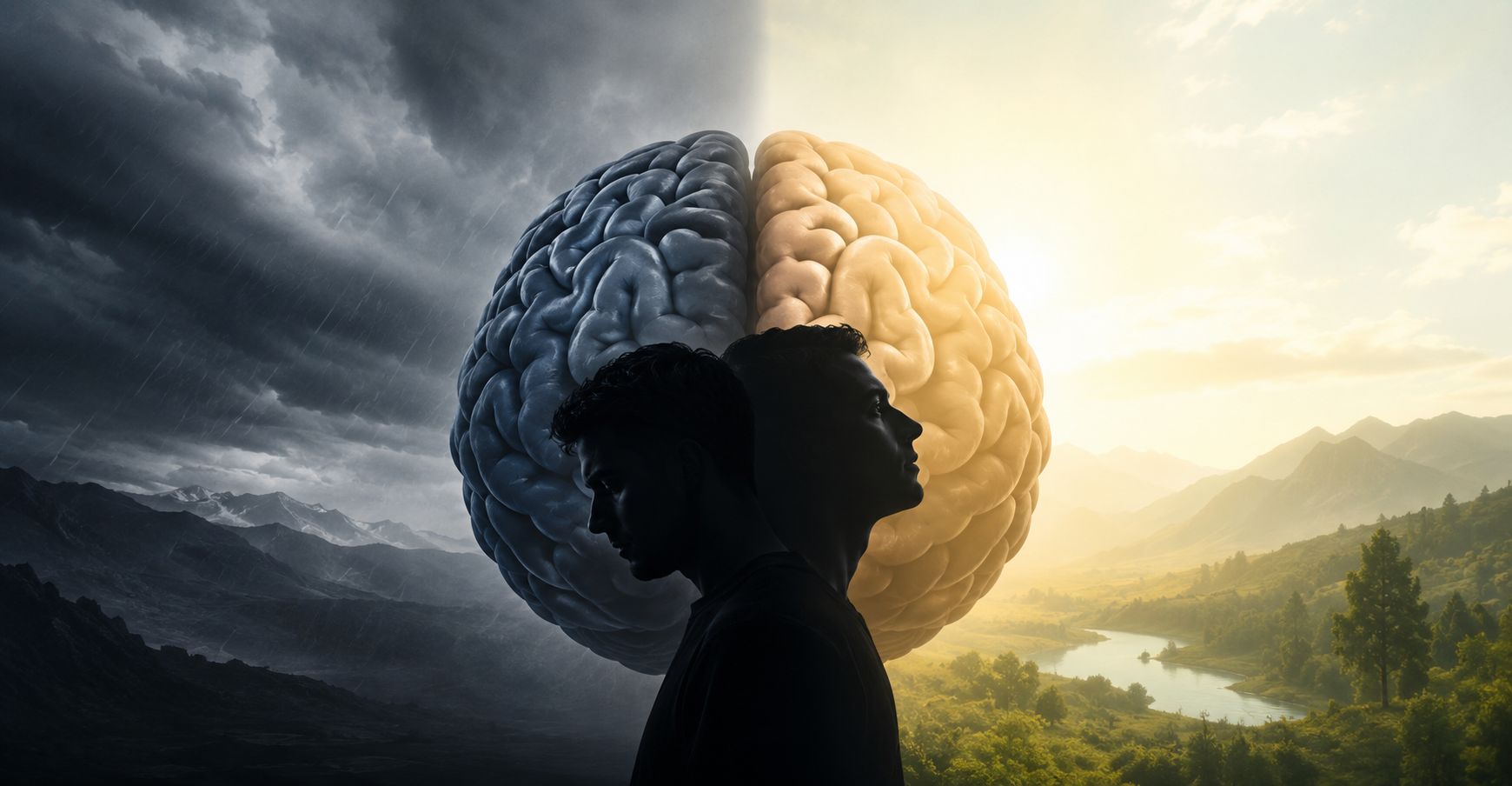
Bipolar disorder, previously known as manic-depressive illness, is a long-term psychiatric condition affecting mood, energy, activity levels, sleep, thinking, and behavior.
Unlike normal mood changes, bipolar episodes are:
-
More intense
-
The last several days to weeks
-
Affect daily functioning
-
Often requires medical treatment
According to the World Health Organization (WHO), bipolar disorder affects approximately 40 million people worldwide, making it one of the leading causes of disability among young adults.
Bipolar Disorder in Urdu
بائی پولر ڈس آرڈر کو اردو میں عموماً دو قطبی مزاجی عارضہ یا مینک ڈپریشن کہا جاتا ہے۔
یہ ایک ذہنی بیماری ہے جس میں مریض کبھی غیر معمولی خوشی، توانائی اور بے خوابی (مینیا) جبکہ کبھی شدید اداسی، مایوسی اور تھکن (ڈپریشن) کا شکار ہوتا ہے۔
یہ بیماری قابل علاج ہے، اور مناسب ادویات، نفسیاتی علاج اور خاندانی تعاون سے مریض معمول کی زندگی گزار سکتے ہیں۔
Related Articles:
- Does Seeing A Psychologist In Pakistan Mean You’re “Crazy”?
- Telepsychiatry In Pakistan: What It Is, How It Works, Benefits & Best Platforms
- Early Signs Of Bipolar Disorder: 13 Warning Symptoms You Shouldn’t Ignore
Types of Bipolar Disorder
Not everyone experiences bipolar disorder in the same way.
|
Type |
Mania |
Depression |
Main Features |
|
Bipolar I Disorder |
Severe mania |
Usually present |
A full manic episode lasting at least one week or requiring hospitalization |
|
Bipolar II Disorder |
Hypomania |
Major depression |
No full mania; depression is often more disabling |
|
Cyclothymic Disorder |
Mild hypomania |
Mild depression |
Mood fluctuations lasting at least two years without meeting full diagnostic criteria |
|
Other Specified Bipolar Disorders |
Variable |
Variable |
Symptoms don't fully meet standard criteria but still require treatment |
Bipolar I vs Bipolar II
|
Feature |
Bipolar I |
Bipolar II |
|
Full Mania |
Yes |
No |
|
Hypomania |
May occur |
Required |
|
Major Depression |
Common |
Required |
|
Hospitalization |
More common |
Less common |
|
Psychosis |
Possible |
Rare |
Symptoms of Bipolar Disorder

Symptoms occur in distinct mood episodes, not simultaneously in most cases.
Symptoms of Mania
During mania, a person may experience:
-
Extremely elevated mood
-
Irritability
-
Excessive confidence
-
Reduced need for sleep
-
Rapid speech
-
Racing thoughts
-
Increased energy
-
Impulsive spending
-
Risky driving
-
Reckless investments
-
Increased sexual activity
-
Distractibility
-
Poor judgment
Severe mania may include:
-
Delusions
-
Hallucinations
-
Aggressive behavior
-
Hospitalization
Symptoms of Hypomania
Hypomania resembles mania but is milder.
People often appear:
-
Highly productive
-
More social
-
Energetic
-
Confident
Because functioning may seem improved, hypomania frequently goes unnoticed, delaying diagnosis.
Must read: "How To Find The Right Psychiatrist In Pakistan (2026 Urdu Guide)"
Symptoms of Depression
Common symptoms include:
-
Persistent sadness
-
Hopelessness
-
Loss of interest
-
Sleep disturbances
-
Appetite changes
-
Weight changes
-
Difficulty concentrating
-
Feelings of guilt
-
Slow movements
-
Low motivation
-
Suicidal thoughts
Mixed Episodes
Some individuals experience symptoms of mania and depression simultaneously.
These episodes often include:
-
Restlessness
-
Racing thoughts
-
Hopelessness
-
Agitation
-
High suicide risk
Mixed episodes require urgent psychiatric evaluation.
Early Warning Signs of Bipolar Disorder
Many episodes begin gradually.
Possible early warning signs include:
-
Sleeping much less
-
Talking faster
-
Increased spending
-
Unusual confidence
-
Irritability
-
Starting multiple projects
-
Social withdrawal
-
Persistent sadness
-
Neglecting responsibilities
Recognizing these signs early may help prevent severe episodes.
Must read: "Memory Loss: Normal Or Serious? Find Out Before It's Too Late"
What Causes Bipolar Disorder?
There is no single cause.
Research suggests an interaction between genetics, brain function, and environmental factors.
Major contributing factors include:
Genetics
Family history significantly increases risk.
Having a first-degree relative with bipolar disorder increases the likelihood of developing the condition.
Brain Chemistry
Differences in neurotransmitters such as:
-
Dopamine
-
Serotonin
-
Glutamate
-
Norepinephrine
May contribute to mood instability.
Stressful Life Events
Episodes may be triggered by:
-
Bereavement
-
Divorce
-
Job loss
-
Financial problems
-
Trauma
-
Serious illness
Sleep Disruption
Poor sleep is both:
-
A symptom
-
A major trigger
In Pakistan, sleep changes during Ramadan, examination periods, shift work, or travel can contribute to relapse in susceptible individuals.
Substance Misuse
Alcohol, cannabis, cocaine, amphetamines, and certain recreational drugs may worsen bipolar disorder or trigger manic episodes.
Must read: "10 Mental Health Myths Pakistani Families Should Stop Believing"
Bipolar Disorder Risk Factors
Risk increases with:
-
Family history
-
Childhood trauma
-
Chronic stress
-
Sleep deprivation
-
Substance use
-
Previous depressive episodes
-
Certain medications (such as antidepressants without mood stabilizers in susceptible individuals)
Concerned about recurring mood episodes?
Early assessment by a psychiatrist can prevent complications and improve long-term outcomes. Speak with a qualified mental health specialist through Apka Muaalij or call 042-32377001 to discuss your symptoms confidentially.
How Is Bipolar Disorder Diagnosed?
No blood test confirms bipolar disorder.
Diagnosis involves:
-
Comprehensive psychiatric interview
-
Medical history
-
Family history
-
Mood episode timeline
-
Sleep history
-
Medication review
-
Mental status examination
Doctors may request laboratory tests to exclude other medical conditions, such as:
-
Vitamin B12 deficiency
-
Electrolyte disorders
-
Substance-related conditions
Diagnosis follows internationally accepted criteria outlined in the Diagnostic and Statistical Manual of Mental Disorders (DSM-5-TR) or the International Classification of Diseases (ICD-11).
Related Articles:
- What Are The Best Medicines For ADHD In Pakistan?
- ADHD in Adults: Symptoms, Causes, Diagnosis, and Treatment Guide (2026)
- Early Warning Signs Of Schizophrenia In Urdu, Causes & Treatments (In Teens)
How Is Bipolar Disorder Treated?
Treatment is individualized and usually combines medication with psychological support.
1. Mood Stabilizers
Commonly prescribed medications include:
-
Lithium
-
Valproate
-
Lamotrigine
-
Carbamazepine
These medications reduce both manic and depressive relapses.
2. Atypical Antipsychotics
Examples include:
-
Quetiapine
-
Olanzapine
-
Risperidone
-
Aripiprazole
-
Lurasidone (for bipolar depression in selected patients)
These may be used alone or with mood stabilizers, depending on the episode.
3. Psychotherapy
Evidence-based therapies include:
-
Family-Focused Therapy
-
Psychoeducation
-
Interpersonal and Social Rhythm Therapy
Family education is particularly valuable in Pakistan, where relatives often play a central role in care.
4. Lifestyle Management
Helpful habits include:
-
Maintaining regular sleep schedules
-
Daily exercise
-
Avoiding alcohol and recreational drugs
-
Medication adherence
-
Mood tracking
-
Healthy nutrition
Must read: "Reduce Workplace Stress In Pakistan Before It Costs You More"
Can Bipolar Disorder Be Cured?
Currently, bipolar disorder cannot be cured, but it can be effectively managed.
Many individuals:
-
Complete higher education
-
Maintain careers
-
Raise families
-
Enjoy stable relationships
When they receive continuous treatment and follow-up.
Complications if Left Untreated
Untreated bipolar disorder may lead to:
-
Relationship problems
-
Financial difficulties
-
Job loss
-
Academic decline
-
Substance misuse
-
Legal problems
-
Psychosis
-
Suicide attempts
Early intervention significantly reduces these risks.
Living with Bipolar Disorder in Pakistan
Practical strategies include:
-
Follow medication exactly as prescribed.
-
Never stop medication abruptly.
-
Keep regular psychiatric appointments.
-
Inform trusted family members about warning signs.
-
Develop a relapse prevention plan.
-
Prioritize healthy sleep routines.
-
Avoid recreational drugs and alcohol.
-
Use a mood diary or smartphone app to monitor changes.
Must read: "Need a Psychiatrist? 11 Signs You Shouldn't Ignore سنجیدہ علامات"
Bipolar Disorder Myths vs Facts
|
Myth |
Fact |
|
Bipolar disorder means frequent mood swings every hour. |
Mood episodes usually last for days or weeks. |
|
It results from weak willpower. |
It is a medical brain disorder. |
|
Medication changes personality. |
Proper treatment helps stabilize mood while preserving personality. |
|
Therapy alone can cure bipolar disorder. |
Most patients require medication alongside psychotherapy. |
|
People with bipolar disorder cannot succeed professionally. |
Many individuals lead successful personal and professional lives with effective treatment. |
Bipolar Disorder and Pregnancy
Women with bipolar disorder who are planning pregnancy or are pregnant should consult both a psychiatrist and an obstetrician before changing medications. Some mood stabilizers carry risks during pregnancy, and treatment decisions require individualized assessment to balance maternal and fetal health.
Get Bipolar Disorder Treated in Pakistan?
Regular follow-up with experienced psychiatrists, adherence to medication, and family support greatly improve outcomes. For specialist consultations and guidance, contact Apka Muaalij at 042-32377001.
Conclusion
Bipolar disorder is a complex but highly manageable mental health condition that affects millions of people worldwide, including many individuals in Pakistan. Recognizing the difference between ordinary mood changes and true manic or depressive episodes is the first step toward effective treatment. Evidence-based care—including mood stabilizers, psychotherapy, healthy lifestyle practices, and family support—can dramatically reduce relapses and improve quality of life.
If you or someone you know experiences persistent mood changes, prolonged depression, unusually elevated energy, or concerning behavioral changes, seek evaluation from a qualified psychiatrist without delay. Early diagnosis and ongoing care offer the best chance for long-term stability and recovery.
Frequently Asked Questions (FAQs)
1. What are the first signs of bipolar disorder?
Early signs may include reduced need for sleep, unusually high energy, rapid speech, impulsive behavior, persistent sadness, loss of interest, and noticeable changes in daily functioning. Symptoms often develop gradually, making early recognition important.
2. Is bipolar disorder common in Pakistan?
Yes. Although precise national prevalence estimates vary, bipolar disorder is a significant public health concern in Pakistan and remains underdiagnosed due to stigma, limited mental health resources, and delayed access to psychiatric care.
3. Can bipolar disorder be cured permanently?
No. Bipolar disorder is generally considered a lifelong condition, but it can be effectively managed with medication, psychotherapy, regular follow-up, and healthy lifestyle habits, allowing many people to lead productive lives.
4. What triggers bipolar episodes?
Common triggers include sleep deprivation, major life stress, stopping prescribed medication, substance misuse, and significant disruptions to daily routines. Individual triggers differ from person to person.
5. Is bipolar disorder hereditary?
Genetics plays an important role. Having a close family member with bipolar disorder increases the risk, but many people with a family history never develop the condition, indicating that environmental factors also contribute.
Must read: "Men’s Mental Health Challenges In Pakistan: Causes, Symptoms & Treatment"
6. Can someone with bipolar disorder work and study?
Yes. With effective treatment, many individuals complete education, maintain employment, and enjoy fulfilling personal lives. Consistent care and early recognition of relapse signs are key.
7. Is bipolar disorder different from depression?
Yes. Depression involves episodes of low mood only, while bipolar disorder includes episodes of depression together with mania or hypomania, requiring different treatment approaches.
8. How long does treatment usually continue?
Treatment is often long-term. Many people need ongoing medication and regular psychiatric monitoring to prevent relapse, even during periods when they feel well.
9. Should antidepressants be used alone in bipolar disorder?
Generally, antidepressants should not be used alone in bipolar disorder because they may trigger mania in some individuals. Treatment decisions should always be made by a psychiatrist.
10. When should someone seek immediate medical help?
Seek urgent psychiatric or emergency care if there are suicidal thoughts, psychotic symptoms (such as hallucinations or delusions), severe agitation, inability to care for oneself, or behavior that poses a risk to the individual or others.
Disclaimer: This article is for educational purposes only. It is not a substitute for professional medical advice, diagnosis, or treatment. Readers should consult qualified healthcare professionals regarding personal medical concerns.

Find & Book the best "Psychiatrist" near you
Book Appointment