

Breast Cancer Symptoms - Causes, Treatments, & Preventions
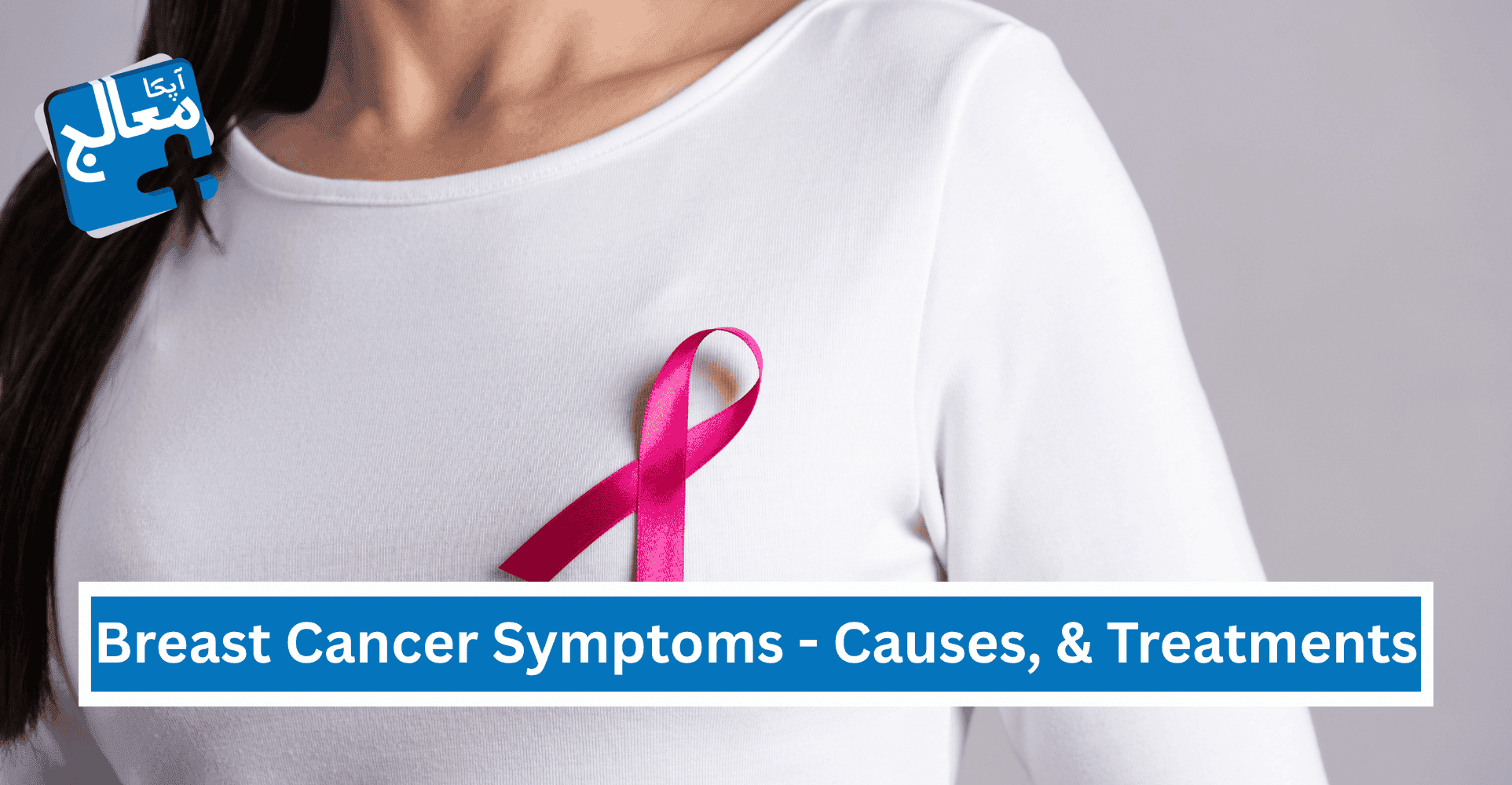
The most common and life-threatening cancer among women worldwide is breast cancer. In Pakistan, it is the leading cause of cancer-related deaths in women. Drawing attention towards its causes, symptoms, treatment, and preventive measures helps in earlier detection and decreases the mortality rate.
What is Breast Cancer?
Breast cancer in Urdu, چھاتی کا سرطان, چھاتی کا کینسر, occurs when there is an uncontrollable growth of abnormal cells in the breast. These abnormal, rapidly growing cells form a lump or mass called a tumor. There are generally two types of cancer: benign and malignant cancer. In Benign cancer,
tumors are non-cancerous and do not spread to other parts of the body; they remain confined to their site of origin. Cancerous tumors are cancerous and can invade nearby tissues; sometimes, they can invade the bloodstream or lymphatic system and spread to other parts of the body. When cancer spreads to another part of the body is called metastasis.
Also read: "Kishmish Benefits for Men: 15 Amazing Raisin Benefits for Sexual Health & Energy"
What are the Causes of Breast Cancer?
The exact cause of breast cancer is not known, but some risk factors increase the risk of breast cancer. These are the following risk factors:
Gender: Women are more susceptible to breast cancer, while men can also get the disease, but it is about 100 times more common in women than in men.
Age: The chance of getting breast cancer goes up as women get older. About two out of three invasive breast cancers are found in women 45 or older.
Genetic mutation: BRCA1(breast cancer gene 1) and BRCA2(breast cancer gene 2) are tumor suppressor genes, which means their normal job is to protect the body from developing cancer. Mutations (inherited changes) in these genes are transferred from their parents, leading to the development of cancer.
Family History: Breast cancer risk is higher in women whose close blood relatives (mother, sister, or daughter) have this disease.
Menstrual Period: women who began having periods early (before the age of 12) or menopause (ہونا بند ک ماہواری (occurs after the age of 55.
Birth control pills: Studies have found that women using oral contraceptives (birth control pills) have a slightly greater risk of cancer than those who have never used them.
Having children: women who have had no children or who had their first children after the age of 30 have a slightly higher risk of breast cancer.
Stages of Breast Cancer
Breast cancer is classified into stages based on the size of the tumor and the extent of its spread:
-
Stage 0: Non-invasive cancer confined to the ducts or lobules in the breast.
-
Stage I: A small tumor (up to 1-2 cm) spreads to the normal surrounding breast tissues but is still contained in a small area.
-
Stage II: Tumor size ranges from 2 to 5 cm; may involve nearby lymph nodes.
-
Stage III: Larger tumor or extensive lymph node involvement; may have spread to the chest wall or skin.
-
Stage IV: Metastatic cancer that has spread to distant organs such as bones, liver, or lungs.
Early Signs and Symptoms of Breast Cancer
Recognizing early symptoms can lead to a timely diagnosis:
-
A lump in the breast or underarm.
-
Change in size, shape, or appearance of the breast.
-
Unexplained pain in the breast or nipple.
-
Nipple discharge, other than breast milk.
-
Skin changes on the breast, such as redness or dimpling.
-
Thickening of the nipple or breast skin.
Also read: "Managing Diabetes: The Role of Diet, Exercise, and Medication"
Treatments for Breast Cancer
Treatment of breast cancer depends upon the type of cancer, stage of cancer, and the overall health of an individual.
Surgery: It involves lumpectomy (surgery that removes a breast cancer tumor and the rim of healthy tissue surrounding it, called the margin or, in some cases, the entire breast is removed; the procedure is known as mastectomy.
Radiation Therapy: It kills cancer cells and shrinks tumors. Radiation therapy may be given before or after surgery for early-stage breast cancer, but it's commonly given after surgery. It can also treat breast cancer that can’t be removed with surgery.
Chemotherapy: Drugs are powerful medicines that kill cancer cells or stop them from growing. Chemotherapy may be given before or after surgery.
Hormone Therapy: Also called anti-estrogen therapy, endocrine therapy, or hormone therapy, is used to treat all stages of cancer. Hormonal therapy may be used before or after breast cancer surgery. It blocks or lowers the levels of hormones like estrogen that certain breast cancers rely on to grow.
Targeted Therapy: Targets specific characteristics of cancer cells, like proteins or genes that allow the cell to grow rapidly. These medications are generally less likely to affect healthy cells than chemotherapy.
Immunotherapy: Boosts the ability of your immune system to recognize and attack cancer cells. These medicines stop or slow cancer cells from growing and spreading to other parts of the body before the immune system kills the cancer cells. Immunotherapy is used to treat both early-stage and advanced-stage, and metastatic breast cancer.
Complementary therapy, like acupuncture or massage, helps to relieve treatment side effects, relieve symptoms of the cancer, and improve quality of life. Complementary therapies may be used at almost any time during breast cancer treatment.
Breast Cancer Prevention
While not all risk factors are controllable, lifestyle modifications can reduce the risk:
-
Regular Exercise: Ensure to do 100-150 minutes of aerobic exercise per week
-
Healthy Diet: Focus on a well-balanced diet that includes plenty of fruits, vegetables, and whole grains. Limit Alcohol: Reduce alcohol intake; the more you drink, the higher your risk.
-
Maintain a Healthy Weight: Being overweight, particularly after menopause, can increase the risk of breast cancer.
-
Breastfeeding: Longer durations of breastfeeding are linked to a lower risk.
-
Avoid Hormonal Contraceptives: Long-term use can slightly increase risk.
In The End
Breast cancer is a challenging disease, but with early detection, effective treatment, and strong support, it can be overcome. Awareness of the risk factors, symptoms, and preventive measures is key to saving lives. Thanks to modern medicine and ongoing research, many people diagnosed with breast cancer go on to live full, healthy lives. Islam also encourages us to take care of our health and seek healing, reminding us that every illness has a cure.
“And when I am sick, it is He [Allah] who heals me.”
— Qur’an, Surah Ash-Shu’ara (26:80)
Let us come together to raise awareness, support those affected, and encourage regular checkups. If you notice any of these signs and want a health checkup, feel free to consult with the best oncologist in Pakistan by visiting www.apkamuaalij.com. For a quick consultation, dial 0423-2377001 and book your doctor through Apka Muaalij, the best telehealth platform in Pakistan.
Frequently Asked Questions (FAQs)
At what age should I start breast cancer screenings?
Women should begin regular screenings at age 40 or earlier if there's a family history.
Can men get breast cancer?
Yes, though it's rare, men can develop breast cancer.
Is breast cancer always hereditary?
No, breast cancer is not always hereditary.
How often should I get a mammogram?
Most health experts recommend women start getting regular mammograms at age 40, but those with higher risk (family history or genetic factors) may need to start earlier.
Can lifestyle changes help prevent breast cancer?
Yes, regular exercise, a healthy diet, maintaining a healthy weight, limiting alcohol, avoiding smoking, and breastfeeding (if possible) can lower the risk.

Find & Book the best "Oncologist" near you
Book Appointment
Dr. Bisma Shehzadi
Dr. Dr. Bisma Shehzadi is a highly experienced specialist based in Lahore, Pakistan with over several years of clinical expertise. Specializing in evidence-based and patient-centered care, they provides advanced treatment tailored to individual needs. Currently available on Apka Muaalij, appointments can be booked at 042-32377001.