

Burnout Symptoms Warning Signs: You Might Be Closer Than You Think


Modern life in Pakistan and around the world is becoming increasingly fast-paced, demanding, and emotionally draining. Long working hours, academic pressure, financial stress, and constant digital connectivity have made burnout symptoms warning signs more common than ever before—yet many people still ignore them until they become severe. Burnout is not just “being tired.” It is a recognized occupational phenomenon described by the World Health Organization and linked to chronic workplace stress that has not been successfully managed.
This article helps you understand how burnout develops, what early warning signs look like, and how it can quietly affect your mental, emotional, and physical health. You will also learn how to distinguish everyday stress from clinical burnout, what risk factors increase vulnerability, and when to seek professional help. Whether you are a student, healthcare worker, corporate employee, or caregiver, recognizing burnout early can protect your long-term wellbeing and productivity.
Quick Answer
Burnout warning signs include persistent physical and emotional exhaustion, reduced performance, detachment from work or responsibilities, irritability, sleep disturbances, and loss of motivation. It develops gradually due to chronic stress and can affect mental and physical health if not addressed early.
Must read: "Why You’re Losing Interest In Sex (It’s Probably Not Your Libido)"
Need professional guidance for stress, anxiety, or burnout symptoms?
You can consult qualified healthcare professionals online through Apka Muaalij for confidential mental health support and personalized treatment guidance. Call 042-32377001 for assistance.
Key Takeaways
-
Burnout develops gradually from unmanaged chronic stress
-
Early signs include fatigue, detachment, and reduced performance
-
It can significantly impact mental and physical health
-
High-risk groups include workers, students, and caregivers
-
Lifestyle changes and early intervention are highly effective
-
Professional help is recommended when symptoms persist
-
Prevention focuses on balance, rest, and stress management
What Is Burnout?
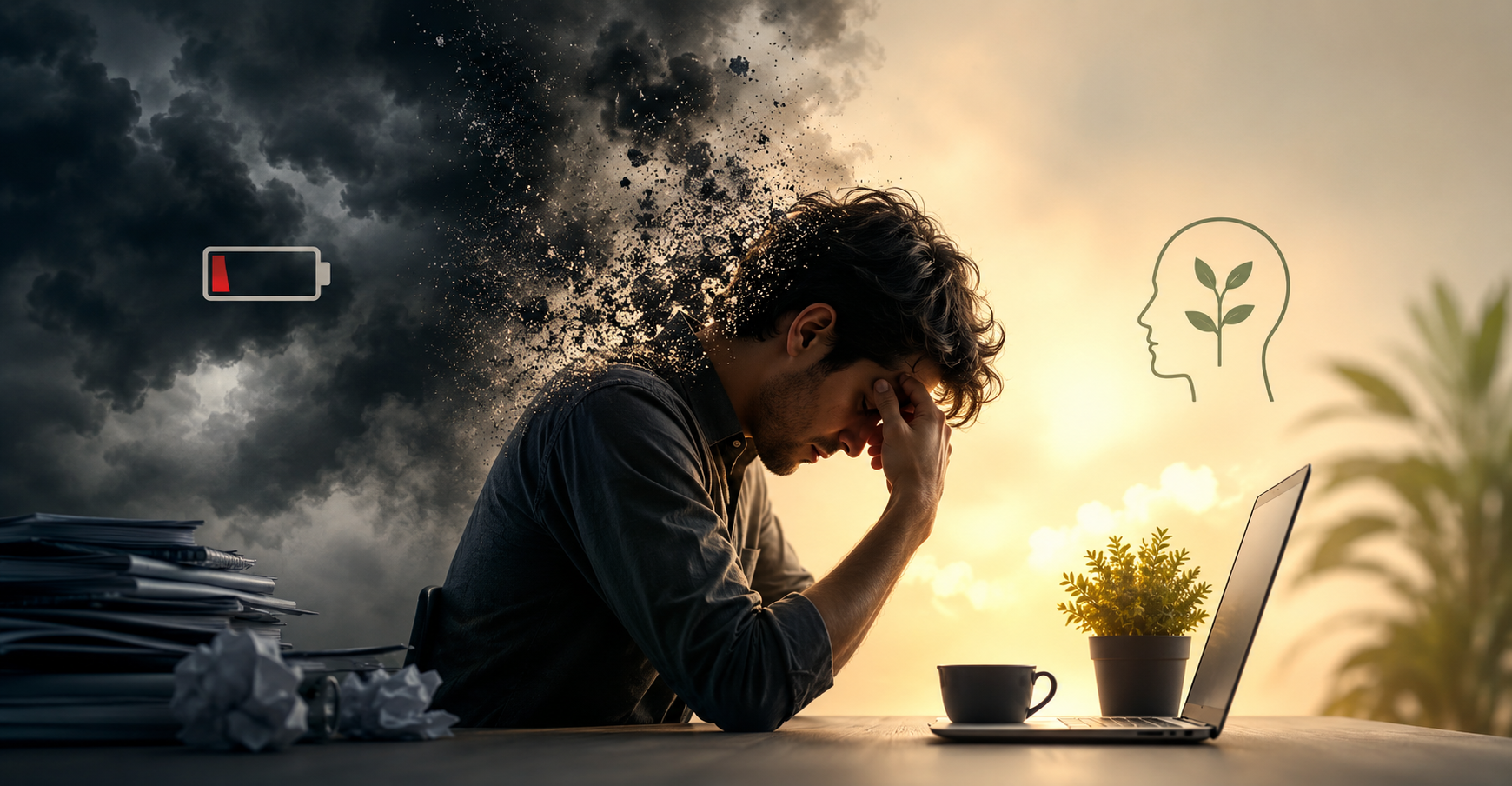
Burnout is a psychological syndrome resulting from chronic workplace or life stress that has not been effectively managed. According to the World Health Organization (WHO), burnout is characterized by three main dimensions:
-
Emotional and physical exhaustion
-
Increased mental distance or negativity toward work
-
Reduced professional effectiveness
It is not classified as a medical disease, but it is strongly linked to depression, anxiety, cardiovascular stress, and sleep disorders if left unmanaged.
Related Articles:
- Does Seeing A Psychologist In Pakistan Mean You’re “Crazy”?
- Telepsychiatry In Pakistan: What It Is, How It Works, Benefits & Best Platforms
- Early Signs Of Bipolar Disorder: 13 Warning Symptoms You Shouldn’t Ignore
Early Burnout Symptoms: Warning Signs You Should Never Ignore
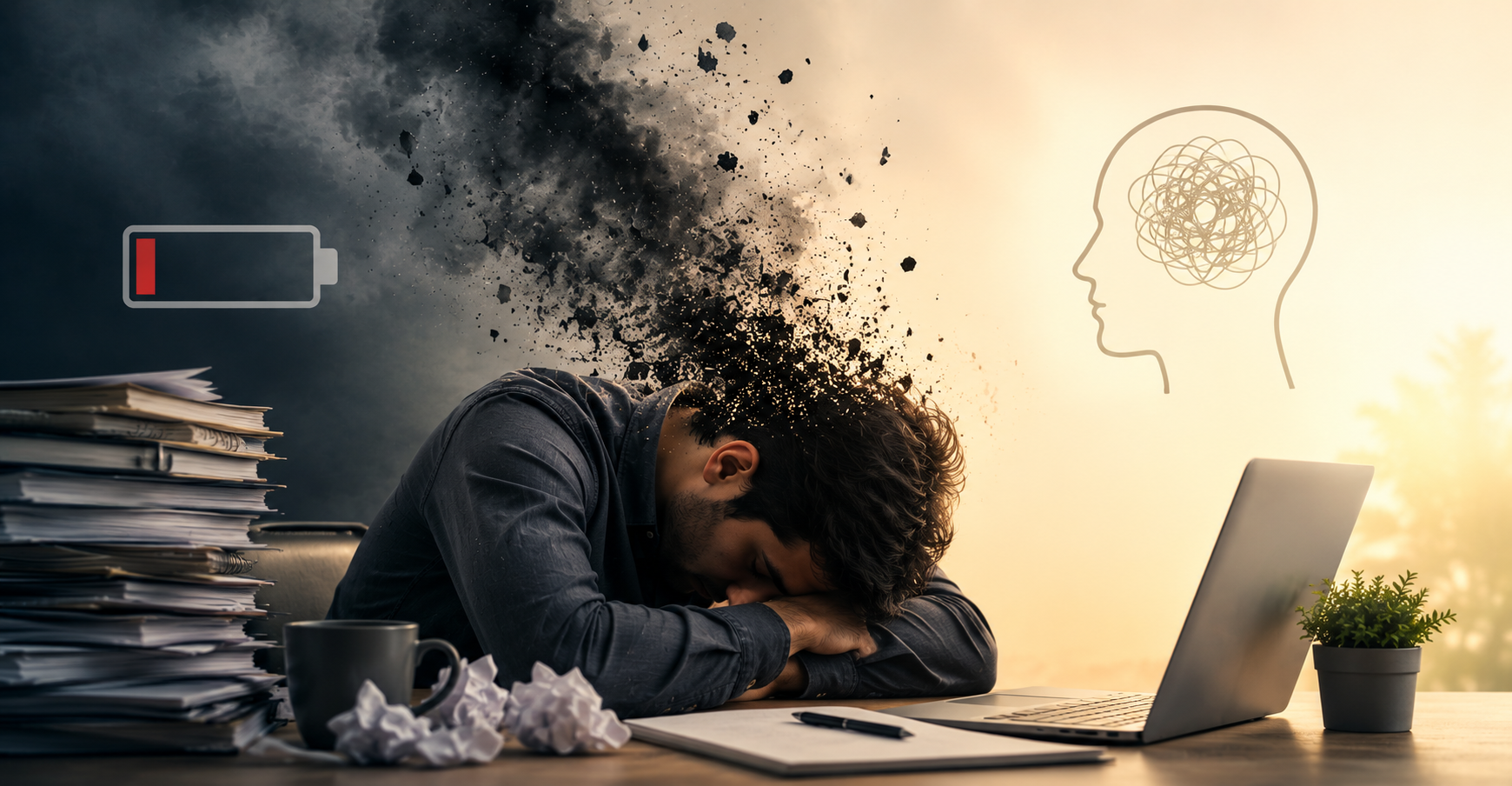
Burnout develops gradually. Early recognition is key.
1. Persistent Exhaustion
Unlike normal tiredness, burnout-related fatigue does not improve after rest. You may feel drained even after sleeping or taking breaks.
2. Emotional Numbness or Detachment
People often report feeling “emotionally flat,” disconnected from their work, family, or responsibilities.
3. Declining Performance
Once easy tasks begin to feel overwhelming. Concentration and productivity drop significantly.
4. Irritability and Mood Changes
Small issues may trigger frustration, anger, or emotional outbursts.
5. Sleep Disruption
Difficulty falling asleep, staying asleep, or waking up unrefreshed is common.
6. Physical Symptoms
Headaches, muscle tension, digestive issues, and frequent illness may appear due to chronic stress.
7. Loss of Motivation
Even meaningful goals feel pointless or exhausting.
Must read: "Men’s Mental Health Challenges In Pakistan: Causes, Symptoms & Treatment"
Burnout vs Stress: Key Differences
|
Feature |
Stress |
Burnout |
|
Energy level |
Hyperactive, anxious |
Exhausted, drained |
|
Emotions |
Overwhelmed but engaged |
Detached, numb |
|
Productivity |
Can still function |
Significant decline |
|
Recovery |
Improves with rest |
Persists despite rest |
|
Outlook |
“I have too much to do” |
“I don’t care anymore” |
Causes and Risk Factors of Burnout
Burnout is usually caused by long-term exposure to unmanaged stressors.
Common Causes:
-
Excessive workload and long working hours
-
Lack of control over tasks
-
Poor work-life balance
-
Emotional demands (healthcare, teaching, caregiving)
-
Financial pressure
-
Academic overload
High-Risk Groups:
-
Healthcare professionals
-
Corporate employees
-
Students (especially exam-heavy systems in Pakistan)
-
Parents and caregivers
-
Freelancers with unstable schedules
Evidence-Based Medical Perspective
Research from leading institutions such as the National Institutes of Health (NIH) and clinical reviews in occupational health journals consistently link chronic stress and burnout with:
-
Increased risk of depression and anxiety
-
Higher cardiovascular strain (elevated blood pressure, heart rate variability changes)
-
Reduced immune function
-
Cognitive fatigue and memory impairment
Organizations like the Mayo Clinic and Cleveland Clinic emphasize early lifestyle intervention and stress management to prevent progression.
Complications of Untreated Burnout
If ignored, burnout may contribute to:
-
Clinical depression
-
Substance misuse (as a coping mechanism)
-
Workplace failure or dropout
-
Long-term physical health decline
Early intervention significantly reduces these risks.
Related Articles:
- What Are The Best Medicines For ADHD In Pakistan?
- ADHD in Adults: Symptoms, Causes, Diagnosis, and Treatment Guide (2026)
- Early Warning Signs Of Schizophrenia In Urdu, Causes & Treatments (In Teens)
Burnout in Pakistan
In Pakistan, burnout is increasingly common due to:
-
Academic pressure in competitive education systems
-
Long working hours in the corporate and healthcare sectors
-
Economic instability and financial stress
-
Limited access to mental health services in rural areas
-
Social stigma around psychological support
Hot climate conditions and irregular sleep patterns can also worsen fatigue and emotional exhaustion.
Prevention Strategies That Actually Work
-
Maintain a consistent sleep schedule (7–9 hours)
-
Set boundaries between work and personal life
-
Take short breaks during long tasks
-
Engage in physical activity (walking, light exercise)
-
Reduce digital overload and screen fatigue
-
Practice mindfulness or breathing techniques
-
Seek early psychological support if symptoms persist
When to Seek Professional Help
You should consult a healthcare professional if:
-
Symptoms persist for more than 2–3 weeks
-
Daily functioning is affected
-
You experience persistent sadness or hopelessness
-
Physical symptoms worsen without a medical cause
-
You feel emotionally detached from life or work
Early consultation can prevent long-term complications and improve recovery outcomes.
If you are experiencing ongoing fatigue, stress, or emotional exhaustion, professional evaluation can help identify whether it is burnout or another mental health condition. Apka Muaalij provides confidential online consultations with qualified specialists. Call 042-32377001 to speak with a healthcare professional today.
Also read: "Who Is The Best Female Psychiatrist In Lahore? Complete Guide (2026)"
Comparison of Burnout Symptoms by Stage
|
Stage |
Emotional Signs |
Physical Signs |
Behavioral Signs |
|
Early |
Mild irritability, fatigue |
Headaches, tiredness |
Reduced motivation |
|
Moderate |
Detachment, anxiety |
Sleep issues, frequent illness |
Procrastination |
|
Severe |
Emotional numbness, hopelessness |
Chronic fatigue |
Withdrawal from responsibilities |
Final Thoughts
Burnout is becoming increasingly common in today’s high-pressure lifestyle, yet it often goes unnoticed until it becomes severe. Recognizing burnout symptoms and warning signs early—such as persistent fatigue, emotional detachment, and reduced productivity—can help prevent long-term psychological and physical complications. Evidence from global health authorities like the WHO and clinical institutions such as the Mayo Clinic highlights the importance of early intervention, rest, and stress management.
If symptoms are affecting your daily life, it is important not to ignore them. Timely support, lifestyle adjustments, and professional guidance can significantly improve recovery and prevent relapse. Prioritizing mental health is not optional—it is essential for long-term wellbeing.
Frequently Asked Questions (FAQs)
1. What are the first signs of burnout?
Early signs include constant fatigue, reduced motivation, irritability, and difficulty concentrating. These symptoms often appear gradually and are mistakenly ignored as normal stress. Recognizing them early can prevent progression into severe emotional exhaustion and long-term mental health issues.
2. Is burnout a mental illness?
Burnout is not classified as a mental illness but is recognized by the World Health Organization as an occupational phenomenon. However, if untreated, it can contribute to depression, anxiety disorders, and other psychological conditions that require clinical treatment.
3. Can burnout affect physical health?
Yes. Chronic burnout can lead to headaches, digestive issues, muscle tension, sleep disturbances, and weakened immunity. Studies from institutions like the NIH show that prolonged stress also increases cardiovascular risks.
4. How long does burnout recovery take?
Recovery varies depending on severity. Mild burnout may improve within weeks with rest and lifestyle changes, while severe cases may require months of therapy, medical support, and structured stress management interventions.
5. What is the difference between burnout and depression?
Burnout is primarily linked to chronic stress and work-related exhaustion, while depression affects all areas of life, including mood, interest, and self-worth. However, both conditions can overlap and require professional assessment.
Must read: "Women's Mental Health: Symptoms, Causes, Treatment & When To Get Help"
6. Can students experience burnout?
Yes, students—especially in competitive academic systems like Pakistan—are highly vulnerable due to exam pressure, long study hours, and lack of rest. Symptoms include fatigue, lack of focus, and emotional detachment from studies.
7. How can I quickly reduce burnout symptoms?
Short-term relief includes rest, hydration, reduced workload, sleep improvement, and mindfulness practices. However, long-term recovery requires addressing root causes such as workload imbalance and stress management.
8. Does exercise help with burnout?
Yes. Regular physical activity improves mood, reduces stress hormones, and enhances sleep quality. Even light walking or stretching can significantly reduce early burnout symptoms.
9. When should I worry about burnout?
You should be concerned if symptoms persist beyond two weeks, interfere with daily life, or worsen despite rest. Early professional consultation is strongly recommended in such cases.
10. Can burnout be prevented completely?
While it may not be completely avoidable in high-stress environments, it can be effectively managed and prevented through work-life balance, emotional regulation, and early stress intervention strategies.
Disclaimer: This article is intended for educational and informational purposes only. It is not a substitute for professional medical advice, diagnosis, or treatment. Always consult a qualified healthcare professional regarding any medical condition, symptoms, or treatment decisions. Never delay seeking medical advice because of information you have read in this article.

Find & Book the best "Psychologist" near you
Book Appointment