

How To Control Uric Acid? Important Tips & Treatment

What is Uric Acid?
Uric acid is a natural waste product formed from the breakdown of purines, chemicals found in certain foods (red meat, seafood, some vegetables like spinach, peas, and mushrooms), and sugary drinks. Normally, uric acid dissolves in the blood, passes through the kidneys, and is excreted in urine.
How Does Uric Acid Affect Your Body?
It plays a role in maintaining the body's chemical balance. Normal levels of uric acid range between 3.4 to 7.0 mg/dL in men and 2.4 to 6.0 mg/dL in women.
High uric acid levels can cause gout, leading to severe joint pain and swelling, often in the big toe. It can also result in kidney stones and chronic kidney disease. Elevated levels increase the risk of heart disease and hypertension, and may contribute to insulin resistance and type 2 diabetes.
Common Symptoms of High Uric Acid Levels
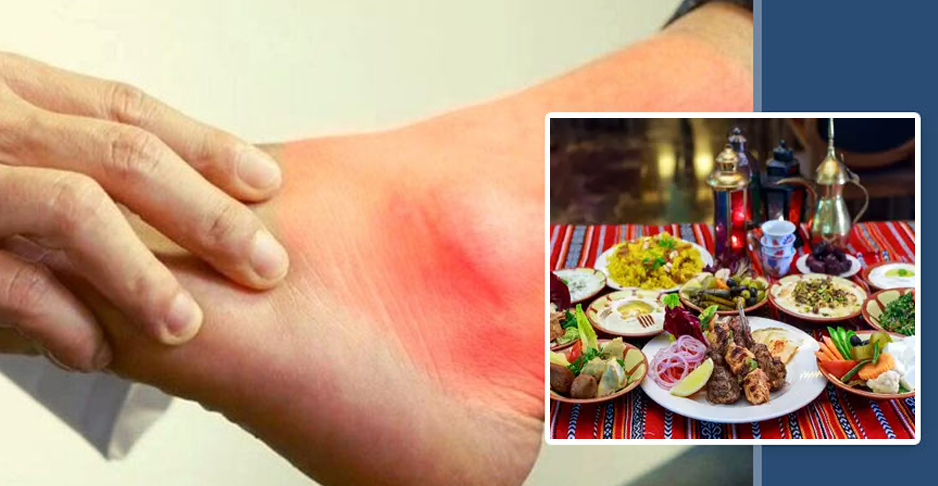
Elevated uric acid levels can lead to various symptoms, primarily associated with kidney stones and gout:
-
Gout: Severe joint pain, typically in the big toe, along with swelling, redness, and tenderness after the acute pain subsides.
-
Kidney Stones: Symptoms include nausea, cloudy or foul-smelling urine, blood in the urine, and frequent urination due to uric acid crystal buildup.
Eid Al-Adha Festive Feasts and Uric Acid Levels
Eid Al-Adha feasts are rich in decadent, meat-centered meals, which can increase uric acid levels:
-
Traditional Eid recipes often contain high purine levels, which can elevate blood uric acid.
-
Consuming large amounts of purine-rich foods during festivities increases the risk of kidney stones and gout.
-
Opt for leaner cuts of meat, include plenty of fruits and vegetables, and stay hydrated to balance tradition with wellness.
-
Low-Purine Alternatives to Control Uric Acid During Eid
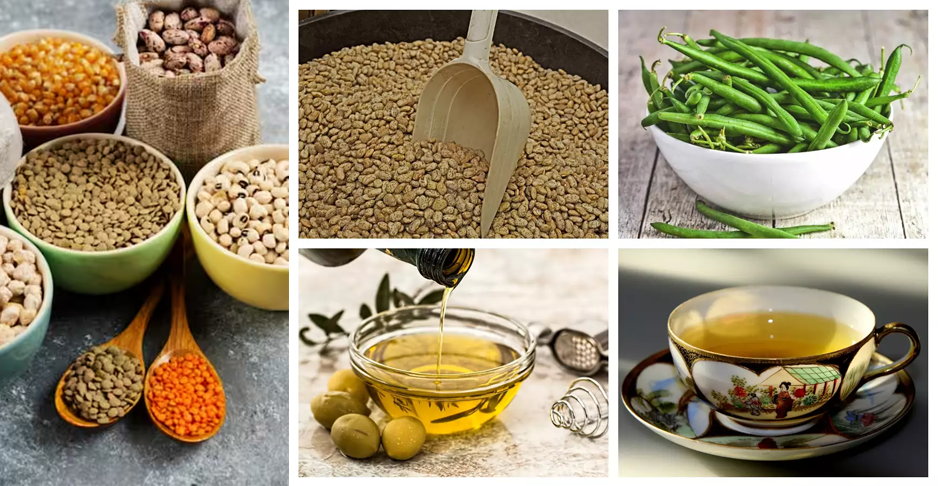
To manage uric acid levels during Eid, consider incorporating low-purine alternatives into your festive meals:
-
Diet: Include fresh fruits, vegetables, and whole grains to maintain uric acid levels.
-
Meal Options: Skewered vegetables, lentil soups, and salads make great additions.
-
Flavor Enhancers: Use herbs and spices like mint, cilantro, and turmeric to enhance flavors without high-purine ingredients.
-
Enjoy Eid with a health-conscious mindset by using these low-purine alternatives.
Tips for Moderating Meat Consumption on Eid
You can moderate meat consumption during Eid by controlling portions and incorporating plant-based foods:
-
Portion Control: Serve smaller portions of meat and fill the rest of your plate with vegetables, salads, and whole grains. Space out meals (at least 6 hours) to ensure proper digestion.
-
Choose Lean Cuts: Opt for leaner cuts of meat, such as tenderloin or sirloin, and trim any visible fat before cooking.
-
Balanced Meals: Incorporate a variety of dishes, including vegetarian options, to balance the meat-heavy meals. Steam meat (use black pepper and herbs) instead of deep frying.
-
Hydration: Drink plenty of water throughout the day to help with digestion and prevent overeating.
-
Mindful Eating: Eat slowly and savor each bite, paying attention to your body's hunger and fullness signals to avoid overeating.
Smart Beverage Choices on Eid Al-Adha

Making smart beverage choices can help manage uric acid levels and improve overall health:
-
Drink more water, herbal teas, and fresh fruit juices instead of sugary sodas or high-calorie drinks.
-
Opt for low-sugar, low-purine drinks to celebrate with a focus on moderation and well-being.
Conclusion:
Maintaining appropriate uric acid levels during Eid Al-Adha is crucial for overall health. High uric acid levels can lead to painful conditions like kidney stones and gout, detracting from the festive spirit. Prioritizing healthy beverage choices and focusing on hydration with water can help control uric acid levels. By balancing tradition with wellness, you can fully embrace the spirit of Eid Al-Adha while protecting your health for a joyful and meaningful celebration.
With the Apka Muaalij telehealth platform, you can get quality healthcare services with ease. Book your in-clinic or online appointment with the top nephrologists near you today!

Find & Book the best "Nephrologist" near you
Book Appointment
Dr. Muhammad Usama, RPh
Dr. Dr. Muhammad Usama, RPh is a highly experienced specialist based in Lahore, Pakistan with over several years of clinical expertise. Specializing in evidence-based and patient-centered care, they provides advanced treatment tailored to individual needs. Currently available on Apka Muaalij, appointments can be booked at 042-32377001.