

Early Signs Of Colon Cancer: Symptoms You Should Never Ignore

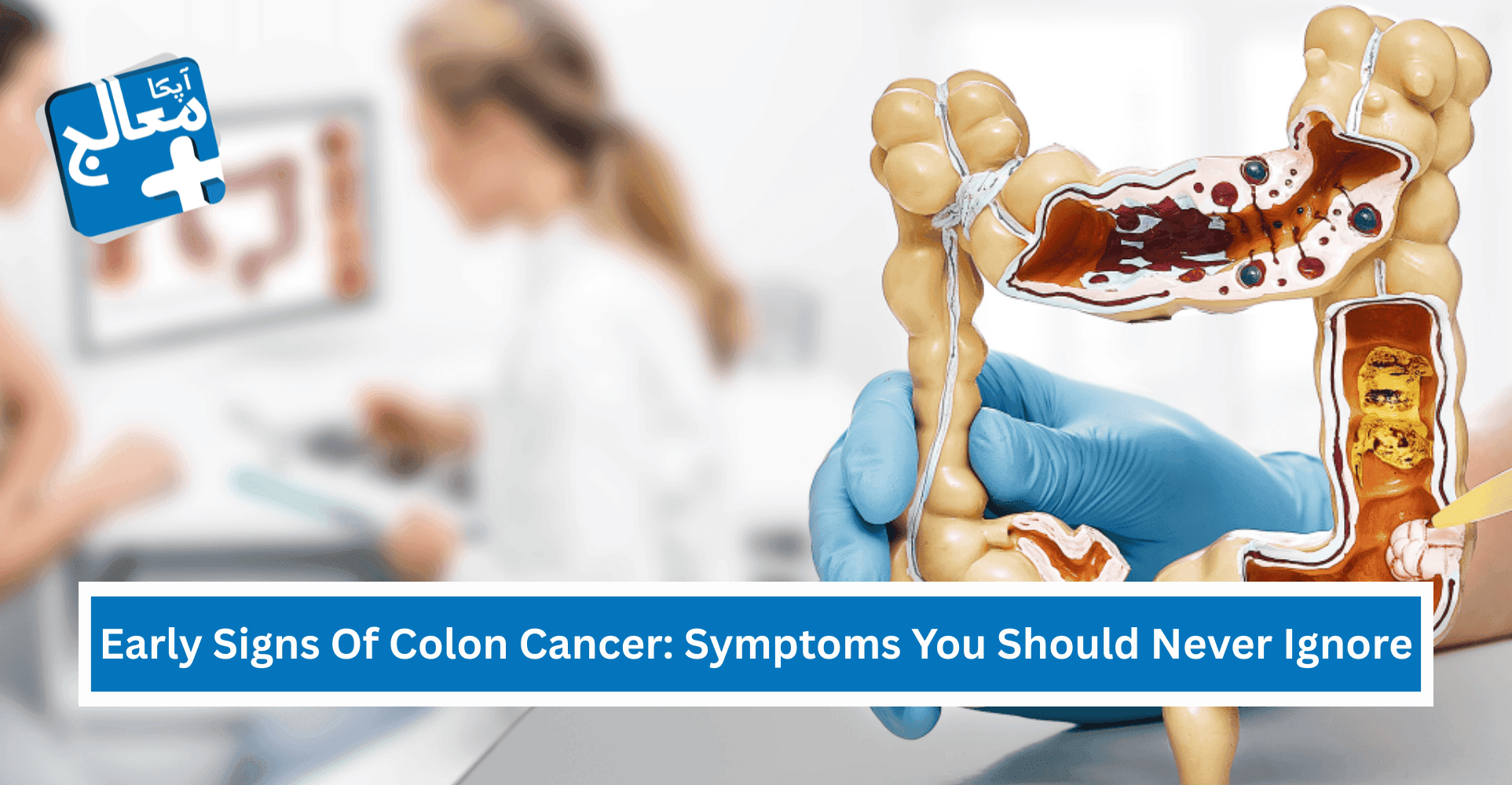
Colon cancer often develops quietly. Many people feel healthy for years before symptoms appear. Yet the earliest warning signs can provide crucial clues that something inside the digestive system is changing.
Recognizing these early signs of colon cancer can make a life-saving difference. When detected early, colorectal cancer has a five-year survival rate of more than 90%, according to the American Cancer Society. Unfortunately, many people dismiss early symptoms as routine digestive issues.
This comprehensive guide explains the earliest symptoms, how colon cancer develops, when to see a doctor, and what increases your risk. Understanding these signals helps you take action before the disease advances.
Key Takeaways
-
Colon cancer often develops slowly and may cause subtle early symptoms.
-
The most common warning signs include changes in bowel habits, blood in stool, abdominal pain, fatigue, and unexplained weight loss.
-
A healthcare professional should evaluate persistent symptoms lasting more than two weeks.
-
Screening beginning around age 45 can detect precancerous polyps before cancer develops.
-
Early detection dramatically improves survival rates.
-
Lifestyle factors such as diet, exercise, and smoking influence colon cancer risk.
What Is Colon Cancer?
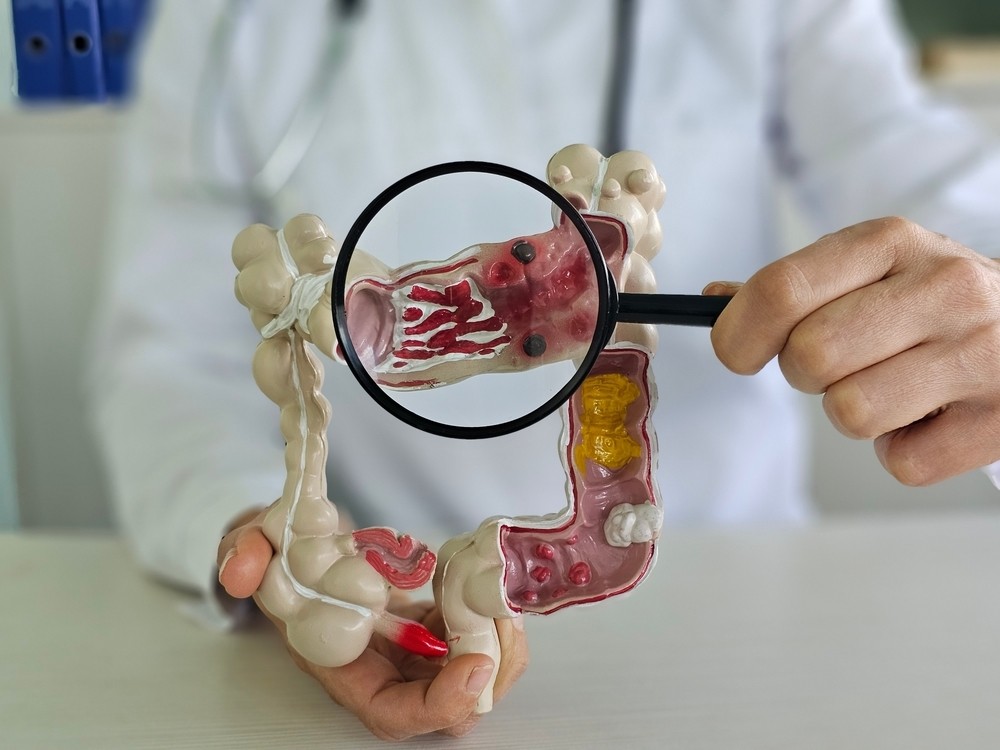
Colon cancer is a type of cancer that begins in the colon, the longest portion of the large intestine responsible for absorbing water and forming stool.
Most colon cancers start as small growths called polyps that form on the inner lining of the colon. Over several years, some polyps can transform into malignant tumors.
Key facts about colon cancer:
-
It is often grouped with rectal cancer under the term colorectal cancer
-
It typically develops slowly over 10–15 years
-
Many cases begin without noticeable symptoms
-
Early detection dramatically improves treatment outcomes
According to the National Cancer Institute, colorectal cancer is one of the most commonly diagnosed cancers worldwide.
Why Early Detection of Colon Cancer Matters
Colon cancer is highly treatable when detected early. The challenge is that early-stage disease often causes mild or vague symptoms that people overlook.
When cancer is confined to the colon wall:
-
Treatment is simpler
-
Surgery may be curative
-
Survival rates exceed 90%
When cancer spreads to distant organs:
-
Treatment becomes more complex
-
Survival rates drop significantly
Because of this, doctors emphasize screening and awareness of early symptoms.
9 Early Signs of Colon Cancer You Should Know

Early signs of colon cancer often appear gradually. Many symptoms overlap with common digestive conditions such as hemorrhoids, irritable bowel syndrome, or infections. However, persistent or unusual symptoms should never be ignored.
Below are the most important early warning signs.
1. Changes in Bowel Habits
One of the earliest signs of colon cancer is a persistent change in bowel habits that lasts several weeks.
Possible changes include:
-
Ongoing diarrhea
-
Frequent constipation
-
Alternating diarrhea and constipation
-
Increased urgency to have a bowel movement
-
More frequent trips to the bathroom
Why does this happen:
A growing tumor can interfere with the normal movement of stool through the colon. This disruption alters bowel patterns.
When to worry:
If bowel habit changes last longer than two weeks, it is wise to consult a healthcare provider.
2. Blood in the Stool
Blood in the stool is one of the most concerning early symptoms of colon cancer.
It may appear as:
-
Bright red blood on toilet paper
-
Dark red streaks mixed with stool
-
Black or tarry stools
The bleeding occurs when a tumor damages blood vessels in the colon lining.
Important note:
Many people assume rectal bleeding is caused by hemorrhoids, but this assumption can delay diagnosis. Medical evaluation is always recommended when blood appears in stool.
3. Persistent Abdominal Discomfort
Ongoing discomfort in the abdomen may signal changes within the colon.
Common symptoms include:
-
Cramping
-
Gas pain
-
Bloating
-
Persistent abdominal pressure
-
A dull ache in the lower abdomen
A tumor growing in the colon may partially block stool movement, leading to pain and pressure.
Occasional stomach discomfort is normal. However, persistent or worsening abdominal pain should be investigated.
4. Feeling That the Bowel Doesn’t Empty Completely
Some people with colon cancer report a persistent feeling that they still need to use the bathroom even after a bowel movement.
This sensation is known as tenesmus.
Possible experiences include:
-
A constant urge to pass stool
-
Difficulty completing bowel movements
-
Needing to return to the bathroom repeatedly
Tumors located near the rectum can create this sensation by interfering with normal bowel function.
5. Narrow or Pencil-Thin Stools
Changes in stool shape can sometimes indicate a blockage in the colon.
Possible stool changes include:
-
Narrow stools
-
Ribbon-shaped stools
-
Unusually thin bowel movements
A growing tumor may partially obstruct the colon, forcing stool to pass through a smaller opening.
While stool shape can vary naturally, consistent narrowing of stools should be evaluated by a doctor.
6. Unexplained Fatigue or Weakness
Persistent fatigue can occur when colon cancer causes slow internal bleeding.
Over time, this blood loss can lead to iron-deficiency anemia, a condition where the body lacks enough healthy red blood cells.
Symptoms may include:
-
Extreme tiredness
-
Weakness
-
Shortness of breath
-
Pale skin
-
Reduced exercise tolerance
Anemia detected on routine blood tests may sometimes be the first sign of colon cancer.
7. Unintentional Weight Loss
Unexplained weight loss is another warning sign of many cancers, including colon cancer.
It may occur due to:
-
Increased energy use by cancer cells
-
Loss of appetite
-
Changes in metabolism
-
Chronic inflammation
Losing weight without trying, especially more than 5–10% of body weight, should always be medically evaluated.
8. Iron-Deficiency Anemia
Iron-deficiency anemia is sometimes the first clinical clue doctors notice in colon cancer patients.
This condition occurs when the body loses blood faster than it can replace it.
Symptoms of anemia include:
-
Persistent fatigue
-
Dizziness
-
Headaches
-
Cold hands and feet
-
Shortness of breath
The American Gastroenterological Association notes that unexplained anemia in adults often warrants investigation for gastrointestinal bleeding.
9. Persistent Gas, Bloating, or Fullness
Some people experience ongoing digestive discomfort before colon cancer is diagnosed.
Possible symptoms include:
-
Chronic bloating
-
Frequent gas
-
A sensation of fullness after small meals
-
Abdominal swelling
These symptoms may occur if a tumor interferes with digestion or partially blocks the colon.
Colon Cancer Symptoms vs Common Digestive Issues
Because colon cancer symptoms overlap with everyday digestive problems, distinguishing them can be difficult.
|
Symptom |
Common Causes |
Possible Colon Cancer Indicator |
|
Diarrhea |
Infection, diet changes |
Persistent for several weeks |
|
Constipation |
Low fiber intake |
Sudden unexplained change |
|
Blood in stool |
Hemorrhoids |
Blood mixed with stool |
|
Abdominal pain |
Gas, indigestion |
Ongoing, worsening pain |
|
Fatigue |
Stress, lack of sleep |
Accompanied by anemia |
|
Weight loss |
Diet or exercise |
Occurs without trying |
The key difference is persistence. Symptoms lasting longer than two weeks should be checked.
Who Is Most at Risk for Colon Cancer?
While colon cancer can occur at any age, certain factors significantly increase the risk.
Age
Risk increases after age 45, which is why screening guidelines begin around this age.
Family History
Having a close relative with colorectal cancer doubles or triples the risk.
Genetic Conditions
Inherited syndromes include:
-
Lynch syndrome
-
Familial adenomatous polyposis (FAP)
Lifestyle Factors
Research links several lifestyle habits with increased risk:
-
A diet high in processed or red meat
-
Low fiber intake
-
Smoking
-
Heavy alcohol consumption
-
Obesity
-
Sedentary lifestyle
Medical Conditions
Certain diseases also increase risk:
-
Crohn’s disease
-
Ulcerative colitis
-
Type 2 diabetes
Colon Cancer in Younger Adults
Colon cancer used to be considered a disease of older adults. However, recent research shows rising cases in people under 50.
According to the American Cancer Society, colorectal cancer is now one of the leading causes of cancer deaths among younger adults.
Experts are still studying possible reasons, which may include:
-
Dietary patterns
-
Gut microbiome changes
-
Obesity
-
Environmental factors
Because of this trend, doctors encourage younger adults to take symptoms seriously.
When Should You See a Doctor?
You should seek medical evaluation if you experience:
-
Blood in the stool
-
Persistent changes in bowel habits
-
Ongoing abdominal pain
-
Unexplained weight loss
-
Severe fatigue
-
Anemia was detected in blood tests
Doctors may recommend tests such as:
-
Colonoscopy
-
Stool tests
-
CT scans
-
Blood tests
Early diagnosis significantly improves treatment outcomes.
How Colon Cancer Is Diagnosed
If symptoms raise concern, doctors use several diagnostic methods.
Colonoscopy
The most accurate screening test. A flexible camera examines the entire colon and can remove polyps during the procedure.
Stool Tests
These detect hidden blood or DNA markers linked to cancer.
Imaging Tests
CT scans and MRI may be used to detect tumors or cancer spread.
Biopsy
A tissue sample taken during a colonoscopy confirms the diagnosis.
Can Colon Cancer Be Prevented?
While not all cases are preventable, several lifestyle choices significantly reduce risk.
Recommended prevention strategies include:
-
Eating high-fiber foods like fruits and vegetables
-
Limiting processed meats
-
Maintaining a healthy weight
-
Exercising regularly
-
Avoiding smoking
-
Limiting alcohol consumption
-
Getting regular screening after age 45
Screening is especially important because polyps can be removed before they turn into cancer.
Need Healthcare Assistance?
Our expert healthcare professionals, including the best oncologists near you in Pakistan, are here to support you. If you have specific health concerns or queries, Apka Muaalij encourages you to consult your qualified specialists. Book an online video consultation or call 042-32377001.
Frequently Asked Questions (FAQs)
What is usually the first symptom of colon cancer?
The earliest symptom is often a change in bowel habits, such as persistent diarrhea, constipation, or alternating bowel patterns. Some people may also notice blood in their stool or mild abdominal discomfort before other symptoms develop.
Can colon cancer develop without symptoms?
Yes. Many people with early-stage colon cancer have no noticeable symptoms. This is why routine screening, such as colonoscopy or stool tests, is recommended starting at age 45 for average-risk individuals.
Does colon cancer cause pain in the early stages?
Not always. Early colon cancer may be painless. Pain usually appears later as tumors grow and interfere with normal digestion or partially block the colon.
What color stool indicates colon cancer?
Stool associated with colon cancer may appear dark red, maroon, or black and tarry due to internal bleeding. However, stool color changes can also occur from diet or medications, so medical evaluation is important.
How long can colon cancer go unnoticed?
Colon cancer can develop slowly over 10–15 years. Polyps may grow silently for many years before becoming cancerous and producing symptoms.
Is colon cancer common in young adults?
Although more common after age 50, cases in younger adults are increasing. Experts now recommend starting routine screening at age 45 because of this trend.
Can hemorrhoids cause symptoms similar to colon cancer?
Yes. Hemorrhoids can cause rectal bleeding and discomfort. However, it is impossible to distinguish hemorrhoids from colon cancer without medical evaluation, so any persistent bleeding should be checked.
What does colon cancer fatigue feel like?
Fatigue from colon cancer often feels persistent and unexplained, even after rest. It may occur due to anemia caused by slow internal bleeding in the digestive tract.
Does colon cancer always cause weight loss?
No. Some people maintain a normal weight in the early stages. However, unintentional weight loss can occur as cancer affects metabolism and appetite.
What test detects colon cancer the earliest?
A colonoscopy is the most effective test because it allows doctors to see the colon directly and remove precancerous polyps during the same procedure.
Disclaimer: This article is intended for educational purposes only and should not replace professional medical advice. Symptoms described here may have causes other than colon cancer. Always consult a qualified healthcare provider for diagnosis, screening recommendations, and treatment decisions related to your health.

Find & Book the best "Oncologist" near you
Book Appointment