

Excess Heat: Causes, Symptoms & Fast Natural Relief


Summer in Pakistan can feel overwhelming. When temperatures rise, many people experience a burning sensation throughout the body, excessive sweating, weakness, skin rashes, thirst, headaches, and a feeling that their bodies are “heating up from inside.” Many people describe this condition as jism ki zyada garmi (جسم کی زیادہ گرمی) or body heat.
While feeling hot during summer is common, excessive body heat can sometimes be a sign that your body is struggling to regulate its temperature. Dehydration, prolonged sun exposure, heat exhaustion, certain foods, infections, medications, and some medical conditions can all contribute to heat-related symptoms.
In Pakistan, where heat waves and temperatures above 40°C are increasingly common in many regions, understanding the difference between normal summer discomfort and dangerous heat-related illness is important for children, elderly people, outdoor workers, and individuals with chronic health conditions.
This complete guide explains body heat symptoms, causes, natural ways to reduce body heat, prevention tips, warning signs, and when medical advice is needed according to evidence-based health information.
Need Professional Support?
Apka Muaalij connects you with qualified healthcare professionals, including general physicians or nutritionists for personalized medical guidance in Pakistan. If excessive heat symptoms are affecting your daily life, consider consulting a doctor by calling 042-32377001.
Quick Answer
Excess body heat means your body is producing, absorbing, or retaining more heat than it can effectively remove. Common causes include dehydration, hot weather exposure, fever, intense physical activity, certain medicines, and medical conditions. Symptoms may include sweating, thirst, dizziness, fatigue, headaches, heat rash, and feeling unusually hot.
Must read: "When Should You Visit A Doctor Instead Of Self-Medicating?"
Key Takeaways
-
Excessive body heat is usually related to difficulty regulating body temperature, dehydration, heat exposure, or other health factors.
-
Drinking enough fluids is one of the most important ways to prevent heat-related problems.
-
Heat exhaustion and heat stroke are different; heat stroke is a medical emergency.
-
Water-rich foods and healthy summer habits can improve comfort but are not a replacement for medical treatment when symptoms are severe.
-
Children, elderly people, pregnant women, outdoor workers, and people with chronic diseases need extra protection during hot weather.
-
Persistent body heat symptoms may require medical evaluation to find the underlying cause.
What Does “Body Heat” Mean? | جسم کی زیادہ گرمی کا مطلب
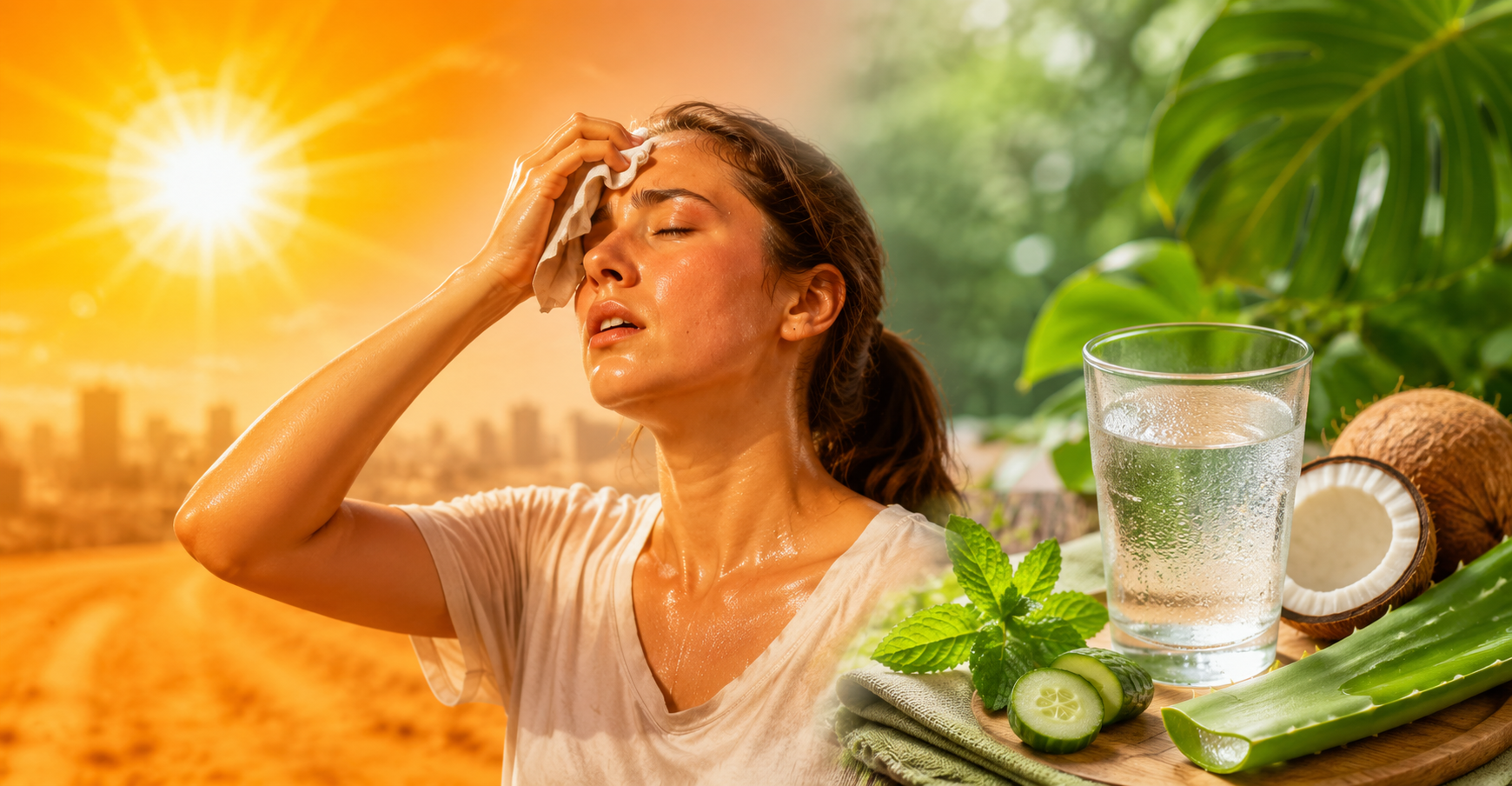
The human body normally maintains an internal temperature close to 37°C (98.6°F) through a process called thermoregulation. This involves sweating, blood circulation changes, and other cooling mechanisms that help maintain balance.
When the environment is extremely hot, humidity is high, or the body cannot cool itself properly, heat can build up.
People commonly use the term “body heat” to describe:
-
Feeling unusually warm internally
-
Burning sensation in hands or feet
-
Excessive sweating
-
Heat-related skin problems
-
Mouth ulcers or acidity during summer
-
Fatigue and weakness
However, medically, “body heat” is not a specific disease diagnosis. It is usually a description of symptoms caused by heat exposure, dehydration, lifestyle factors, or underlying health issues.
Related Articles:
- Walking 10,000 Steps A Day: Benefits, Calories Burned & Weight Loss Results
- 17 Health Benefits Of Tomatoes: Nutrition, Uses, Skin & Overall Wellness Guide
- How To Protect Yourself from Extreme Summer Heat In Pakistan
Internal Body Heat Symptoms | جسم میں گرمی کی علامات
The symptoms of excess body heat vary depending on the cause and severity.
Common signs include:
1. Excessive sweating
Sweating is the body’s natural cooling system. Heavy sweating after heat exposure or physical activity is normal, but excessive sweating can lead to dehydration and electrolyte imbalance.
2. Constant thirst and dry mouth
Feeling very thirsty, having dry lips, or reduced saliva production may indicate that your body needs more fluids.
3. Dark yellow urine
Dark urine is often a sign that your body may need more water. Well-hydrated urine is usually pale yellow.
4. Fatigue and weakness
Heat places extra stress on the cardiovascular system. This can make you feel tired, weak, or unable to concentrate.
5. Headache and dizziness
Heat exposure and dehydration can reduce blood volume and affect circulation, causing headaches or lightheadedness.
6. Skin problems
Heat-related skin issues may include:
-
Heat rash (prickly heat)
-
Red bumps
-
Skin irritation
-
Burning or itching sensation
7. Feeling hot while resting
If your body feels unusually hot even in a cool environment, it may require further evaluation, especially if accompanied by fever or other symptoms.
8. Sleep problems
High temperatures can interfere with sleep quality because the body naturally needs to lower its temperature slightly before sleep.
Must read: "Different Types Of Weight Loss Surgery In Pakistan | Reasons, Risks & More"
Heat Exhaustion vs Heat Stroke: Know the Difference
|
Condition |
Common Symptoms |
What To Do |
|
Heat exhaustion |
Heavy sweating, weakness, dizziness, nausea, headache, tiredness |
Move to a cool place, drink fluids, rest, and cool the body |
|
Heat stroke |
Confusion, fainting, seizures, very high temperature, altered behavior, hot skin |
Emergency medical care is needed immediately |
Heat stroke is a medical emergency and can damage the brain, heart, kidneys, and other organs if treatment is delayed.
According to guidance from the Centers for Disease Control and Prevention, heat illness prevention focuses on staying hydrated, limiting extreme heat exposure, and recognizing warning symptoms early.
What Causes Excessive Body Heat?
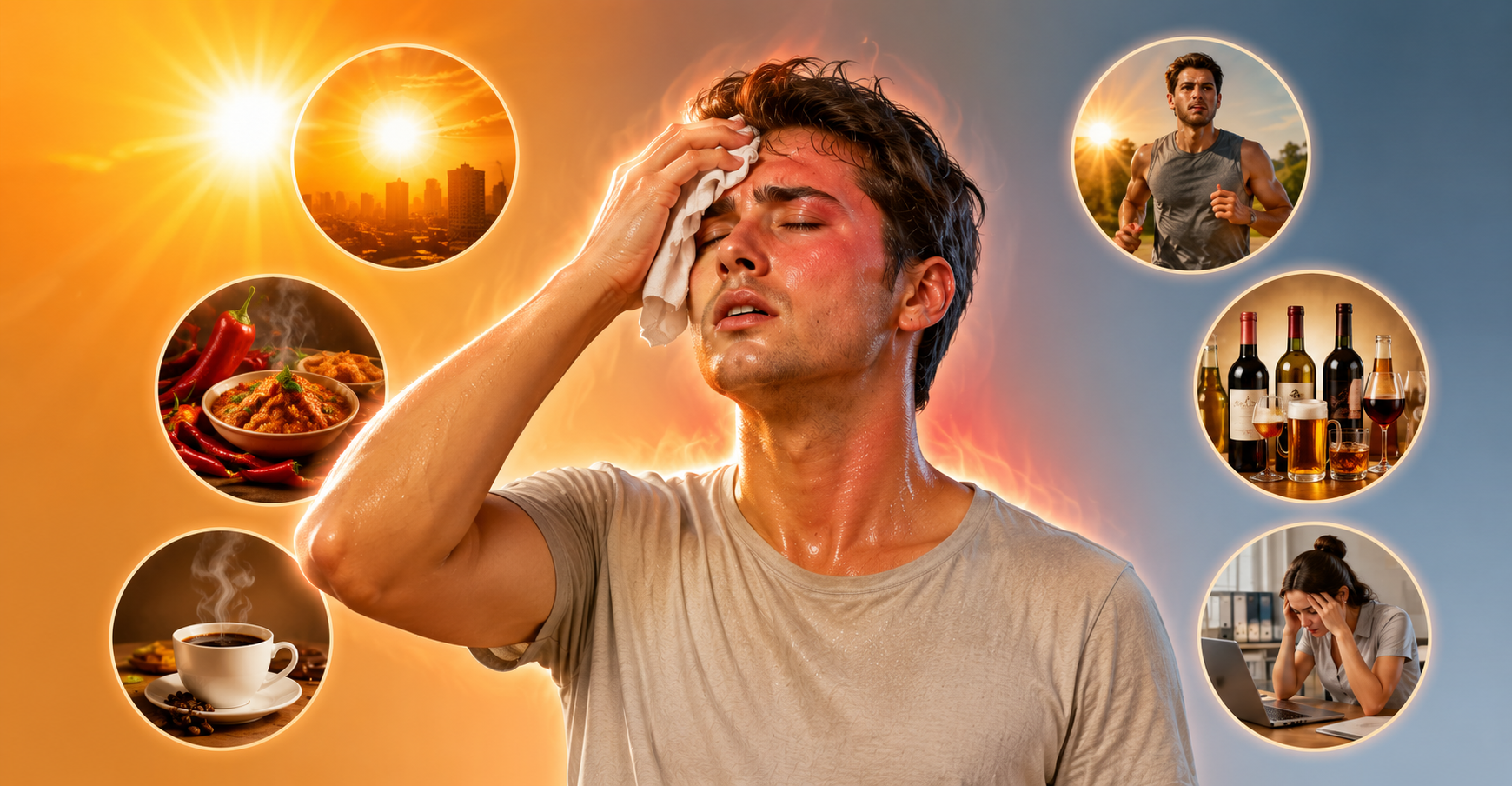
1. Dehydration
Dehydration is one of the most common reasons people struggle with heat during summer.
Your body loses water through:
-
Sweat
-
Urine
-
Breathing
When fluid levels drop, your body becomes less effective at cooling itself.
People at higher risk include:
-
Outdoor workers
-
Athletes
-
Children
-
Elderly individuals
-
People fasting or not drinking enough fluids
2. Hot Weather and Sun Exposure
Pakistan’s summer climate can create difficult conditions, especially during heat waves.
Long exposure to:
-
Direct sunlight
-
Hot roads
-
Poor ventilation
-
Closed rooms without cooling
Can increase body temperature and the risk of heat illness.
3. Heavy Physical Activity
Exercise or physical work in hot weather increases internal heat production.
Examples:
-
Construction workers
-
Farmers
-
Delivery riders
-
Traffic workers
Need regular water breaks and shade.
Must read: "5 Signs You Should Visit a Doctor: Don’t Ignore These Warning Symptoms"
4. Diet and Eating Habits
Many people believe certain foods create “heat” in the body. Scientifically, foods do not permanently increase core body temperature in most healthy people, but some eating habits may worsen discomfort.
Examples:
-
Very spicy meals
-
Heavy fried foods
-
Large meals in extreme heat
-
Excess caffeine
May increase sweating, acidity, or feelings of discomfort.
5. Certain Medical Conditions
Some health conditions can affect temperature regulation, including:
-
Fever due to infection
-
Thyroid disorders such as hyperthyroidism
-
Hormonal changes
-
Diabetes-related complications
-
Heart or kidney problems
People with chronic illnesses should take extra precautions during extreme heat.
6. Medicines
Some medicines may affect sweating, hydration, or the body’s ability to regulate heat.
Examples may include certain:
-
Diuretics (“water pills”)
-
Some allergy medicines
-
Some medications affecting blood pressure
Never stop prescribed medicines without medical advice. Discuss heat-related concerns with your healthcare provider.
Who Is More at Risk From Excess Heat?
Some people need extra protection during hot weather:
Elderly people
Older adults may not regulate temperature as efficiently and may not notice dehydration quickly.
Children and infants
Children lose fluids faster and may become overheated more quickly.
Pregnant women
Pregnancy naturally changes body temperature regulation and fluid needs.
Outdoor workers
People working in sunlight face prolonged heat exposure.
People with chronic diseases
Conditions affecting the heart, kidneys, or metabolism may increase vulnerability.
How to Reduce Body Heat Naturally | جسم کی زیادہ گرمی کا علاج
For most people, reducing body heat starts with helping the body restore its natural cooling system. The goal is not to “remove heat” from the body through a single remedy, but to improve hydration, reduce heat exposure, support sweating, and prevent dehydration.
1. Drink Enough Fluids
Water is the most important tool for preventing heat-related problems.
During hot weather:
-
Drink water regularly throughout the day
-
Do not wait until extreme thirst develops
-
Increase fluids if you sweat heavily or work outdoors
-
Replace lost electrolytes after prolonged sweating
Signs that you may need more fluids include:
-
Dark urine
-
Dry mouth
-
Dizziness
-
Unusual tiredness
For people losing a lot of sweat, oral rehydration solutions (ORS) may help restore water and electrolytes. The World Health Organization recognizes oral rehydration as an important approach for preventing dehydration-related complications.
Related Articles:
- Top 25 Hydrating & Refreshing Drinks To Beat Summer Heat Naturally
- 7 Mistakes People Make On Eid Al-Fitr That Harm Their Health
- Air Fryer Vs Deep Fryer In Ramadan: Which Is Healthier?
Cooling Foods That May Help During Summer
Many Pakistani families traditionally use certain foods during hot weather. While foods cannot dramatically lower your core body temperature, water-rich foods can support hydration and comfort.
Helpful choices include:
|
Food |
Why It May Help |
|
Watermelon |
High water content helps with hydration |
|
Cucumber |
Provides fluids and is easy to digest |
|
Yogurt |
Provides fluid and nutrients |
|
Lassi |
Can support hydration when prepared safely |
|
Lemon water |
Helps fluid intake |
|
Mint |
Adds freshness and may improve cooling sensation |
|
Fruits and vegetables |
Provide water, vitamins, and minerals |
A balanced diet is more important than avoiding individual foods completely.
Lifestyle Changes to Prevent Excessive Body Heat
Wear Breathable Clothes
Choose:
-
Loose-fitting clothes
-
Cotton fabrics
-
Light and comfortable clothing
Tight synthetic fabrics can trap sweat and reduce air circulation.
Avoid Peak Heat Hours
The hottest part of the day is usually the afternoon.
Whenever possible:
-
Avoid unnecessary outdoor activity during extreme heat
-
Stay in the shade
-
Use umbrellas or protective clothing
-
Take breaks if working outside
Improve Home Cooling
In Pakistani summers, practical cooling methods include:
-
Better ventilation
-
Fans with open airflow
-
Closing curtains during direct sunlight
-
Taking cool showers
-
Using damp cloths for temporary cooling
A cool shower can help you feel more comfortable. Avoid extremely cold water if it causes discomfort.
Must read: "Why Do I Feel Tired Even After 8 Hours Of Sleep?"
Home Remedies for Body Heat: What Helps and What to Know
Traditional remedies are common in Pakistan. Some may provide comfort, mainly because they increase fluid intake or provide cooling sensations.
Fennel (Saunf) Water
Many people drink fennel water during summer for digestion and cooling effects.
Scientific evidence for reducing internal body temperature is limited, but it can be a refreshing, low-calorie drink for many people.
Coconut Water
Coconut water contains fluids and electrolytes such as potassium.
It may help hydration, especially after sweating, but people with kidney disease or potassium restrictions should ask their doctor before consuming large amounts.
Aloe Vera
Aloe vera is commonly used for skin soothing. Drinking aloe products is not necessary for managing normal body heat and may not be suitable for everyone.
Some aloe preparations can cause digestive side effects or interact with medicines.
What to Do During Heat Exhaustion
If someone develops signs of heat exhaustion:
-
Move them to a cooler place
-
Help them sit or lie down
-
Remove unnecessary clothing
-
Give small amounts of water if they are alert and able to drink
-
Cool the body with wet cloths or a fan
Seek medical help if symptoms worsen or do not improve.
Heat Stroke: Emergency Warning Signs
Heat stroke requires urgent medical attention.
Warning signs include:
-
Confusion
-
Loss of consciousness
-
Seizures
-
Very high body temperature
-
Severe weakness
-
Abnormal behavior
-
Hot skin with reduced sweating
Do not delay emergency care because heat stroke can become life-threatening.
When Should You See a Doctor for Body Heat?
Consult a healthcare professional if:
-
Symptoms continue despite hydration and cooling
-
You frequently feel unusually hot without a clear reason
-
You have repeated dizziness or fainting
-
You develop a fever
-
Heat rash becomes painful, swollen, or infected
-
You have diabetes, heart disease, kidney disease, or thyroid problems
-
You experience confusion or severe weakness
Persistent “body heat” symptoms may sometimes point toward another medical issue rather than simple summer discomfort.
If you are unsure whether your symptoms are related to dehydration, heat illness, or another health condition, Apka Muaalij can help you connect with qualified healthcare professionals for guidance. Call 042-32377001 for medical support.
Prevention Checklist: Protect Yourself From Excess Heat
-
Drink fluids regularly
-
Wear loose cotton clothes
-
Avoid unnecessary sun exposure
-
Take breaks during outdoor work
-
Eat water-rich foods
-
Watch elderly family members during heat waves
-
Never leave children inside parked vehicles
-
Recognize heat exhaustion symptoms early
Also read: "Top 10 Surprising Health Benefits Of Donating Blood"
Conclusion:
Feeling hot during Pakistan’s intense summers is common, but repeated or severe symptoms should not be ignored. Excessive body heat is often linked with dehydration, environmental heat, lifestyle factors, or problems affecting the body’s natural cooling system.
Simple steps such as staying hydrated, avoiding extreme heat exposure, choosing breathable clothing, maintaining a balanced diet, and recognizing early warning signs can reduce the risk of heat-related illness.
If symptoms continue despite proper hydration and cooling measures, professional medical advice is important. A healthcare provider can determine whether the problem is related to heat exposure or another underlying condition.
Apka Muaalij helps patients access qualified healthcare professionals for reliable medical guidance. For personalized support, contact 042-32377001.
Disclaimer: This article is intended for educational and informational purposes only. It is not a substitute for professional medical advice, diagnosis, or treatment. Always consult a qualified healthcare professional regarding any medical condition, symptoms, or treatment decisions. Never delay seeking medical advice because of information you have read in this article.

Find & Book the best "General Physician" near you
Book Appointment