

Health Benefits of Flax Seeds & How to Eat Them
What are Flax Seeds?
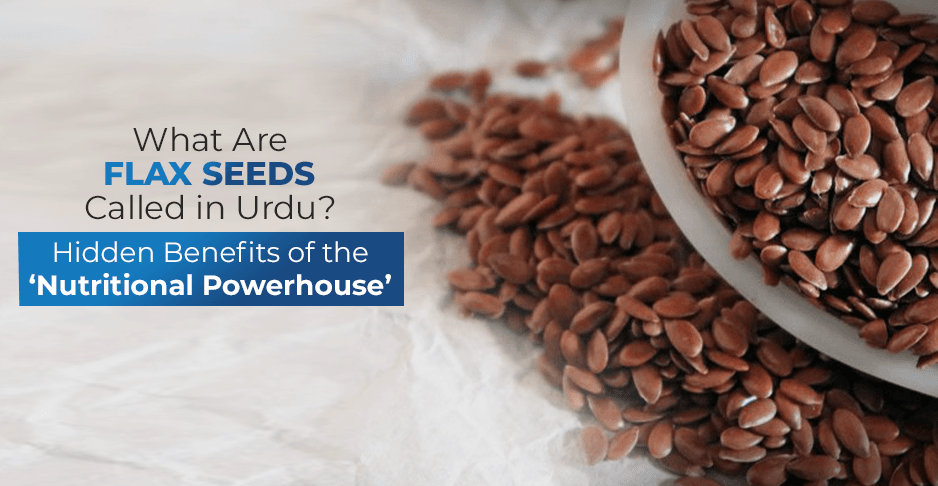
In Urdu, flax seeds are called "السی کے بیج" (Alsi K Beej).
Flax seeds, also known as linseeds, have been cultivated for thousands of years and are celebrated for their numerous health benefits. These tiny, golden, or brown seeds are a rich source of essential nutrients, making them a popular addition to a health-conscious diet.
Nutritional Benefits of Flax Seeds
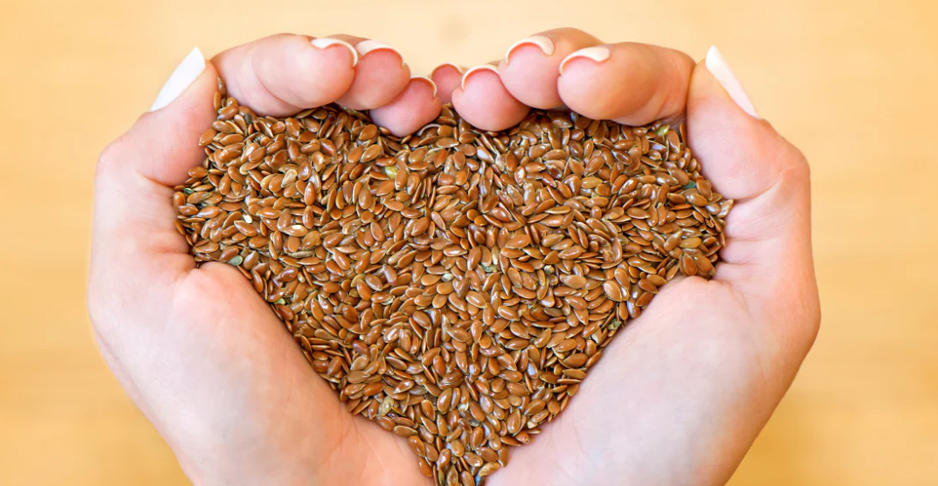
Flax seeds are packed with fiber, omega-3 fatty acids, and high-quality protein. They are also a great source of lignans, which have antioxidant properties. The fiber in flax seeds aids in digestion, helps maintain bowel regularity, and can contribute to a feeling of fullness, which may assist with weight management.
Flax Seeds for Heart Health
The omega-3 fatty acids in flax seeds, particularly alpha-linolenic acid (ALA), have been shown to benefit heart health. Regular consumption can help reduce inflammation, lower blood pressure, and decrease the risk of heart disease.
Hormonal Balance with Flax Seeds
Lignans, a type of phytoestrogen found in flax seeds, can help balance hormone levels in the body. They have been linked to a reduced risk of hormone-related cancers, such as breast cancer.
How to Incorporate Flax Seeds Into Your Diet for Nutritional Benefits?

Adding flax seeds to your diet is easy and versatile. They can be sprinkled on cereals, mixed into smoothies, or baked into breads and muffins. For optimal nutrient absorption, it’s best to consume ground flax seeds rather than whole, as whole seeds can pass through the digestive system without being fully broken down.
Conclusion
Incorporating flax seeds into your daily routine can provide a simple yet powerful boost to your overall health. Whether you're looking to improve heart health, balance hormones, or simply add more nutrients to your diet, flax seeds are a small but mighty addition to consider.

Find & Book the best "Nutritionist" near you
Book Appointment