

How Stress Affects Gut Health: 7 Conditions + Proven Ways To Fix


If you’ve ever felt your stomach churn before an important meeting or experienced sudden digestive discomfort during a stressful period, you’ve already witnessed the powerful connection between stress and gut health. This isn’t coincidence. It’s biology.
Modern research continues to confirm what clinicians have observed for decades: stress does not just affect your mind. It directly influences how your digestive system functions, feels, and responds to everyday triggers.
This guide goes far beyond surface-level explanations. You’ll learn exactly how stress affects your gut, which stomach conditions are most impacted, why symptoms worsen during emotional strain, and what evidence-based strategies actually help.
By the end, you’ll have a clear, medically grounded understanding of the gut–brain connection and how to manage stress-related digestive issues effectively.
"Get an instant in-clinic or online doctor consultation today, through Apka Muaalij."
Key Takeaways
-
Stress directly impacts digestion through the gut-brain axis
-
IBS is the most strongly stress-linked digestive condition
-
Stress alters gut motility, sensitivity, and microbiome balance
-
Chronic stress can worsen GERD, gastritis, and IBD symptoms
-
Managing stress is essential for long-term digestive health
-
Evidence-based strategies like CBT, diet, and mindfulness are highly effective
What Is the Gut-Brain Connection?
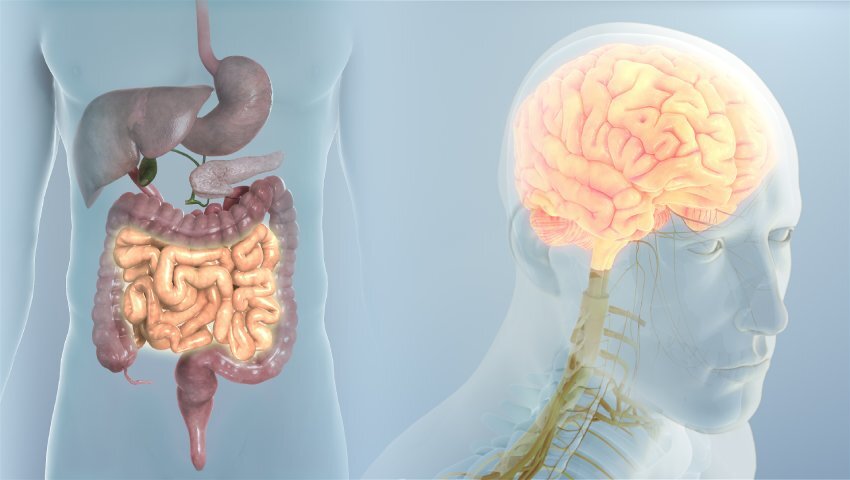
The gut-brain axis is a two-way communication system between the brain and the digestive system that allows emotional and physical signals to influence each other.
This connection involves:
-
The central nervous system (brain and spinal cord)
-
The enteric nervous system (often called the “second brain” in the gut)
-
The vagus nerve (primary communication pathway)
-
Hormones like cortisol and adrenaline
-
The gut microbiome (trillions of bacteria)
Why This Matters
When you experience stress:
-
Your brain signals a threat
-
Stress hormones are released
-
Digestion is deprioritized
-
Gut movement and sensitivity change
This explains why stress can cause real, physical digestive symptoms, not just “in your head” discomfort.
How Stress Affects Your Digestive System
Stress affects digestion by altering gut motility, increasing sensitivity, disrupting gut bacteria, and triggering inflammation, which can lead to symptoms like bloating, pain, diarrhea, or constipation.
Key Physiological Effects
When stress becomes acute or chronic, it can:
-
Speed up or slow down digestion
-
Increase intestinal sensitivity (visceral hypersensitivity)
-
Alter gut microbiota balance (dysbiosis)
-
Reduce blood flow to digestive organs
-
Increase inflammation in the gut lining
-
Weaken the intestinal barrier
The “Fight or Flight” Effect
During stress, your body prioritizes survival over digestion. This leads to:
-
Reduced stomach acid regulation
-
Irregular bowel movements
-
Muscle contractions in the intestines
-
Increased perception of pain
Over time, this disruption can contribute to chronic gastrointestinal conditions.
7 Most Common Stomach Conditions Impacted by Stress

1. Irritable Bowel Syndrome (IBS)
IBS is the most strongly stress-linked digestive disorder.
What is IBS?
A functional gastrointestinal disorder characterized by:
-
Abdominal pain
-
Bloating
-
Diarrhea, constipation, or both
How Stress Affects IBS
Stress amplifies IBS symptoms by:
-
Increasing gut sensitivity
-
Disrupting intestinal contractions
-
Altering brain-gut signaling
Research from institutions like Monash University shows that stress is one of the most consistent triggers for IBS flare-ups.
Real-World Insight
Many patients report predictable flare cycles during:
-
Work deadlines
-
Travel
-
Emotional distress
-
Sleep disruption
2. Gastroesophageal Reflux Disease (GERD)
What is GERD?
A chronic condition where stomach acid flows back into the esophagus, causing:
-
Heartburn
-
Chest discomfort
-
Acid regurgitation
Stress Connection
Stress does not directly increase acid production in all cases, but it:
-
Increases sensitivity to acid
-
Worsens perception of pain
-
Encourages behaviors that trigger reflux (poor diet, late eating)
Studies published in The American Journal of Gastroenterology show a strong link between anxiety and increased GERD symptom severity.
3. Functional Dyspepsia (Indigestion)
Definition
Persistent upper abdominal discomfort without a clear structural cause.
Symptoms
-
Fullness after eating
-
Burning sensation
-
Nausea
-
Early satiety
Role of Stress
Stress can:
-
Delay stomach emptying
-
Increase stomach sensitivity
-
Heighten discomfort after meals
This condition is often misunderstood because tests appear normal, yet symptoms are very real.
4. Gastritis
What is Gastritis?
Inflammation of the stomach lining.
Causes
-
Infection (such as H. pylori)
-
NSAID use
-
Alcohol
-
Chronic stress
Stress Impact
While stress alone may not always cause gastritis, it can:
-
Increase inflammation
-
Weaken protective stomach lining
-
Worsen symptoms like pain and nausea
5. Peptic Ulcers
Definition
Open sores in the stomach or upper intestine.
Stress Link
Historically, stress was blamed as a primary cause. Today we know:
-
Most ulcers are caused by H. pylori or NSAIDs
-
However, stress can delay healing and worsen symptoms
Mechanism
Stress may:
-
Reduce blood flow to the stomach lining
-
Increase inflammation
-
Interfere with recovery
6. Inflammatory Bowel Disease (IBD)
Includes:
-
Crohn’s disease
-
Ulcerative colitis
Important Clarification
Stress does not cause IBD, but it can:
-
Trigger flare-ups
-
Increase symptom severity
-
Impact immune response
Studies in journals like Gut show stress is linked to relapse rates in IBD patients.
7. Bloating and Functional Gut Disorders
Even without a formal diagnosis, stress can cause:
-
Gas
-
Abdominal distension
-
Irregular digestion
Why It Happens
-
Changes in gut motility
-
Microbiome imbalance
-
Increased sensitivity to normal digestion
Comparison Table: Stress and Digestive Conditions
|
Condition |
Primary Symptoms |
How Stress Impacts It |
Severity Influence |
|
IBS |
Pain, bloating, bowel changes |
Alters motility and sensitivity |
High |
|
GERD |
Heartburn, reflux |
Increases symptom perception |
Moderate to high |
|
Dyspepsia |
Fullness, nausea |
Delays stomach emptying |
Moderate |
|
Gastritis |
Stomach pain, inflammation |
Worsens inflammation |
Moderate |
|
Ulcers |
Burning pain |
Delays healing |
Moderate |
|
IBD |
Diarrhea, inflammation |
Triggers flare-ups |
High |
|
Functional bloating |
Gas, discomfort |
Alters digestion |
Mild to moderate |
The Role of the Gut Microbiome in Stress
Your gut contains trillions of bacteria that influence:
-
Digestion
-
Immunity
-
Mood regulation
How Stress Disrupts the Microbiome
Chronic stress can:
-
Reduce beneficial bacteria
-
Increase harmful microbes
-
Promote inflammation
-
Affect neurotransmitter production
Research in Nature Reviews Gastroenterology & Hepatology highlights how microbiome imbalance contributes to both digestive and mental health disorders.
Why Some People Are More Affected Than Others
Not everyone experiences stress-related stomach issues the same way.
Key Factors
-
Genetics
-
Gut microbiome diversity
-
Past trauma or chronic stress exposure
-
Diet and lifestyle habits
-
Sleep quality
Psychological Factors
Conditions like anxiety and depression are strongly linked to:
-
Increased gut sensitivity
-
More frequent digestive symptoms
This is why holistic treatment approaches often work best.
Evidence-Based Ways to Manage Stress-Related Stomach Issues
1. Cognitive Behavioral Therapy (CBT)
CBT helps:
-
Reframe stress responses
-
Reduce symptom amplification
-
Improve coping mechanisms
Clinical trials show CBT significantly improves IBS symptoms.
2. Mindfulness and Meditation
Practices like meditation can:
-
Lower cortisol levels
-
Improve gut-brain signaling
-
Reduce symptom severity
Even 10–15 minutes daily can have measurable benefits.
3. Diet Adjustments
Focus on:
-
Fiber-rich foods
-
Whole, unprocessed meals
-
Fermented foods (yogurt, kefir)
Avoid:
-
Ultra-processed foods
-
Excess caffeine
-
High-fat trigger foods
4. Regular Physical Activity
Exercise helps:
-
Regulate stress hormones
-
Improve gut motility
-
Enhance mood
Even walking 20–30 minutes daily can improve symptoms.
5. Sleep Optimization
Poor sleep increases:
-
Stress hormone levels
-
Gut sensitivity
Aim for:
-
7–9 hours of quality sleep
-
Consistent sleep schedule
6. Relaxation Techniques
Effective methods include:
-
Deep breathing exercises
-
Progressive muscle relaxation
-
Yoga
These activate the “rest and digest” response.
Common Misconceptions About Stress and Gut Health
“It’s all in your head”
False. Stress causes measurable physical changes in the digestive system.
“Stress only causes mild symptoms”
Not true. It can significantly worsen chronic conditions like IBS and IBD.
“Medication alone will fix it”
Often incomplete. Addressing stress is essential for long-term improvement.
Need Healthcare Assistance?
Our expert healthcare professionals, including the best gastroenterologists in Lahore, Karachi, Islamabad, and across Pakistan, are here to support you. If you have specific health concerns, queries, or lab tests, Apka Muaalij encourages you to consult your qualified specialists. Book an online video consultation or call 042-32377001.
Consult with the Top Gastroenterologists Near You
Frequently Asked Questions (FAQs)
Can stress really cause stomach problems?
Yes. Stress can directly affect digestion by altering gut movement, sensitivity, and microbiome balance. This can lead to symptoms like pain, bloating, diarrhea, or constipation, even in otherwise healthy individuals.
Why does my stomach hurt when I’m stressed?
Stress activates the fight-or-flight response, which disrupts normal digestion and increases gut sensitivity. This makes normal digestive processes feel painful or uncomfortable.
Can anxiety cause long-term digestive issues?
Yes. Chronic anxiety can contribute to conditions like IBS, GERD, and functional dyspepsia by continuously disrupting the gut-brain axis and digestive regulation.
Does stress increase stomach acid?
Not always directly, but it can increase sensitivity to acid and worsen symptoms of acid reflux or GERD, making discomfort feel more intense.
How do I know if my stomach issues are stress-related?
Symptoms that worsen during stressful periods, improve with relaxation, or lack a clear medical cause are often linked to stress. A medical evaluation is still important to rule out other conditions.
Can reducing stress improve digestive health?
Yes. Studies show that stress management techniques like CBT, mindfulness, and exercise can significantly reduce digestive symptoms, especially in IBS patients.
Is IBS caused by stress?
IBS is not caused solely by stress, but stress is a major trigger that can worsen symptoms and increase flare-ups through the gut-brain axis.
Can stress affect gut bacteria?
Yes. Chronic stress can disrupt the gut microbiome, reducing beneficial bacteria and increasing inflammation, which contributes to digestive symptoms.
Are stress-related stomach issues dangerous?
Most are not life-threatening, but they can significantly impact quality of life. However, persistent or severe symptoms should always be evaluated by a healthcare professional.
What is the fastest way to calm a stressed stomach?
Deep breathing, mindfulness, gentle movement, and hydration can quickly activate the body’s relaxation response and reduce digestive discomfort.
Disclaimer: This article is for informational and educational purposes only and is not a substitute for professional medical advice, diagnosis, or treatment. If you experience persistent or severe digestive symptoms, consult a qualified healthcare provider for proper evaluation and care.

Find & Book the best "Gastroenterologist" near you
Book Appointment