

Intermittent Fasting For Weight Loss: Maximizing Benefits During Ramadan
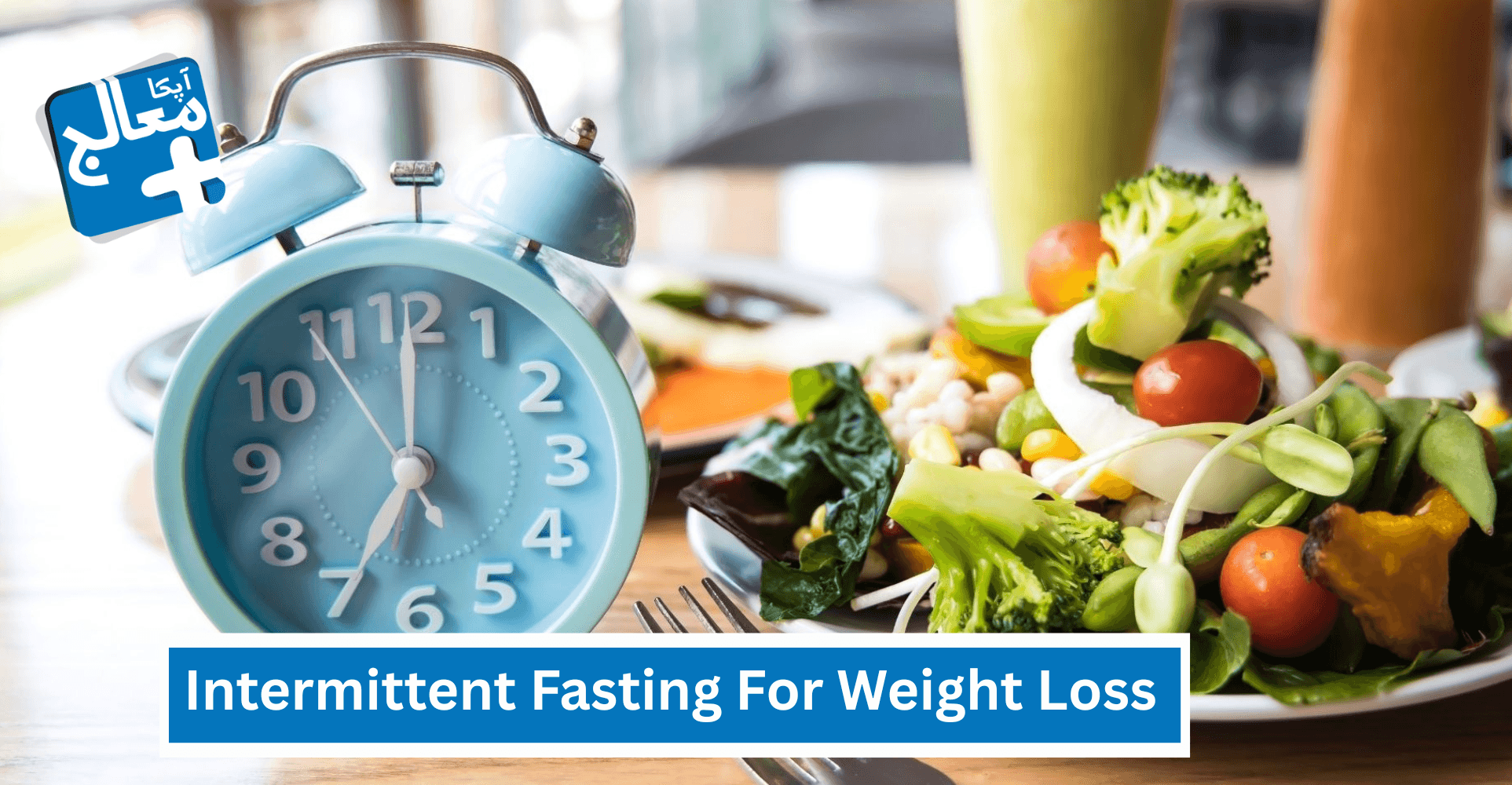
Ramadan has dawned upon us. Not only does this blessed month give Muslims across the globe an opportunity to write new good deeds and get closer to Allah, but it also provides health benefits. The primary focus of Ramadan is spiritual reflection, but Muslims can also strive to improve their physical health during this time.
During the holy month, Muslims fast from dawn until sunset, providing a natural framework for intermittent fasting. By understanding the principles of intermittent fasting and adopting strategic practices during Ramadan, individuals can maximize its benefits for weight loss.
Also read: "Top 10 Ways To Boost Your Immune System: Doctor-Recommended Tips"
Understanding Intermittent Fasting
Before we talk about its endless health benefits, let’s first look at what intermittent fasting is. In itself, it is an eating pattern that cycles between periods of eating and fasting. Rather than focusing on calorie restriction, like traditional methodologies, it focuses on when you eat, rather than how much. This certainly makes it a much more practical way, as it doesn’t technically restrict your calorie intake.
During the fasting phase, the body depletes its glycogen stores, transitioning into a state of ketosis, where it relies on stored fat or energy. This metabolic shift assists in weight loss by tapping into fat reserves and reducing the overall calorie intake.
Now, let’s dive into the benefits of intermittent fasting:
-
Regulate appetite hormones
-
Increased Insulin Sensitivity
-
Reduced Calorie Intake
-
Metabolic Boost
-
Improved Blood Pressure
Discover our latest articles and insights about fitness and a healthy lifestyle
Ramadan and Intermittent Fasting: The Perfect Fit
The practice of abstaining from food and drink from sunrise to sunset during Ramadan is quite identical to a form of intermittent fasting. This natural alignment offers individuals a chance to leverage the potential weight loss benefits of intermittent fasting, while at the same time fulfilling religious obligations.
Maximizing Benefits During Ramadan
Intermittent fasting may seem difficult in itself, but thankfully, due to Ramadan, the routine makes it easier for those who plan on starting. So, let's look at how you can maximize the benefits of intermittent fasting during Ramadan.
Suhur and Iftar
In Intermittent Fasting, the goal is to eat during a specific window; what better time to do that than Ramadan? Suhur, the pre-dawn meal, and iftar, the meal to break the fast at sunset, are the most important moments for individuals in Ramadan. Now, the goal here is to ensure optimal meal planning during these times, and if one’s able to efficiently do that, then it can influence energy levels, satiety, and overall nutritional intake. Prioritize complex carbohydrates, lean proteins, and healthy fats during Suhur to sustain energy levels throughout the day.
Furthermore, incorporating fiber-rich foods and hydrating properly can support digestive health and prevent gastric issues. For iftar, the focus needs to be on balanced meals, comprising lean proteins, vegetables, whole grains, and healthy fats to replenish nutrients and promote satiety.
Hydration and Electrolyte Balance
The biggest challenge in Ramadan is to maintain hydration, and it is also the most essential thing to do. The important thing to keep in mind here is that intermittent fasting allows the use of fluids throughout the day, but that isn’t the case in Ramadan. Considering the temperature and extended fasting hours in some regions, hydration and electrolyte balance are crucial. Dehydration can impair physical and cognitive function, metabolic processes, and hinder weight loss goals.
The aim should be to maintain regular water intake and also incorporate hydrating foods, like watermelon, cucumbers, and so on. Additionally, replenish electrolytes lost through sweat by consuming foods rich in magnesium, potassium, and sodium.
Exercise and Physical Activity
During intermittent fasting, many individuals may adjust their exercise routines to effectively accommodate changes in energy levels and hydration status. Indulging yourself in light to moderate physical activity before Suhur or after Iftar can promote calorie expenditure, improve mood, and also enhance your overall well-being.
One could also incorporate activities like brisk walking, bodyweight exercises that are suitable for a fasting state, and yoga.
Sleep Schedule
Sleep is something people tend to overlook, especially if they have an incredibly busy schedule. Adequate sleep and stress management are primary components of weight loss and overall health, but one needs to remember that fasting may impact the quality of sleep and stress levels.
Prioritize getting sufficient rest during the night and incorporate relaxation techniques like stretching, meditation, and deep breathing. Likewise, create a conducive sleep environment that is free from distractions, and establish a consistent sleep-wake schedule to optimize quality.
Also learn: "7 Causes of Unexplained Weight Gain in Men After Marriage"
Conclusion
Ramadan is a great opportunity to nourish your soul, and at the same time improve your physical health. The month offers a holistic approach to weight loss, and by implementing strategic practices, individuals can maximize the benefits of intermittent fasting while honoring their religious traditions. Embrace Ramadan as an opportunity for physical, mental, and spiritual renewal, and approach fasting with gratitude and mindfulness.
What do you think about this? Share with us in the comments section below.

Find & Book the best "Clinical Dietician" near you
Book Appointment
Dr. Muhammad Usama, RPh
Dr. Dr. Muhammad Usama, RPh is a highly experienced specialist based in Lahore, Pakistan with over several years of clinical expertise. Specializing in evidence-based and patient-centered care, they provides advanced treatment tailored to individual needs. Currently available on Apka Muaalij, appointments can be booked at 042-32377001.