

Is Postpartum Depression Real & How To Avoid It?
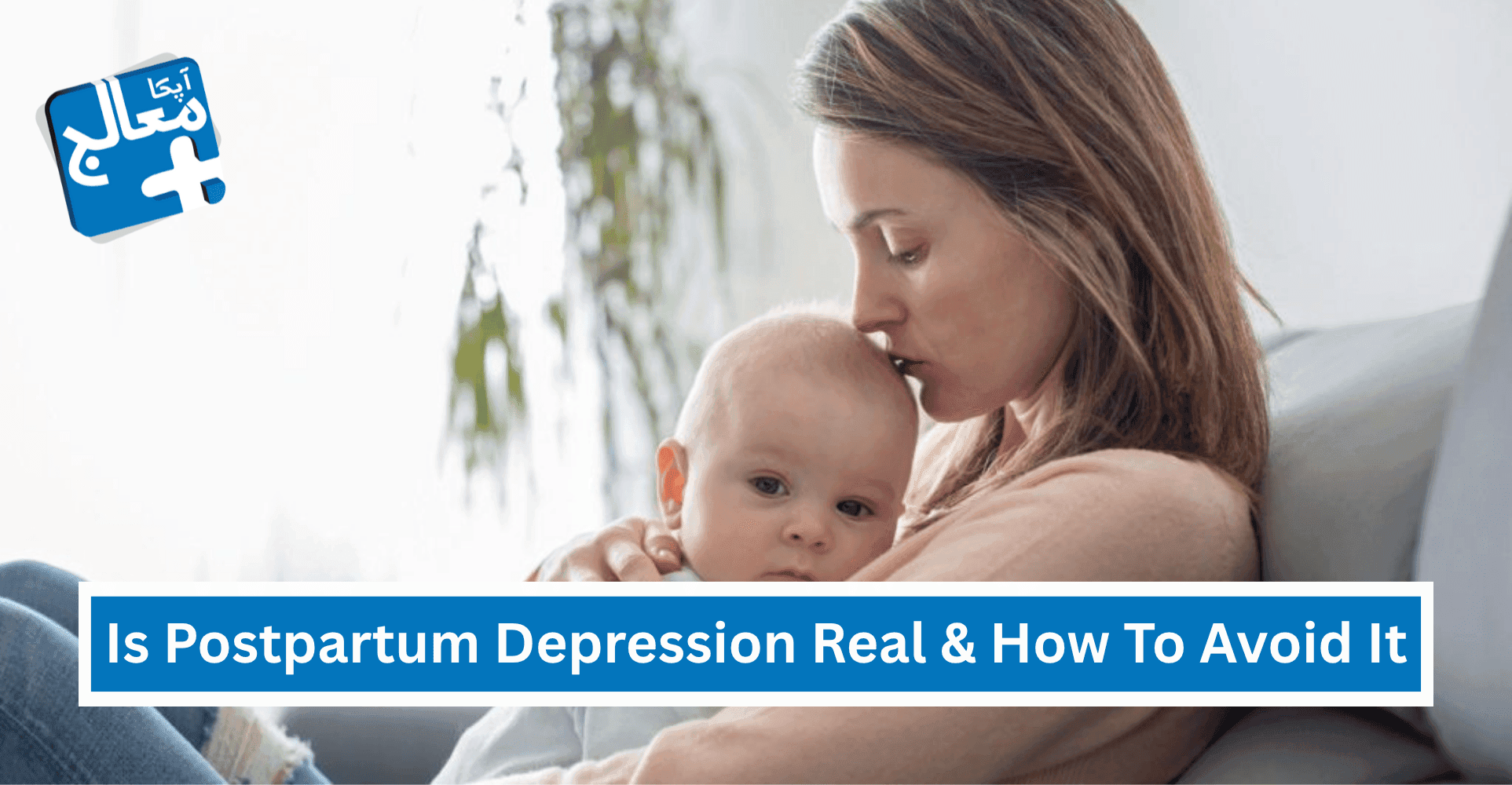
Postpartum depression is a serious mental health issue, like other forms of depression and anxiety. Mild depression or baby blues, like feeling emotional, sad, anxious, stressed, or weepy, is prevalent among women after childbirth, but PPD is more severe and needs proper attention. It affects 1 in 7 women after giving birth to a baby and lasts for weeks or even months. It can affect all kinds of women regardless of any factors like age, color, or race, and indirectly affects your baby.
Also read: "14 Warning Signs Of Depression In Men You Should Never Ignore"
What is Postpartum Depression?

Postpartum depression occurs after childbirth and can show up in many ways, such as overwhelming fatigue, persistent sadness, and a loss of interest in taking care of your baby. The birth of a new baby can bring an ocean of emotions, from joy to fear and anxiety. It is a matter of concern that 75% of women with PPD are ignored and remain untreated for months, even a year after childbirth.
How Common is Postpartum Depression?
The prevalence of postpartum depression varies depending on the factors and the studies conducted. The Centers for DISEASE CONTROL AND PREVENTION (CDC) suggests that nearly 11-20% of women in the United States go through postpartum Depression. While globally the range is from 10 to 15% even higher in underdeveloped and poor countries. According to a study published in JAMA Psychiatry, approximately 50% of women are not diagnosed with PPD, and they go untreated.
Also learn: "Attention Deficit Hyperactivity Disorder (ADHD) - Causes & Treatment"
Signs and Symptoms of Postpartum Depression

Since Postpartum Depression is usually neglected, it is crucial to recognize it early by the symptoms for effective intervention and treatment.
-
Consistent sadness
-
Too much crying
-
Losing interest in taking care of the baby
-
Severe Fatigue
-
panic attacks
-
Irritability
-
Disturbed sleep patterns
-
Loss of appetite
-
Thoughts of Self-Harm
-
Severe mood swings
-
Insomnia or no sleep at all
-
Fear of not being a good mom
Discover our latest articles and insights about mental health
Causes and Risk Factors of Postpartum Depression
Several factors contribute to postpartum depression, as the exact cause is unknown.
Hormonal Changes
After childbirth, the rapid drop in hormones like estrogen and progesterone can trigger mood swings and depression.
History of Depression
Bipolar disorder or other mental health issues can trigger PPD in a woman who has just given birth to a child. Even mental disorders running in families can be a risk factor for your PPD.
Unplanned Pregnancy
Even an unwanted or unplanned pregnancy can contribute to PPD. Stressful Life Events: Sudden life changes, weak support systems, or monetary issues can play a huge role in developing PPD.
Complications During Childbirth
Traumatic and Difficult pregnancies or having twins or triplets with health issues can also be one of the causes of it.
Breastfeeding Challenges
Some women face challenges during breastfeeding, and halting early breastfeeding can trigger PPD.
Postpartum Psychosis
While considering postpartum depression seriously, it is mandatory to look at postpartum psychosis, as the woman might be having this condition, which is even more severe than PPD. You need to look at the following symptoms:
-
Obsessive thoughts about your baby
-
Delusions and Hallucinations
-
Feeling upset or having too much energy
-
Having thoughts of being paranoid
-
Making attempts to harm your baby
Postpartum psychosis, being a more severe illness, needs immediate action and can be life-threatening for the woman and the baby.
You may also like to read: "17 Powerful Surbex Z Benefits, Uses & Side Effects"
Effective Treatments for Postpartum Depression

Immediate treatment right after recognition of PPD can be more helpful, though it is essential for the well-being of the mother and the baby.
Therapy
Cognitive Behavioral Therapy (CBT) and Interpersonal Therapy (IPT) are highly effective in treating PPD. These therapies help women manage negative thoughts and improve their relationships.
Medication
Antidepressants and anxiolytics are usually prescribed by experts like psychiatrists for the effective treatment of PPD. These medications help balance the chemicals in your brain that are affected by childbirth.
Establish a support system.
You can join community groups or make a list of people you can reach out to in your hour of need. It can be anyone, like your partner, friends, or family members, who you think you can open up to easily.
Combat sleep challenges
Women with newly born babies are mostly sleep deprived for multiple reasons, and it can be combated by sharing nighttime responsibilities or sleep training your child.
Seek professional help
It is not enough to try self-care or find help from around, but also reach out to healthcare professionals who can better guide you to treat yourself fast.
You may also learn: "20 Best Multivitamins In Pakistan For Men & Women’s Health [2025 Guide]"
How to Support a Loved One?

Supporting loved ones is as mandatory as sharing other responsibilities and activities of life. Immediate help can only be sought by someone around, and that can be you. Be available as much as you can and be all ears without any judgment. Taking care of a baby is not the only task of the woman who gave birth, but also anyone who is close and around should give a helping hand to her. It is hard for them to accept the fact that they need professional help, and gently encourage them to look for such options. Learn more about it so that you can assist them in a better way.
Also read: "Movax Tablet Uses In Urdu, Benefits, Usage, Side Effects & Price In Pakistan"
Conclusion
Mental health disorders and illnesses can have a huge impact on your life. Ignoring such signs can be troublesome for you for the rest of your life. Prompt action is required in case of Postpartum Depression for timely treatment. If your loved one is struggling with such signs and symptoms, professional help should be encouraged in the first place to make the right choice regarding the treatment. Remember that support is available; all you have to do is take the right steps.

Find & Book the best "Psychologist" near you
Book Appointment
Dr. Muhammad Usama, RPh
Dr. Dr. Muhammad Usama, RPh is a highly experienced specialist based in Lahore, Pakistan with over several years of clinical expertise. Specializing in evidence-based and patient-centered care, they provides advanced treatment tailored to individual needs. Currently available on Apka Muaalij, appointments can be booked at 042-32377001.