

Memory Loss: Normal Or Serious? Find Out Before It's Too Late


Forgetting where you placed your keys, missing an appointment, or struggling to remember a familiar name can happen to anyone. But when memory problems become frequent, worsen over time, or begin affecting daily life, they may signal something more serious than normal aging. Memory loss is a growing health concern worldwide, including in Pakistan, where increasing life expectancy, diabetes, hypertension, stress, and neurological disorders contribute to cognitive decline.
The good news is that not all memory loss is permanent or caused by dementia. In many cases, treatable conditions such as vitamin deficiencies, thyroid disorders, depression, sleep problems, medication side effects, or infections may be responsible. Early recognition can make a significant difference in identifying reversible causes and slowing the progression of serious neurological diseases.
This evidence-based guide explains the difference between normal forgetfulness and concerning memory loss, outlines common causes, symptoms, diagnosis, treatment options, prevention strategies, and when to seek medical attention. Whether you're worried about yourself or a loved one, understanding the warning signs can help you make informed healthcare decisions before it's too late.
Concerned about persistent memory problems? Early evaluation can identify treatable causes. Speak with a qualified top neurologist or mental health specialist through Apka Muaalij or call 042-32377001 for professional guidance.
Quick Answer
Memory loss is not always a normal part of aging. Occasional forgetfulness is common, but memory problems that interfere with work, relationships, safety, or daily activities should be evaluated by a healthcare professional. Early diagnosis can identify reversible causes or help manage conditions such as mild cognitive impairment, Alzheimer's disease, stroke, depression, or vitamin deficiencies.
Must read: "Reduce Workplace Stress In Pakistan Before It Costs You More"
Key Takeaways
-
Memory loss is not always a normal part of aging and should be evaluated if it disrupts daily life.
-
Many causes of memory impairment, such as vitamin deficiencies, thyroid disease, depression, and medication side effects, are treatable.
-
Progressive memory decline may indicate conditions like mild cognitive impairment or dementia and may benefit from early assessment.
-
Regular exercise, healthy eating, quality sleep, social engagement, and control of blood pressure and diabetes support long-term brain health.
-
Sudden memory loss or memory problems accompanied by stroke-like symptoms require immediate emergency medical attention.
-
Early diagnosis can improve outcomes, guide treatment, and help patients and families plan appropriate care.
What Is Memory Loss?

Memory loss, also known as amnesia or memory impairment, refers to difficulty recalling information, learning new information, or remembering past events beyond what is expected for a person's age.
Memory involves several brain functions, including:
-
Learning new information
-
Storing memories
-
Retrieving stored information
-
Recognizing familiar people and places
-
Remembering daily tasks
Temporary forgetfulness is common, but progressive or disabling memory loss requires medical assessment.
Related Articles:
- Does Seeing A Psychologist In Pakistan Mean You’re “Crazy”?
- Telepsychiatry In Pakistan: What It Is, How It Works, Benefits & Best Platforms
- Early Signs Of Bipolar Disorder: 13 Warning Symptoms You Shouldn’t Ignore
Is Memory Loss a Normal Part of Aging?

Normal age-related memory changes include:
-
Occasionally forgetting names but remembering them later
-
Misplacing everyday items
-
Needing reminders or calendars
-
Taking longer to learn new technology
-
Forgetting why you entered a room occasionally
These changes generally do not interfere with independent living.
Serious memory loss may include:
-
Repeating the same questions repeatedly
-
Getting lost in familiar places
-
Forgetting close family members
-
Difficulty managing finances or medications
-
Missing appointments frequently
-
Significant personality or behavior changes
Normal Forgetfulness vs Serious Memory Loss
|
Normal Aging |
Possible Serious Memory Loss |
|
Occasionally forgets names |
Frequently forgets familiar people |
|
Misplaces items |
Cannot retrace steps |
|
Needs reminders |
Cannot perform familiar tasks |
|
Learns slowly |
Cannot learn new information |
|
Independent daily functioning |
Difficulty living independently |
|
Stable over time |
Progressively worsening |
Common Causes of Memory Loss
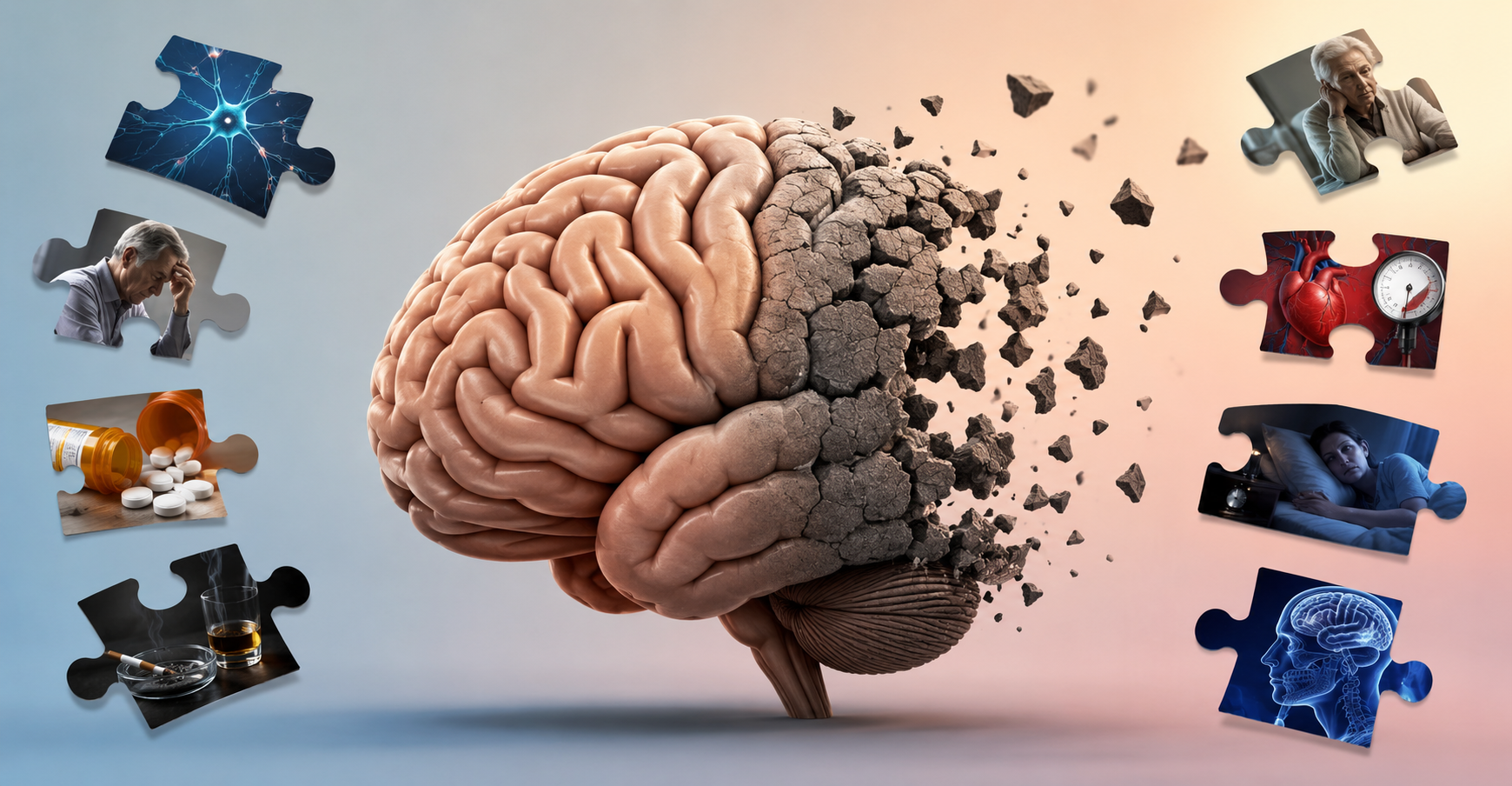
Memory problems may result from numerous medical, psychological, and neurological conditions.
1. Alzheimer's Disease
The most common cause of dementia.
Symptoms include:
-
Progressive memory decline
-
Language difficulties
-
Poor judgment
-
Disorientation
-
Personality changes
2. Mild Cognitive Impairment (MCI)
MCI causes measurable memory decline without significant loss of independence. Some individuals remain stable, while others progress to dementia.
3. Stress and Anxiety
Chronic stress increases cortisol levels, which can impair attention, concentration, and memory formation.
4. Depression
Depression may cause "pseudodementia," where poor concentration and slowed thinking resemble memory loss but often improve with treatment.
5. Sleep Disorders
Poor sleep affects memory consolidation.
Examples include:
-
Sleep apnea
-
Chronic insomnia
-
Shift work
-
Sleep deprivation
6. Vitamin Deficiencies
Especially:
-
Vitamin B12 deficiency
-
Folate deficiency
-
Vitamin D deficiency (indirect association)
7. Thyroid Disorders
An underactive thyroid can slow brain function and affect memory.
Must read: "Need a Psychiatrist? 11 Signs You Shouldn't Ignore سنجیدہ علامات"
8. Medication Side Effects
Certain medications may impair memory, including:
-
Sedatives
-
Sleeping pills
-
Some antihistamines
-
Anticholinergic medications
-
Certain pain medications
Never stop prescribed medicines without medical advice.
9. Stroke
Memory impairment can occur after strokes affecting memory-related brain regions.
10. Head Injury
Traumatic brain injury may cause temporary or permanent memory problems.
11. Alcohol and Substance Misuse
Long-term excessive alcohol use can damage memory and increase the risk of cognitive impairment.
12. Brain Infections or Tumors
Less common but important causes require urgent medical evaluation.
Must read: "10 Mental Health Myths Pakistani Families Should Stop Believing"
Risk Factors for Memory Loss
Several factors increase the likelihood of memory decline:
-
Increasing age
-
Family history of dementia
-
Diabetes
-
High blood pressure
-
High cholesterol
-
Smoking
-
Physical inactivity
-
Obesity
-
Stroke
-
Depression
-
Hearing loss
-
Poor sleep
-
Social isolation
In Pakistan, uncontrolled diabetes, hypertension, smoking, and delayed access to preventive healthcare may further increase the risk of cognitive impairment.
Symptoms That Should Never Be Ignored
Seek medical evaluation if memory loss is accompanied by:
-
Getting lost in familiar surroundings
-
Difficulty speaking or understanding language
-
Personality changes
-
Hallucinations
-
Poor decision-making
-
Difficulty recognizing loved ones
-
Frequent confusion
-
Falls
-
Trouble managing money
-
Sudden memory loss
-
Weakness or speech difficulty
Sudden memory loss may represent a medical emergency.
Must read: "Men’s Mental Health Challenges In Pakistan: Causes, Symptoms & Treatment"
How Doctors Diagnose Memory Loss
Diagnosis usually includes:
-
Detailed medical history
-
Family interview
-
Physical examination
-
Neurological examination
-
Cognitive screening tests
-
Blood tests
-
Brain imaging (CT or MRI)
-
Depression screening
-
Medication review
Additional tests may be recommended depending on the suspected cause.
Common Tests Used
|
Test |
Purpose |
|
Detect vitamin deficiency, thyroid disease, and infection |
|
|
Identify stroke, tumors, and brain shrinkage |
|
|
Detect structural brain abnormalities |
|
|
Cognitive testing |
Evaluate memory and thinking skills |
|
Neuropsychological assessment |
Detailed evaluation of brain function |
If you or a family member has worsening forgetfulness, don't wait for symptoms to progress. Apka Muaalij can connect you with experienced neurologists and psychiatrists. Call 042-32377001 to arrange a consultation.
Treatment for Memory Loss
Treatment depends entirely on the underlying cause.
Reversible causes may improve with:
-
Vitamin replacement
-
Treating thyroid disorders
-
Better sleep
-
Managing depression
-
Medication adjustments
-
Treating infections
Alzheimer's disease treatment may include:
-
Cholinesterase inhibitors
-
NMDA receptor antagonists
-
Disease-modifying therapies (for selected eligible patients where available)
-
Cognitive rehabilitation
-
Caregiver support
Treatment plans should always be individualized by a qualified healthcare professional.
Related Articles:
- What Are The Best Medicines For ADHD In Pakistan?
- ADHD in Adults: Symptoms, Causes, Diagnosis, and Treatment Guide (2026)
- Early Warning Signs Of Schizophrenia In Urdu, Causes & Treatments (In Teens)
Lifestyle Changes That Support Brain Health
Research consistently supports several healthy habits that reduce the risk of cognitive decline.
Exercise
Aim for at least 150 minutes of moderate physical activity each week.
Healthy Diet
Focus on:
-
Vegetables
-
Fruits
-
Whole grains
-
Fish
-
Nuts
-
Olive oil
-
Beans
Limit:
-
Sugary drinks
-
Ultra-processed foods
-
Excess salt
-
Trans fats
Mental Activity
Keep your brain active through:
-
Reading
-
Learning languages
-
Crossword puzzles
-
Social interaction
-
Music
-
Lifelong learning
Sleep
Adults should generally aim for 7–9 hours of quality sleep each night.
Must read: "Can't Sleep? 11 Hidden Reasons Your Brain Won't Switch Off"
Control Chronic Diseases
Proper management of:
helps protect brain health.
Can Memory Loss Be Prevented?
Although not every cause is preventable, many risk factors are modifiable.
Prevention Checklist
-
Exercise regularly
-
Eat a Mediterranean-style diet
-
Avoid smoking
-
Limit alcohol
-
Sleep well
-
Control blood pressure
-
Manage diabetes
-
Treat hearing loss
-
Stay socially active
-
Continue learning throughout life
Memory Loss in Younger Adults
Memory problems are not limited to older adults.
Possible causes include:
-
Burnout
-
Sleep deprivation
-
Vitamin deficiency
-
Substance use
-
Multiple sclerosis
-
Certain medications
Persistent symptoms should not be ignored, regardless of age.
When Should You See a Doctor?
Arrange a medical evaluation if memory loss:
-
Is worsening over time
-
Affects work or school
-
Interferes with daily life
-
Causes safety concerns
-
Is accompanied by confusion
-
Occurs suddenly
-
Follows a head injury
-
Develops with weakness, speech problems, or vision changes
Immediate emergency care is needed if memory loss occurs suddenly with stroke-like symptoms.
Need Experts' Support?
Early assessment offers the best chance to identify reversible conditions and start appropriate treatment. Contact Apka Muaalij or call 042-32377001 to receive guidance from qualified healthcare professionals.
Conclusion
Memory loss ranges from harmless age-related forgetfulness to symptoms of serious medical conditions that require prompt attention. While occasional lapses are common, persistent, worsening, or disabling memory problems should never be dismissed as "just getting older." Identifying the underlying cause early can reveal reversible conditions or enable timely management of progressive neurological diseases.
Protecting your brain starts with healthy lifestyle choices, effective management of chronic conditions, regular medical checkups, and seeking professional advice when warning signs appear. If you or someone you care about is experiencing concerning memory changes, don't delay an evaluation—early action offers the best opportunity for diagnosis, treatment, and maintaining quality of life.
Disclaimer: This article is intended for educational purposes only and should not be considered a substitute for professional medical advice, diagnosis, or treatment. Always consult a qualified healthcare professional regarding any symptoms, medical conditions, or treatment decisions. Seek immediate emergency medical care if you experience sudden memory loss or symptoms suggestive of a stroke or other medical emergency.

Find & Book the best "Neurologist" near you
Book Appointment