

Mental Health Treatment In Pakistan: Symptoms, Causes, Recovery & More


Mental health conditions affect millions of people worldwide, including a growing number of individuals in Pakistan. Despite increasing awareness, many people still struggle to recognize mental health symptoms, seek timely treatment, or access appropriate care. Stigma, lack of understanding, financial concerns, and limited mental health resources often delay diagnosis and treatment, allowing symptoms to worsen over time.
Mental health is just as important as physical health. It influences how people think, feel, behave, manage stress, build relationships, and make decisions. Untreated mental health disorders can affect education, employment, family life, physical well-being, and overall quality of life.
Pakistan has witnessed rising rates of anxiety, depression, stress-related disorders, substance misuse, and other psychiatric conditions due to social, economic, environmental, and health-related challenges. Fortunately, effective treatments are available, including psychotherapy, medications, lifestyle interventions, and specialist mental healthcare.
This comprehensive guide explains mental health symptoms, causes, warning signs, diagnosis, treatment options, medications, prevention strategies, and available mental health resources in Pakistan.
Consult a Healthcare Specialist?
If you or a loved one is experiencing persistent emotional distress, anxiety, depression, or behavioral changes, consider speaking with a qualified mental health professional through Apka Muaalij or call 042-32377001 for professional guidance and support.
Key Takeaways
-
Mental health is an essential part of overall health and well-being.
-
Depression, anxiety, bipolar disorder, PTSD, and schizophrenia are treatable conditions.
-
Early recognition of mental health symptoms improves outcomes.
-
Treatment may include psychotherapy, medications, and lifestyle interventions.
-
Mental health stigma remains a major barrier to care in Pakistan.
-
Children, women, men, and older adults can all experience mental health disorders.
-
Professional help should be sought when symptoms affect daily functioning or safety.
Must read: "Early Signs Of Schizophrenia: Symptoms You Should Never Ignore"
What Is Mental Health?
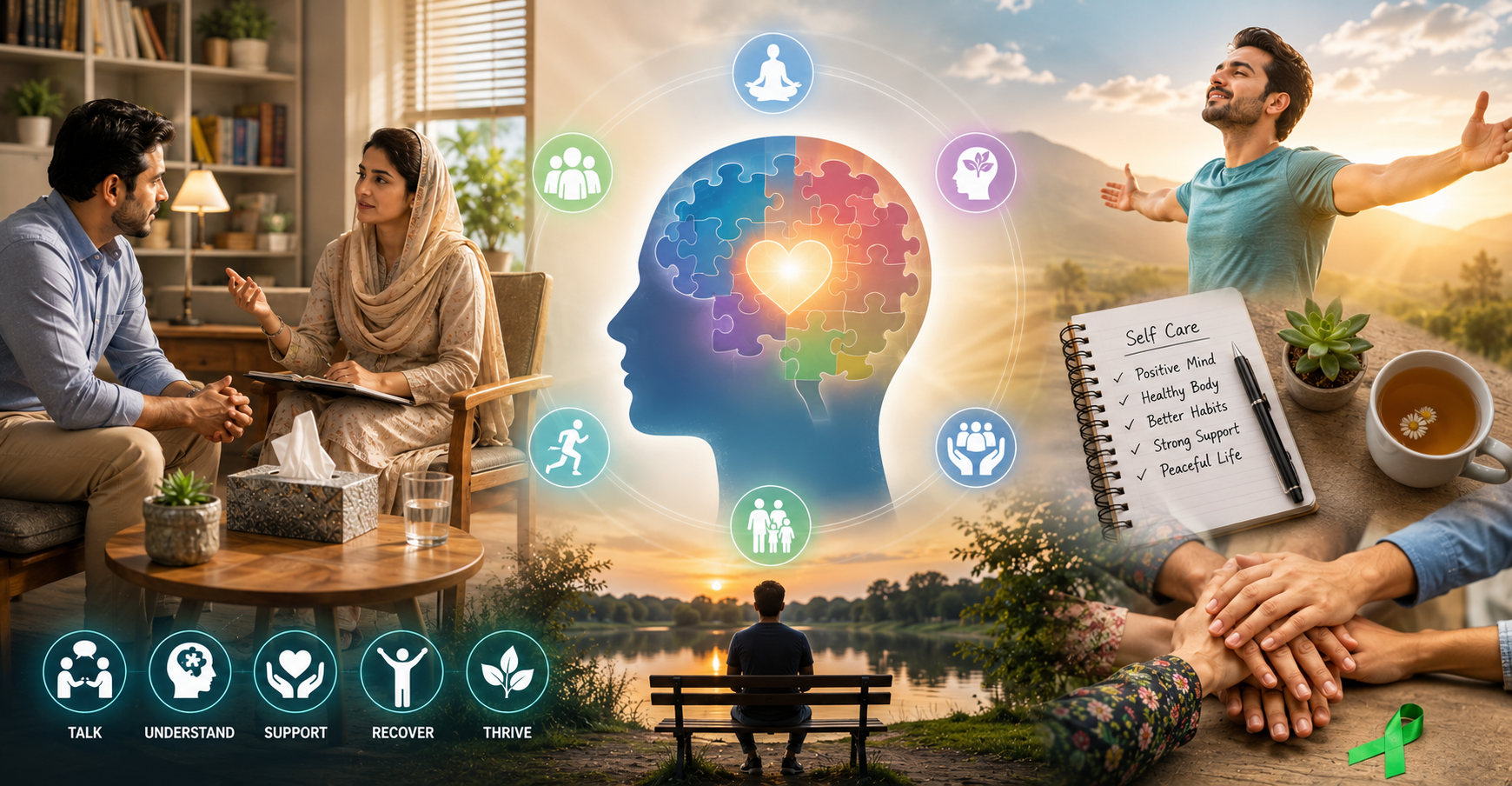
Mental health refers to a person's emotional, psychological, and social well-being. It affects how individuals:
-
Think and process information
-
Manage emotions
-
Handle stress
-
Interact with others
-
Make decisions
-
Cope with life's challenges
According to the World Health Organization (WHO), mental health is more than the absence of mental illness. It is a state of well-being that enables people to realize their abilities, work productively, manage normal stresses, and contribute to their communities.
Common Mental Health Disorders in Pakistan
Several mental health conditions commonly affect individuals across all age groups.
Depression
Depression is a mood disorder characterized by persistent sadness, hopelessness, and loss of interest in activities.
Anxiety Disorders
These include:
-
Generalized Anxiety Disorder (GAD)
-
Panic Disorder
-
Social Anxiety Disorder
-
Specific Phobias
Bipolar Disorder
A condition involving episodes of depression and mania or hypomania.
Obsessive-Compulsive Disorder (OCD)
Characterized by intrusive thoughts and repetitive behaviors.
Post-Traumatic Stress Disorder (PTSD)
Develops after exposure to traumatic events.
Schizophrenia
A severe psychiatric disorder affecting thinking, emotions, and perception of reality.
Substance Use Disorders
Including addiction to alcohol, prescription medications, and illicit substances.
Eating Disorders
Such as anorexia nervosa, bulimia nervosa, and binge-eating disorder.
More read: "15 Common Reasons For Headaches: Types, Warning Signs & When To See A Doctor"
Mental Health Symptoms
Mental health symptoms vary depending on the condition but often include emotional, cognitive, physical, and behavioral changes.
Emotional Symptoms
-
Persistent sadness
-
Excessive worry
-
Irritability
-
Mood swings
-
Feelings of hopelessness
-
Emotional numbness
-
Excessive fear
Cognitive Symptoms
-
Poor concentration
-
Memory difficulties
-
Racing thoughts
-
Negative thinking patterns
-
Difficulty making decisions
Physical Symptoms
Behavioral Symptoms
-
Social withdrawal
-
Decline in work or school performance
-
Increased substance use
-
Risk-taking behaviors
-
Changes in personal hygiene
Mental Health Warning Signs
Seek professional assessment if you notice:
-
Symptoms lasting more than two weeks
-
Significant changes in behavior
-
Persistent anxiety or sadness
-
Frequent panic attacks
-
Self-harm behaviors
-
Thoughts of suicide
-
Hallucinations or delusions
-
Severe mood instability
-
Inability to perform daily activities
Early intervention significantly improves treatment outcomes.
Also read: "How Family Pressure In Pakistan Affects Mental Health & How To Fix It"
Mental Health Causes
Mental health disorders usually result from a combination of biological, psychological, environmental, and social factors.
Biological Factors
-
Genetics
-
Brain chemistry abnormalities
-
Hormonal imbalances
-
Neurological conditions
-
Chronic medical illnesses
Psychological Factors
-
Childhood trauma
-
Abuse or neglect
-
Poor coping skills
-
Low self-esteem
Environmental Factors
-
Financial stress
-
Unemployment
-
Relationship conflicts
-
Social isolation
-
Exposure to violence
Lifestyle Factors
-
Sleep deprivation
-
Substance abuse
-
Poor nutrition
-
Physical inactivity
Also, go through: " Psychiatrist Vs Psychologist: Who Should You Visit for Anxiety, Depression Or Stress?"
Risk Factors for Mental Health Disorders
|
Risk Factor |
Impact on Mental Health |
|
Family history |
Increases genetic susceptibility |
|
Chronic illness |
Raises risk of depression and anxiety |
|
Trauma |
Associated with PTSD and mood disorders |
|
Substance misuse |
Can trigger or worsen psychiatric symptoms |
|
Social isolation |
Increases emotional distress |
|
Financial hardship |
Contributes to chronic stress |
|
Sleep disorders |
Affects emotional regulation |
|
Domestic violence |
Increases risk of multiple mental illnesses |
Mental Health in Pakistan: Current Challenges
Mental health care in Pakistan faces several barriers:
-
Limited mental health facilities
-
Shortage of psychiatrists and psychologists
-
Social stigma
-
Lack of awareness
-
Delayed diagnosis
-
Financial constraints
-
Unequal access in rural areas
Many individuals seek help only when symptoms become severe, which can complicate treatment and recovery.
Read: "8 Hidden Symptoms Of ADHD In Adults Most People Miss"
How Mental Health Disorders Are Diagnosed
Mental health diagnosis involves a comprehensive assessment by a psychiatrist, psychologist, or qualified healthcare provider.
The evaluation may include:
-
Medical history review
-
Symptom assessment
-
Psychological evaluation
-
Physical examination
-
Laboratory tests when necessary
-
Standardized mental health questionnaires
There is no single blood test that diagnoses most mental health disorders. Diagnosis is primarily based on clinical assessment.
Mental Health Treatment in Pakistan
Effective treatment depends on the specific diagnosis, symptom severity, and individual circumstances.
Psychotherapy
Psychotherapy, often called talk therapy, is one of the most effective treatments for many mental health conditions.
Common approaches include:
Cognitive Behavioral Therapy (CBT)
Helps identify and change unhealthy thought patterns and behaviors.
Interpersonal Therapy (IPT)
Focuses on improving relationships and communication skills.
Dialectical Behavior Therapy (DBT)
Commonly used for emotional regulation difficulties.
Trauma-Focused Therapy
Designed for PTSD and trauma-related disorders.
Also read: "How To Prepare For Ramadan Spiritually, Physically, & Mentally?"
Psychiatric Medications
Mental health drugs can help manage symptoms and improve functioning.
Common Medication Categories
|
Medication Type |
Used For |
|
Antidepressants |
Depression, anxiety disorders |
|
Anti-anxiety medications |
Anxiety and panic disorders |
|
Mood stabilizers |
Bipolar disorder |
|
Antipsychotics |
Schizophrenia and psychosis |
|
ADHD medications |
Attention-deficit hyperactivity disorder |
A qualified psychiatrist should always make medication decisions.
Lifestyle-Based Mental Health Treatment
Healthy lifestyle habits can complement professional treatment.
Regular Exercise
Research consistently shows physical activity improves mood and reduces symptoms of anxiety and depression.
Balanced Nutrition
A healthy diet supports brain function and emotional well-being.
Quality Sleep
Adults generally require 7–9 hours of sleep nightly.
Stress Management
Helpful strategies include:
-
Mindfulness
-
Meditation
-
Deep breathing exercises
-
Relaxation techniques
-
Time management
Personalized treatment plans often produce better outcomes than self-treatment. For expert assessment, medication review, or counseling referrals, consult a qualified psychiatrist through Apka Muaalij or contact 042-32377001.
Must read: "14 Warning Signs Of Depression In Men You Should Never Ignore"
Mental Health Medications: What Patients Should Know
Mental health medications are not "happy pills" or instant cures.
Important facts include:
-
Benefits may take several weeks to appear.
-
Some medications require dose adjustments.
-
Stopping medications abruptly can be dangerous.
-
Side effects vary among individuals.
-
Regular follow-up is essential.
Patients should never start or stop psychiatric medications without medical supervision.
Mental Health Treatment for Children and Adolescents
Children may experience:
-
Anxiety disorders
-
Depression
-
ADHD
-
Autism spectrum disorder
-
Behavioral disorders
Warning signs include:
-
Academic decline
-
Social withdrawal
-
Frequent emotional outbursts
-
Sleep problems
-
Behavioral changes
Early intervention can significantly improve long-term outcomes.
Women's Mental Health
Women may experience mental health challenges related to:
-
Pregnancy
-
Postpartum period
-
Hormonal changes
-
Menopause
-
Caregiving responsibilities
Conditions such as postpartum depression require prompt professional evaluation and treatment.
Men's Mental Health
Men may be less likely to seek help due to cultural expectations and stigma.
Common concerns include:
-
Depression
-
Anxiety
-
Substance misuse
-
Work-related stress
-
Suicide risk
Encouraging early support can prevent complications.
Read: "4 Shocking Benefits Of Tahajjud: When & How To Perform It?"
Mental Health Emergencies
Immediate medical attention is required if someone experiences:
-
Suicidal thoughts
-
Suicide attempts
-
Self-harm
-
Severe psychosis
-
Violent behavior
-
Extreme confusion
-
Loss of touch with reality
Emergency psychiatric care should never be delayed.
Can Mental Health Disorders Be Prevented?
Not all mental health conditions can be prevented, but risk can be reduced through:
-
Regular exercise
-
Healthy eating
-
Adequate sleep
-
Social support
-
Stress management
-
Avoiding substance abuse
-
Seeking help early
-
Managing chronic medical conditions
Must read: "20 Signs & Symptoms Of Porn Addiction & How To Get Rid Of It"
Common Myths About Mental Health
Myth: Mental illness is a sign of weakness.
Fact: Mental health disorders are legitimate medical conditions influenced by biological and environmental factors.
Myth: Therapy is only for severe mental illness.
Fact: Therapy can benefit people with mild, moderate, or severe concerns.
Myth: Psychiatric medications change your personality.
Fact: Appropriate treatment aims to improve functioning, not alter personality.
Myth: Mental illness cannot be treated.
Fact: Many conditions improve significantly with evidence-based treatment.
When Should You See a Mental Health Professional?
Consider seeking professional help if:
-
Symptoms persist beyond two weeks
-
Daily functioning is affected
-
Relationships are suffering
-
Work or studies are impacted
-
You experience panic attacks
-
You have thoughts of self-harm
-
Substance use is increasing
Early treatment often leads to better recovery outcomes.
Professional Mental Health Support in Pakistan
Confidential consultation with qualified psychiatrists, psychologists, and mental health specialists is available through Apka Muaalij. The service provides structured assessment, diagnostic guidance, and treatment planning tailored to individual needs.
Patients can access support through:
-
In-person appointments (where available)
-
Psychiatric evaluation and follow-up care
📞 For appointments or assistance: 042-32377001
Conclusion
Mental health disorders are common, treatable medical conditions that affect emotional, psychological, and social well-being. Understanding mental health symptoms, causes, warning signs, and available treatments empowers individuals to seek timely care and support.
In Pakistan, increasing awareness and reducing stigma are critical steps toward improving mental health outcomes. Evidence-based treatments—including psychotherapy, psychiatric medications, lifestyle modifications, and community support—can help people lead productive and fulfilling lives.
If symptoms persist, interfere with daily life, or involve thoughts of self-harm, professional medical evaluation should be sought promptly. Early intervention remains one of the most effective ways to improve recovery and long-term mental health.
Frequently Asked Questions (FAQs)
1. What is the most common mental health disorder in Pakistan?
Depression and anxiety disorders are among the most commonly reported mental health conditions in Pakistan. Stress related to finances, employment, education, family responsibilities, and health issues often contributes to these disorders.
2. Can mental health disorders be cured completely?
Some conditions may fully resolve, while others require long-term management. Early diagnosis, therapy, medications, and healthy lifestyle practices significantly improve outcomes and quality of life.
3. Are psychiatric medications safe?
When prescribed and monitored by qualified healthcare professionals, psychiatric medications are generally safe and effective. Benefits and risks should be discussed individually with a psychiatrist.
4. How long does mental health treatment take?
Treatment duration varies. Some individuals improve within weeks, while others may require months or years of ongoing care depending on the condition and severity.
5. Can children develop mental health disorders?
Yes. Children and adolescents can experience anxiety, depression, ADHD, autism spectrum disorder, and behavioral conditions that may require professional evaluation and treatment.
6. Is therapy effective without medication?
Many individuals benefit from therapy alone, especially in mild to moderate cases. Others may require a combination of psychotherapy and medication for optimal results.
7. What should I do if someone is having suicidal thoughts?
Take all suicidal statements seriously. Encourage immediate professional help and seek emergency medical assistance if there is an immediate risk of self-harm.
8. Does stress cause mental illness?
Stress alone does not always cause mental illness, but chronic stress can contribute to anxiety, depression, sleep disorders, and worsening of existing psychiatric conditions.
9. Can lifestyle changes improve mental health?
Yes. Regular exercise, healthy nutrition, sufficient sleep, social support, and stress reduction strategies can significantly support mental well-being and treatment outcomes.
10. How can I find mental health treatment in Pakistan?
Treatment is available through psychiatrists, psychologists, counseling centers, hospitals, telehealth platforms, and specialized mental health clinics across major cities and increasingly through online services.
CTA #3: If you are concerned about persistent mental health symptoms, do not wait for them to worsen. Schedule a consultation with a qualified mental health specialist through Apka Muaalij or call 042-32377001 to discuss evidence-based treatment options.
Disclaimer: This article is intended for educational and informational purposes only. It is not a substitute for professional medical advice, diagnosis, or treatment. Always consult a qualified healthcare professional regarding any medical condition, mental health concern, medication decision, or treatment plan.

Find & Book the best "Psychologist" near you
Book Appointment