

PCOS Weight Loss Diet Plan: Foods To Eat And Avoid


Polycystic Ovary Syndrome (PCOS) is one of the most common hormonal disorders affecting women of reproductive age. Along with irregular periods, acne, and fertility challenges, many women struggle with weight gain and difficulty losing weight. This is often linked to insulin resistance, a condition that affects how the body processes blood sugar and stores fat.
If you have been trying to lose weight without success, your diet may play a more important role than calorie restriction alone. Research shows that the right PCOS weight loss diet plan can improve insulin sensitivity, support hormone balance, reduce inflammation, and make weight management easier.
The good news is that you do not need expensive supplements or extreme diets. Simple dietary changes—such as choosing low-glycemic foods, increasing fiber intake, and prioritizing lean protein—can significantly improve PCOS symptoms and metabolic health.
In this guide, you'll learn the best foods to eat with PCOS, foods to avoid, practical meal-planning strategies, a sample 7-day PCOS diet plan, and evidence-based weight loss tips designed specifically for women with PCOS.
Consult a Healthcare Specialist?
Need personalized support for PCOS, weight management, or fertility concerns? Consult qualified healthcare women health specialists through Apka Muaalij or call 042-32377001 for expert guidance tailored to your health needs.
Key Takeaways
-
PCOS commonly affects weight management due to insulin resistance and hormonal imbalance.
-
A diet rich in lean protein, fiber-rich foods, healthy fats, and low-glycemic carbohydrates supports weight loss.
-
Whole wheat roti, lentils, beans, vegetables, nuts, seeds, and fish are beneficial choices.
-
Sugary drinks, refined flour, processed foods, and excess sugar should be minimized.
-
Even modest weight loss can improve menstrual health, fertility, and metabolic markers.
-
Regular exercise, quality sleep, and stress management enhance dietary benefits.
-
Personalized medical advice may be necessary for persistent symptoms or fertility concerns.
Must read: "PCOS & Pregnancy: What Women In Islamabad Need To Know"
What Is PCOS?
Polycystic Ovary Syndrome (PCOS) is a hormonal disorder characterized by:
-
Irregular or absent menstrual periods
-
Elevated androgen (male hormone) levels
-
Ovarian cysts in some women
-
Weight gain or difficulty losing weight
-
Acne and excessive hair growth
-
Fertility challenges
According to the World Health Organization (WHO), PCOS affects an estimated 8–13% of women of reproductive age worldwide, making it one of the leading endocrine disorders among women.
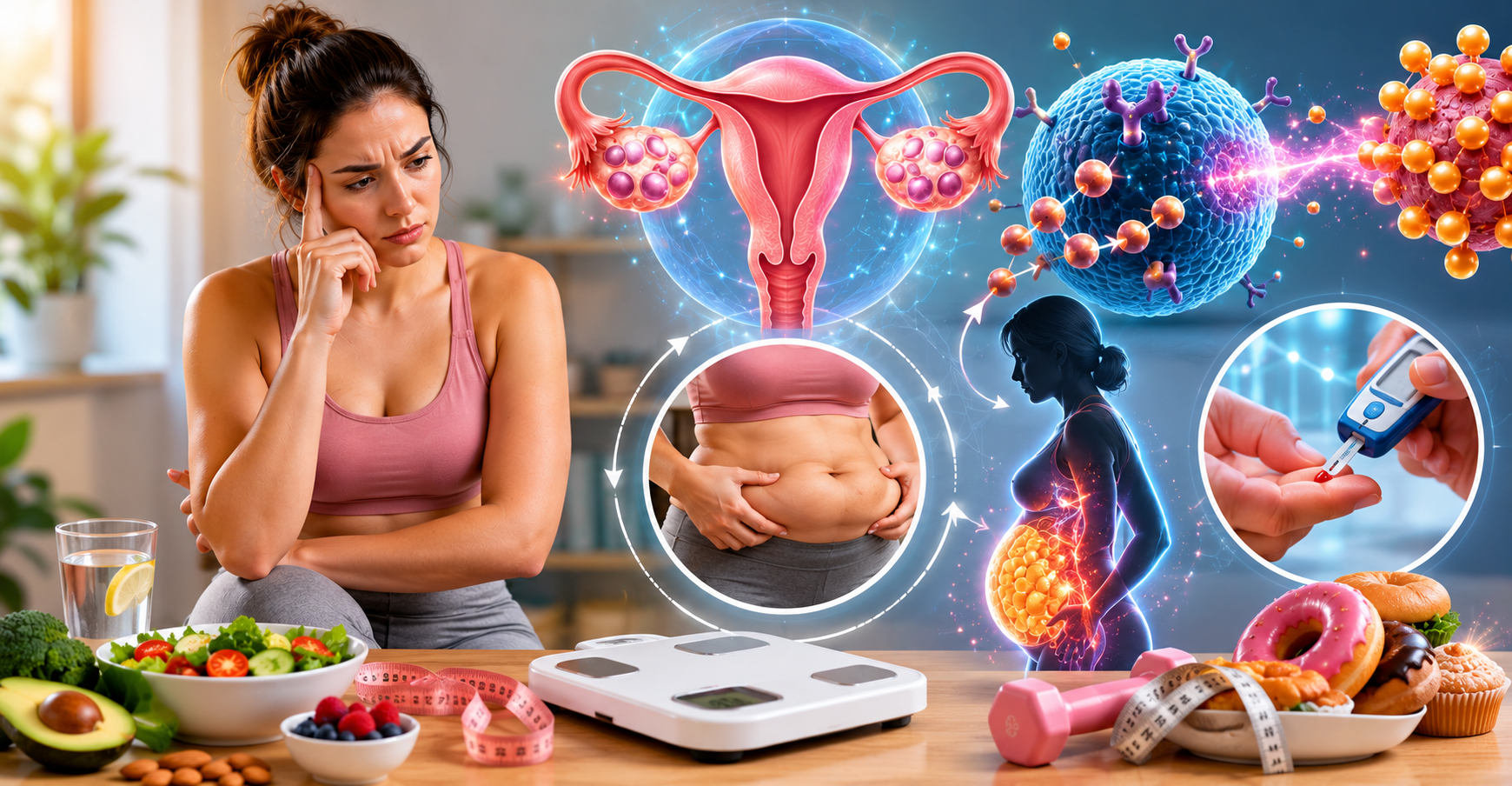
Why Is Weight Loss Difficult with PCOS?
Many women wonder why traditional diets often fail.
The primary reason is insulin resistance.
When cells become less responsive to insulin, the body produces more insulin to compensate. Elevated insulin levels can:
-
Increase fat storage
-
Trigger cravings
-
Promote abdominal weight gain
-
Increase androgen production
-
Disrupt ovulation
This creates a cycle of weight gain and hormonal imbalance.
Even modest weight loss of 5–10% of body weight has been shown to improve menstrual regularity, fertility outcomes, and metabolic health in women with PCOS.
How Diet Helps Manage PCOS
A well-designed PCOS diet can help:
-
Improve insulin sensitivity
-
Support hormone balance
-
Reduce inflammation
-
Promote healthy weight loss
-
Improve menstrual regularity
-
Lower the risk of type 2 diabetes
-
Improve fertility outcomes
-
Reduce cardiovascular risk factors
The goal is not simply eating less but eating smarter.
Also read: "6 Best Calcium Tablets For Women In Pakistan & How To Take Them"
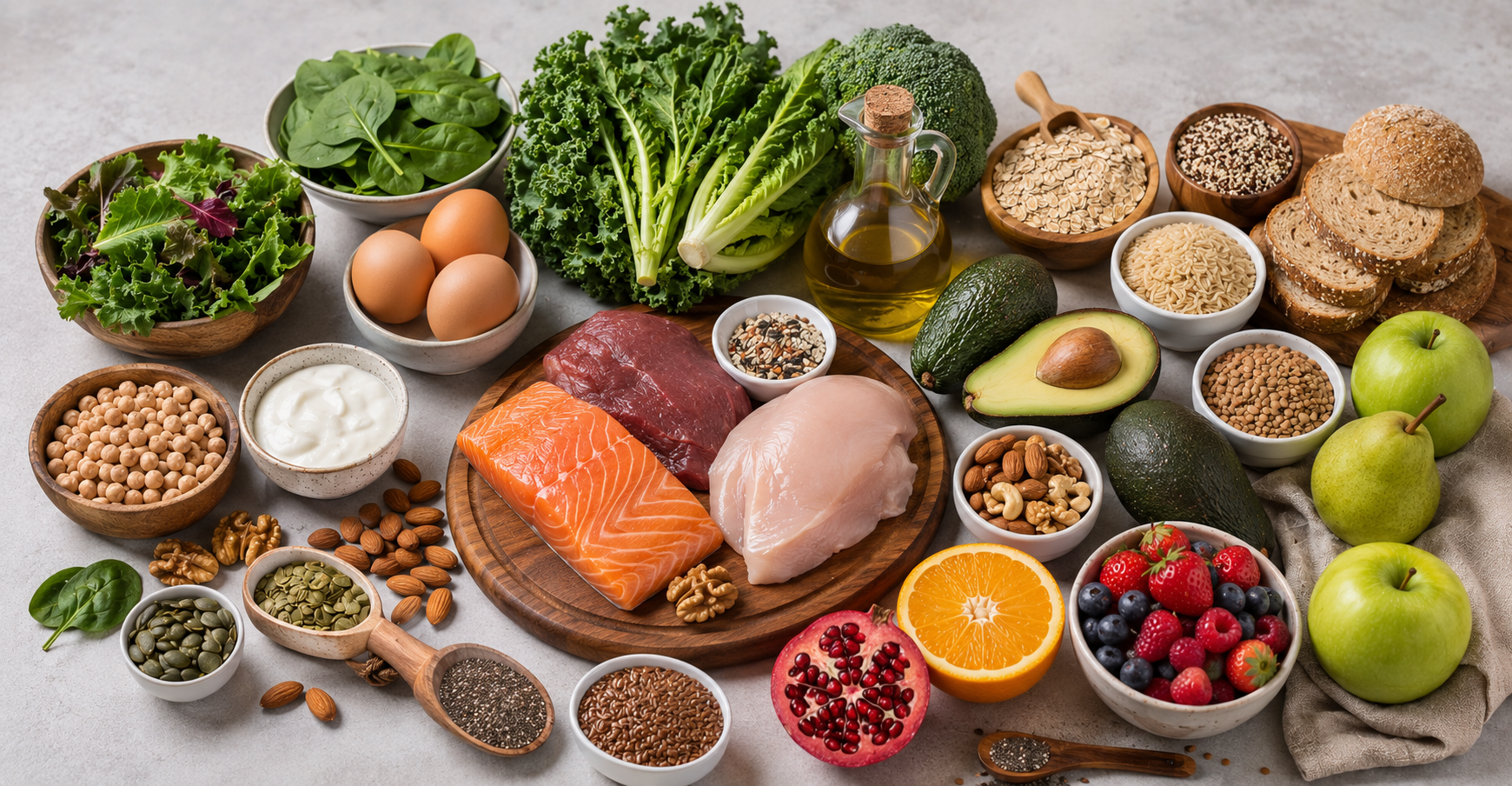
Best Foods to Eat with PCOS
1. Lean Protein Sources
Protein helps control hunger and stabilize blood sugar levels.
Good options include:
-
Eggs
-
Chicken breast
-
Fish
-
Turkey
-
Lentils and beans
-
Chickpeas
-
Tofu
-
Greek yogurt
2. High-Fiber Foods
Fiber slows digestion and improves blood sugar control.
Examples:
-
Oats
-
Lentils
-
Beans
-
Whole grains
-
Vegetables
-
Fruits with skin
-
Chia seeds
-
Flaxseeds
3. Leafy Green Vegetables
Leafy greens provide vitamins, minerals, and antioxidants with minimal calories.
Examples:
-
Spinach
-
Methi leaves
-
Mustard greens
-
Kale
-
Lettuce
4. Healthy Fats
Healthy fats support hormone production and reduce inflammation.
Choose:
-
Olive oil
-
Avocados
-
Nuts and seeds
-
Almonds
-
Walnuts
-
Flaxseeds
-
Pumpkin seeds
More: "12 Powerful Benefits Of Pomegranate For Pregnant Women & Baby"
5. Fish Rich in Omega-3 Fatty Acids
Omega-3 fats may reduce inflammation and improve metabolic markers.
Examples:
-
Salmon
-
Sardines
-
Mackerel
-
Trout
6. Low-Glycemic Fruits
These fruits have less impact on blood sugar.
Best choices:
-
Berries
-
Apples
-
Pears
-
Guava
-
Oranges
-
Pomegranate
7. Whole Grains
Replace refined carbohydrates with:
-
Whole wheat roti
-
Brown rice
-
Quinoa
-
Barley
-
Oats
Foods to Avoid with PCOS
Foods That May Worsen Insulin Resistance
|
Food to Avoid |
Why It May Be Problematic |
|
Sugary drinks |
Cause rapid blood sugar spikes |
|
White bread |
High glycemic index |
|
Refined flour (maida) |
Increases insulin response |
|
Sweets and desserts |
Excess sugar intake |
|
Sweetened cereals |
Highly processed and sugary |
|
Processed snacks |
Low nutritional value |
|
Fast food |
High in unhealthy fats and calories |
|
Highly processed foods |
Promote inflammation |
|
Trans fats |
Increase cardiovascular risk |
Can PCOS Patients Eat Rice?
Yes.
Women with PCOS can eat rice in moderation.
Better options include:
-
Brown rice
-
Basmati rice in controlled portions
-
Rice paired with protein and vegetables
Avoid large portions of white rice without protein or fiber because it can cause rapid blood sugar increases.
More read: "Gynaecosid Tablet Uses In Urdu, Benefits, Effects, Dosage & Price"
Which Fruits Are Best for PCOS?
The best fruits for PCOS include:
-
Berries
-
Apples
-
Guava
-
Pears
-
Oranges
-
Pomegranate
-
Kiwi
These fruits provide fiber, antioxidants, and nutrients that support blood sugar control.
What Is the Best Breakfast for PCOS Weight Loss?
A balanced breakfast should contain protein, fiber, and healthy fats.
Examples:
Option 1
-
2 boiled eggs
-
Whole wheat roti
-
Cucumber and tomato salad
Option 2
-
Greek yogurt
-
Chia seeds
-
Mixed berries
Option 3
-
Oatmeal
-
Almonds
-
Cinnamon
Option 4
-
Besan chilla
-
Mint chutney
-
Yogurt
7-Day PCOS Diet Plan for Weight Loss
Day 1
-
Breakfast: Eggs and whole wheat roti
-
Lunch: Grilled chicken with salad
-
Dinner: Lentil soup and vegetables
Day 2
-
Breakfast: Greek yogurt with berries
-
Lunch: Brown rice with chickpea curry
-
Dinner: Fish with steamed vegetables
Day 3
-
Breakfast: Oatmeal with nuts
-
Lunch: Chicken salad
-
Dinner: Mixed vegetable curry and roti
Day 4
Breakfast: Besan chilla
Lunch: Lentil soup and salad
Dinner: Grilled fish and vegetables
Day 5
-
Breakfast: Yogurt with flaxseeds
-
Lunch: Brown rice and beans
-
Dinner: Chicken stir-fry
Day 6
-
Breakfast: Vegetable omelet
-
Lunch: Chickpea salad
-
Dinner: Lentil curry and roti
Day 7
-
Breakfast: Oats and nuts
-
Lunch: Grilled chicken and vegetables
-
Dinner: Fish and mixed greens
Must read: "Birth Control Pills In Pakistan: Types, Prices & How They Work"
Pakistani Diet Plan for PCOS
Women in Pakistan can successfully manage PCOS without following foreign diet trends.
Healthy local choices include:
Breakfast
-
Eggs
-
Besan chilla
-
Unsweetened lassi
-
Whole wheat roti
Lunch
-
Daal
-
Chicken curry
-
Salad
-
Brown rice
Dinner
-
Grilled fish
-
Mixed vegetables
-
Whole wheat chapati
Snacks
-
Roasted chickpeas
-
Almonds
-
Walnuts
-
Fresh fruit
Best Roti for PCOS
The best roti options include:
-
Whole wheat roti
-
Multigrain roti
-
Barley roti
-
Bajra roti
These contain more fiber than refined flour alternatives.
Foods That Help Reduce PCOS Symptoms
Several foods may support symptom improvement:
-
Flaxseeds
-
Chia seeds
-
Fatty fish
-
Leafy greens
-
Nuts
-
Legumes
-
Whole grains
-
Berries
These foods provide anti-inflammatory compounds and nutrients that support metabolic and hormonal health.
PCOS Weight Loss Tips Naturally
1. Prioritize Protein at Every Meal
Protein improves satiety and reduces cravings.
2. Increase Daily Physical Activity
Aim for:
-
150 minutes of moderate exercise weekly
-
Strength training 2–3 times per week
3. Improve Sleep Quality
Poor sleep may worsen insulin resistance.
Aim for 7–9 hours nightly.
4. Manage Stress
Chronic stress can affect hormone regulation.
Helpful methods include:
-
Walking
-
Yoga
-
Meditation
-
Deep breathing
5. Avoid Extreme Dieting
Very low-calorie diets may be difficult to sustain and can negatively affect metabolic health.
Need Personalized Healthare Advice?
If your symptoms persist despite lifestyle changes, an endocrinologist, gynecologist, or nutrition specialist can help identify underlying issues and create a personalized treatment strategy. To speak with qualified healthcare professionals, contact Apka Muaalij at 042-32377001.
Is Intermittent Fasting Good for PCOS?
Research suggests intermittent fasting may improve insulin sensitivity and weight management in some individuals.
However:
-
Results vary
-
It may not suit everyone
-
Women with diabetes, eating disorders, pregnancy, or certain medical conditions should seek medical advice before starting
Current evidence remains promising but is still evolving.
When Diet Alone May Not Be Enough
Some women may require additional treatment, including:
-
Structured exercise programs
-
Weight management support
-
Fertility treatment
-
Insulin-sensitizing medications
-
Hormonal therapies
A healthcare professional can recommend the most appropriate approach based on symptoms and health goals.
Need Healthcare Assistance?
Our expert healthcare professionals, including the best gynecologist near you in Pakistan, are here to support you. If you have specific health concerns or queries, Apka Muaalij encourages you to consult your qualified specialists. Book an online video consultation or call 042-32377001.
Frequently Asked Questions (FAQs)
1. Can PCOS be managed with diet alone?
Many women experience significant symptom improvement through dietary and lifestyle changes. However, some may also require medication or specialized treatment depending on symptom severity, fertility goals, and metabolic health.
2. What foods should be avoided in PCOS?
Sugary drinks, sweets, refined flour products, white bread, processed snacks, fast food, and trans fats are generally recommended to be limited because they can worsen insulin resistance and inflammation.
3. How much weight can I lose with a PCOS diet?
Weight loss varies among individuals. Sustainable lifestyle changes may lead to gradual weight loss over time. Even losing 5–10% of body weight can provide meaningful health benefits.
4. Which fruits are best for PCOS?
Berries, apples, guava, pears, oranges, kiwi, and pomegranate are excellent options because they provide fiber and nutrients without causing rapid blood sugar spikes.
5. Can I eat rice if I have PCOS?
Yes. Brown rice and controlled portions of basmati rice can fit into a balanced PCOS diet, especially when paired with protein and vegetables.
6. What is the best breakfast for PCOS?
A breakfast containing protein, fiber, and healthy fats is ideal. Examples include eggs, Greek yogurt, oatmeal with nuts, and besan chilla.
7. Does PCOS always cause weight gain?
No. While many women experience weight gain, some women with PCOS maintain a normal weight. Hormonal and metabolic changes vary between individuals.
8. Is dairy bad for PCOS?
Most women can consume dairy in moderation. Unsweetened yogurt and Greek yogurt may even provide nutritional benefits. Individual tolerance varies.
9. What foods reduce insulin resistance in PCOS?
High-fiber foods, legumes, whole grains, leafy greens, lean protein, nuts, seeds, and healthy fats can help support better insulin sensitivity.
10. Can exercise improve PCOS symptoms?
Yes. Regular physical activity can improve insulin sensitivity, support weight loss, reduce cardiovascular risk, and improve overall metabolic health.
Disclaimer: This article is intended for educational purposes only and should not be considered a substitute for professional medical advice, diagnosis, or treatment. Always consult a qualified healthcare professional regarding any medical condition, symptoms, dietary changes, medications, or treatment decisions.

Find & Book the best "Gynecologist" near you
Book Appointment