

Smog: Meaning In Urdu, Types, Causes & Treatments In Pakistan
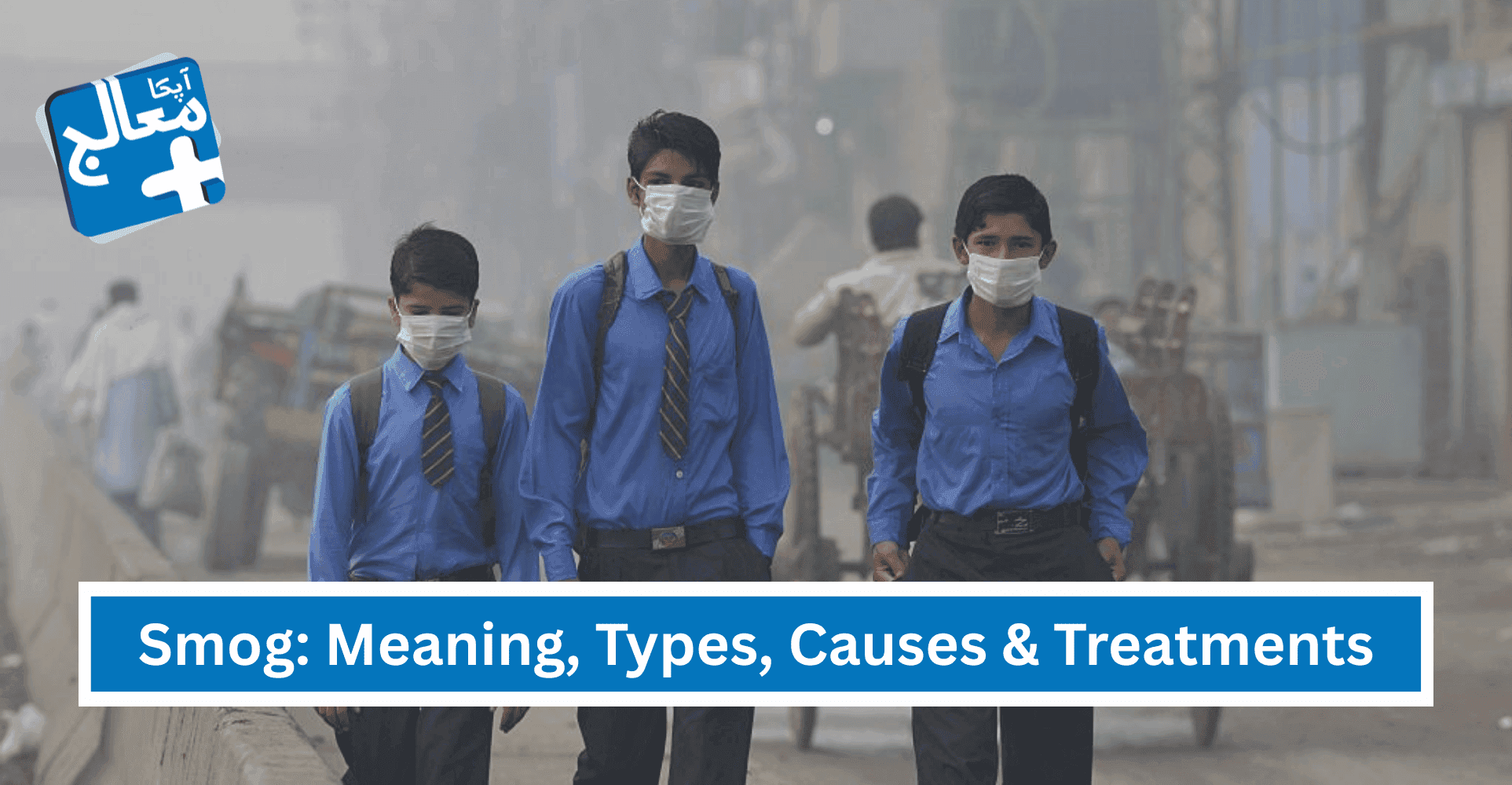
Every winter in Pakistan, especially in major cities like Lahore, Faisalabad, Gujranwala, Islamabad, and Karachi, a thick grey layer takes over the skyline. Many people simply call it dhuan, but medically and environmentally, this dangerous layer has a specific name: Smog.
Before we understand how to protect ourselves and our families from it, let’s start with the basics in this blog.
You may also like to read: "7 Common Monsoon Diseases In Pakistan – Causes, Symptoms & Prevention Tips"
What Exactly is Smog?
Smog is not just dirty air. It is a mixture of toxic gases, chemical fumes, industrial emissions, vehicle smoke, suspended particles, and climate-related moisture.
When these pollutants get trapped close to the ground, due to cold air and low wind, smog forms a dense, harmful layer that we breathe all day.
Smog Meaning in Urdu
اردو میں سموگ کو عام طور پر “دھوئیں اور دھند کا ملاپ” کہا جاتا ہے۔ یہ لفظ دو الفاظ دھواں اور دھند کے امتزاج سے بنا ہے۔ سموگ اس وقت بنتی ہے جب گاڑیوں کا دھواں، صنعتی فضلہ، فیکٹریوں کی چمنیوں سے نکلنے والا کالا دھواں، اور دیگر آلودہ ذرّات فضا میں موجود نمی اور دھند کے ساتھ مل جاتے ہیں۔ نتیجے میں فضا میں ایک بھاری، مضر دھند جیسی تہہ بن جاتی ہے جو نظر کو دھندلا دیتی ہے اور سانس لینے میں مشکلات پیدا کرتی ہے۔
پہلے سموگ کو صرف صنعتی علاقوں کا مسئلہ سمجھا جاتا تھا، مگر اب یہ بڑے شہروں اور پورے خطے کی صحت کے لیے ایک سنگین خطرہ بن چکا ہے۔
Also read: "What Is Wild Poliovirus Type 1 (WPV1) & Its Health Risks?"
Types of Smog
Although both forms are harmful, understanding their difference helps us recognize their triggers.
1. Classic Smog (Sulfurous Smog)
Mostly seen in older industrial cities.
It forms due to:
-
Burning coal
-
Factories emitting sulfur dioxide
-
Moist and cold conditions
This type irritates the throat, eyes, and lungs severely.
2. Photochemical Smog
This is the kind seen in modern cities like Lahore and Karachi.
It forms due to:
-
Car and bike emissions
-
Sunlight reacts with nitrogen oxides
-
Heat combined with pollutants
This smog contains ozone, which is extremely harmful to breathing.
Also learn: "Chicken Pox: Meaning in Urdu, Causes, Symptoms, and Best Treatment Options"
Main Causes of Smog in Pakistan
Although smog exists worldwide, Pakistan’s pattern is unique. Local studies and environmental reports repeatedly highlight the following causes:
1. Crop Burning
Every October–November, the active burning of leftover crop stalks increases air pollution, especially in Punjab.
2. Vehicle Emissions
Older vehicles, rickshaws, and unregulated buses release:
-
Carbon monoxide
-
Nitrogen oxides
-
Unburnt hydrocarbons
These mix with sunlight to create photochemical smog.
3. Industrial Pollution
Factories operating without filters release harmful gases directly into the air.
4. Brick Kilns
Traditional brick kilns burning low-quality fuel contribute extensively to toxic air.
5. Construction Dust
Ongoing construction in urban centers releases fine dust (PM2.5) that stays in the air for days.
6. Climate Conditions
Cold temperatures, fog, and low wind speed trap pollutants near the ground, worsening smog.
You may also read: "11 Proven Remedies For Melasma Treatments At Home"
Health Effects of Smog
Smog affects people differently depending on their age, immunity, and respiratory health.
Short-Term Health Problems
-
Irritated eyes
-
Wheezing
-
Chest tightness
High-Risk Groups
The following groups suffer more severely:
-
Children (their lungs are still developing)
-
Elderly people
-
Asthma patients
-
Heart patients
-
Pregnant women
-
People with low immunity
Long-Term Risks
Continuous exposure may lead to:
-
Worsening of asthma
-
Chronic bronchitis
-
Reduced lung capacity
-
Heart stress
-
Increased risk of respiratory infections
How to Protect Yourself from Smog
Here are practical, Pakistan-specific ways to reduce exposure:
1. Wear a Proper Mask
Use an N95, N99, or a certified pollution mask when leaving home.
2. Keep Windows Closed During High Smog Hours
Early mornings and late evenings usually have the highest pollutant concentration.
3. Use Air Purifiers (if available)
Especially in bedrooms and living rooms.
4. Increase Indoor Plants
Snake plant, aloe vera, and peace lily help reduce indoor air toxins.
5. Stay Hydrated
Water helps the body filter pollutants naturally.
6. Avoid Outdoor Exercise
Running or jogging outside forces polluted air deep into the lungs.
7. Keep Your Car Serviced
A maintained engine emits less smoke.
You may learn: "10 Best Home Remedies For Itching (Kharish Ka Ilaj) – Natural Relief At Home"
Smog Treatments & When to Seek Medical Help
While smog itself isn’t a disease, it triggers respiratory and eye conditions that require treatment. For minor symptoms:
-
Warm fluids
-
Steam inhalation
-
Saline nasal drops
-
Anti-allergy medicines (as prescribed)
-
Eye lubricating drops
When to See a Medical Specialist?
Seek medical help if you notice:
-
Breathing difficulty
-
Wheezing
-
Persistent coughing
-
Fever with throat pain
People with asthma should keep their inhalers accessible at all times during smog season.
Also, go through: "A National Emergency: How to Prevent Heat Stroke in Pakistan"
Smog Situation in Pakistan: Why It’s Getting Worse
Pakistan’s Air Quality Index (AQI) crosses 300–450 in winter, classified as hazardous.
Reasons include:
-
Unchecked urbanization
-
Lack of emission standards
-
Low-quality fuel
-
Limited public transport options
-
Climate shifts
Until systematic reforms are implemented, citizens must take individual precautions.
Also learn: "Battling Mosquito Bites: Understanding the Challenge"
Conclusion
Smog is more than just an environmental nuisance; it’s a public health emergency that affects millions in Pakistan every year. Understanding its meaning, reasons, and preventive steps can help protect you and your family from long-term damage.
If you or your loved ones are experiencing breathing issues, allergies, a persistent cough, or chest tightness, getting timely medical advice is crucial. With platforms like Apka Muaalij, Pakistan’s top digital healthcare platform, you can instantly consult qualified doctors, such as ENT Specialists, General Physicians, or Pulmonologists from home, especially helpful during smog season when outdoor exposure should be minimized.
Timely guidance can prevent small symptoms from turning into major complications.
FAQs About Smog (Most Searched in Pakistan)
What is smog?
Smog is a harmful mixture of smoke, chemical pollutants, and fog that reduces visibility and affects breathing.
What causes smog in Pakistan?
The major causes include vehicle emissions, crop burning, industrial smoke, brick kilns, construction dust, and winter weather conditions that trap pollutants near the ground.
Why is smog worse in Lahore and Punjab?
Punjab experiences high smog levels due to crop residue burning, dense traffic, industrial activity, and stagnant winter air that prevents pollutants from dispersing.
What are the common health effects of smog?
Smog can cause coughing, eye irritation, sore throat, headaches, breathing difficulty, allergies, and worsening asthma symptoms.
How can I protect myself from smog?
Use an N95 or N99 mask, avoid outdoor exercise, stay hydrated, use air purifiers, keep windows closed, and limit outdoor activities during high pollution hours.
Can smog cause long-term damage?
Yes. Prolonged exposure can lead to chronic bronchitis, reduced lung capacity, heart stress, and increased respiratory infections.
Is smog dangerous for children?
Absolutely. Children inhale more air relative to their size, and their developing lungs make them more vulnerable to smog-related illnesses.
Which mask is best for smog?
N95, N99, or certified pollution masks are recommended because they filter fine particulate matter (PM2.5).
Can smog trigger asthma or allergies?
Yes, smog can worsen asthma, trigger breathing issues, and increase allergy symptoms like sneezing and coughing.
When should I see a doctor for smog-related symptoms?
Seek medical help if you experience persistent coughing, difficulty breathing, chest pain, wheezing, high fever, or worsening asthma despite medication.

Ifra Sarwar
Dr. Ifra Sarwar is a highly experienced specialist based in Lahore, Pakistan with over several years of clinical expertise. Specializing in evidence-based and patient-centered care, they provides advanced treatment tailored to individual needs. Currently available on Apka Muaalij, appointments can be booked at 042-32377001.