

Top 21 Anti-Inflammatory Foods To Avoid Autoimmune Diseases
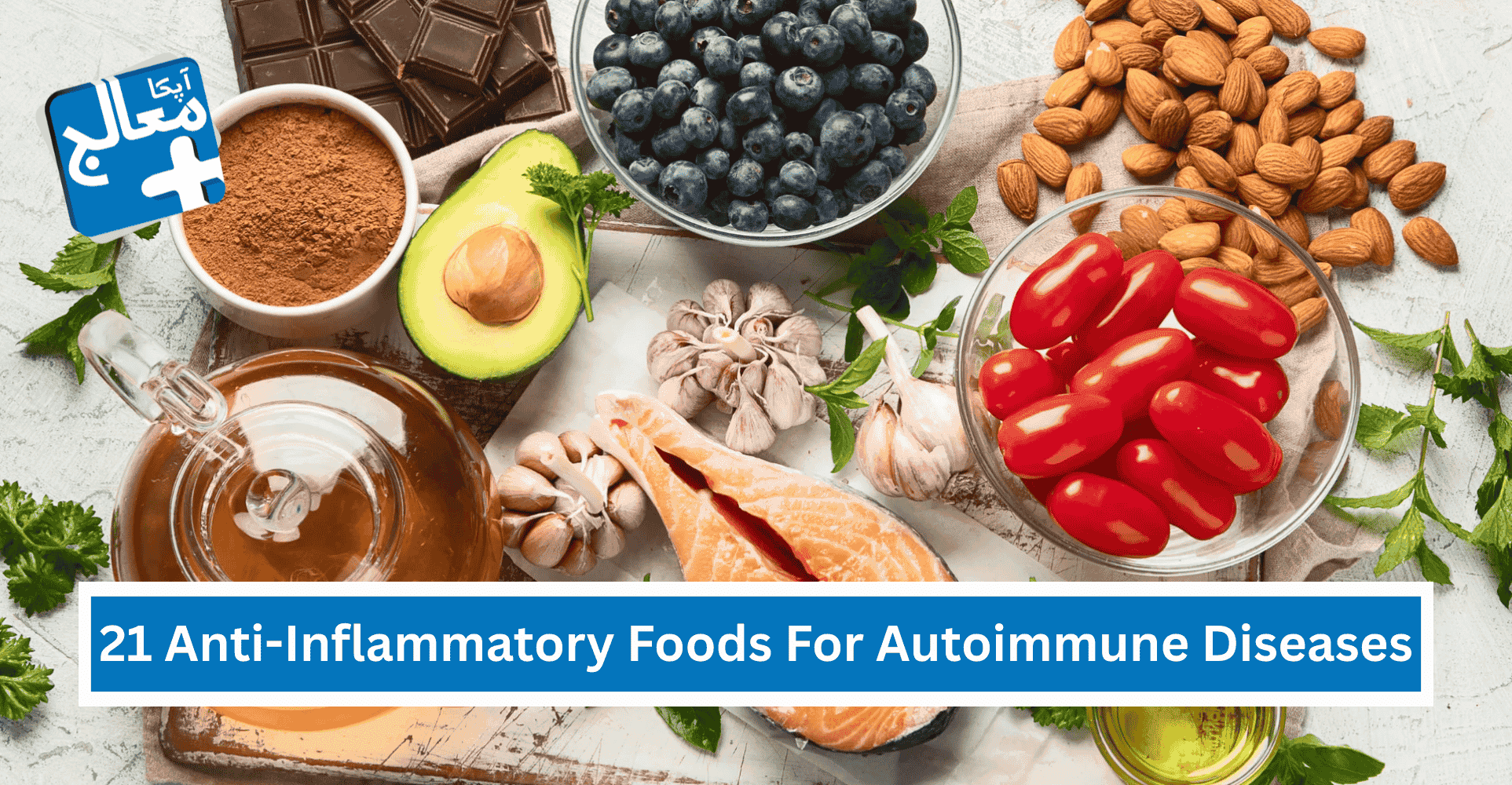
Chronic inflammation is increasingly recognized as a driving force behind autoimmune diseases such as rheumatoid arthritis, lupus, type 1 diabetes, and multiple sclerosis. While genetics and environmental triggers play a role, diet is one of the most powerful modifiable factors influencing inflammation in the body.
An anti-inflammatory diet does not cure autoimmune diseases, but research shows it can help regulate immune responses, reduce flare-ups, and support overall health.
This comprehensive guide explores 21 evidence-backed anti-inflammatory foods and how they may support immune balance.
Also learn: "14 Effective Methi Dana Benefits, Uses, Side Effects & More"
Key Takeaways
-
Chronic inflammation contributes to autoimmune diseases, but dietary choices can help regulate immune responses.
-
Foods rich in antioxidants, omega-3 fatty acids, and fiber support reduced inflammation and improved gut health.
-
Incorporating turmeric, fatty fish, leafy greens, nuts, and probiotic foods can promote immune balance.
-
Limiting processed sugars, refined grains, and trans fats is essential for lowering inflammatory markers.
-
A balanced diet combined with faith-guided moderation and healthy lifestyle habits supports long-term wellness.
Understanding Inflammation and Autoimmune Disease
Inflammation is the body’s natural defense against infection and injury. However, when it becomes chronic, it can damage tissues and trigger autoimmune responses, where the immune system mistakenly attacks healthy cells.
According to the Harvard T.H. Chan School of Public Health, long-term inflammation contributes to conditions such as heart disease, diabetes, and autoimmune disorders.
Dr. Frank Hu of Harvard T.H. Chan School of Public Health explains that dietary patterns rich in whole, plant-based foods are associated with lower inflammatory markers.
How Diet Influences Immune Function
Certain foods reduce inflammatory pathways by:
-
Lowering oxidative stress
-
Supporting gut microbiome balance
-
Regulating immune signaling
-
Providing essential antioxidants and omega-3 fatty acids
A nutrient-dense diet helps the immune system distinguish between harmful invaders and healthy tissues.
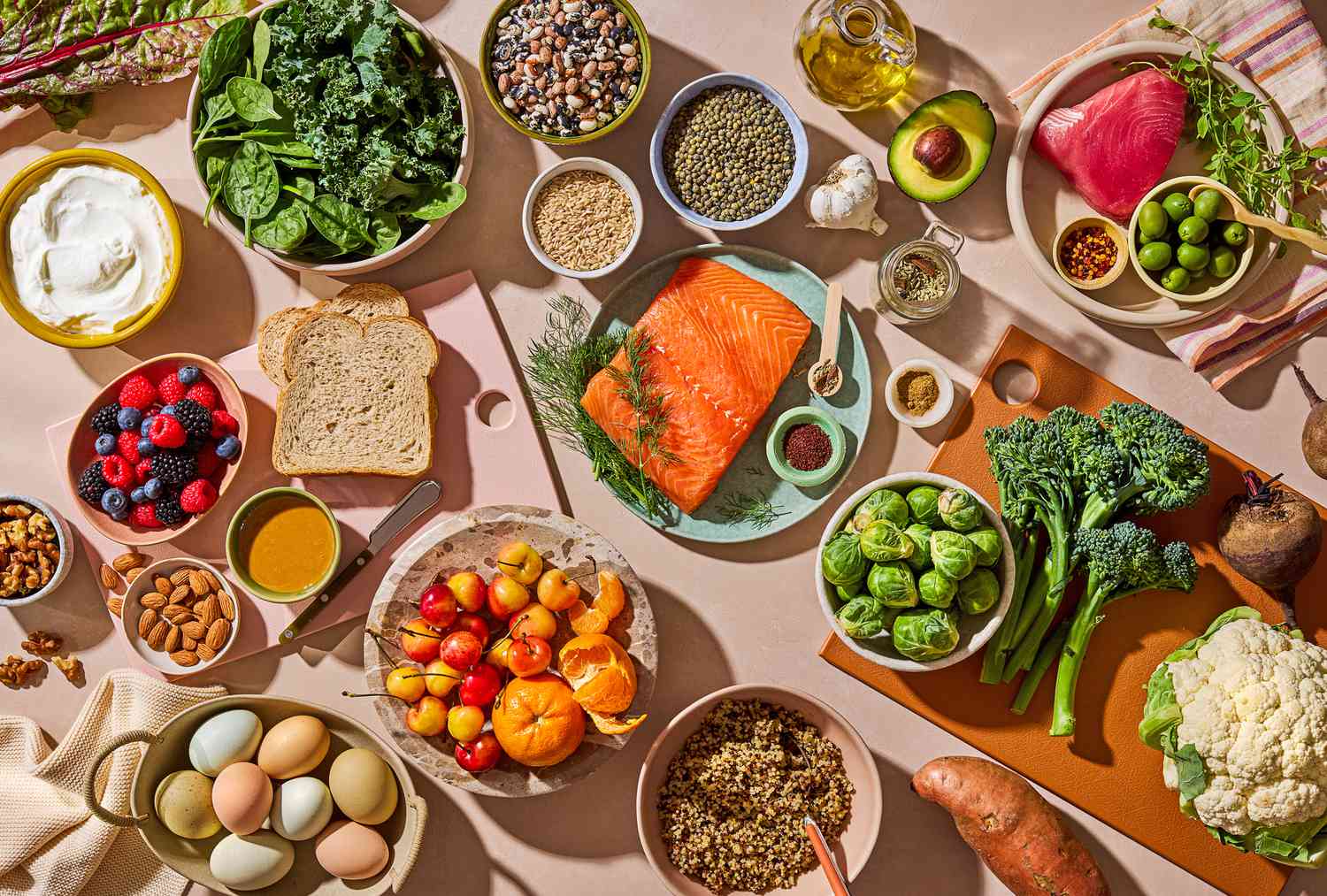
Top 21 Anti-Inflammatory Foods for Autoimmune Conditions
1. Turmeric
Curcumin, turmeric’s active compound, has potent anti-inflammatory properties. Studies in the Journal of Medicinal Food show curcumin can reduce inflammatory markers.
How to use: Add to curries, soups, or warm milk.
2. Ginger
Ginger contains gingerols that help reduce inflammation and oxidative stress.
Best use: Tea, stir-fries, or grated into sauces.
3. Extra Virgin Olive Oil
Rich in oleocanthal, which has effects similar to ibuprofen in reducing inflammation.
Tip: Use for salad dressings or low-heat cooking.
4. Fatty Fish
Examples include salmon, sardines, and mackerel. They are rich in omega-3 fatty acids that reduce inflammatory cytokines.
5. Spinach
Leafy greens provide antioxidants like vitamin C and beta-carotene.
6. Kale
Kale contains polyphenols that combat oxidative stress.
7. Blueberries
Packed with anthocyanins that reduce inflammation and support brain health.
8. Strawberries
High in vitamin C and antioxidants.
9. Walnuts
Provide omega-3 fatty acids and polyphenols.
10. Almonds
Rich in vitamin E, which helps protect cells from oxidative damage.
11. Chia Seeds
Contain omega-3 fatty acids and fiber that support gut health.
12. Flaxseeds
Help regulate inflammation and improve lipid profiles.
13. Garlic
Contains sulfur compounds that enhance immune function.
14. Green Tea
Rich in catechins, especially EGCG, known for its anti-inflammatory effects.
15. Tomatoes
Contain lycopene, which reduces inflammatory markers.
16. Avocados
Provide healthy monounsaturated fats and antioxidants.
17. Sweet Potatoes
High in beta-carotene and fiber.
18. Broccoli
Contains sulforaphane, which helps reduce inflammation.
19. Whole Grains
Examples include brown rice, oats, and quinoa. They provide fiber that supports gut health.
20. Yogurt (with live cultures)
Probiotics support a balanced microbiome and immune regulation.
21. Pomegranates
Rich in polyphenols that reduce oxidative stress.
Summary Table: Anti-Inflammatory Foods and Benefits
|
Food |
Key Nutrient |
Benefit |
|
Turmeric |
Curcumin |
Reduces inflammatory markers |
|
Fatty fish |
Omega-3 |
Lowers cytokines |
|
Olive oil |
Oleocanthal |
Anti-inflammatory effect |
|
Berries |
Anthocyanins |
Antioxidant protection |
|
Leafy greens |
Vitamins A, C |
Immune support |
|
Nuts & seeds |
Healthy fats |
Reduces oxidative stress |
|
Yogurt |
Probiotics |
Gut health |
Read: "16 Benefits Of Extra Virgin Olive Oil, Uses, Side Effects & More "
Faith-Based Guidance on Wholesome Eating
Islam encourages consuming foods that are pure and beneficial.
Allah says in the Qur’an:
“And eat of the good things We have provided for you.”
— Qur’an 2:172
The Prophet Muhammad (peace be upon him) emphasized moderation and balance in diet.
Similarly, the Bible teaches:
“Pleasant words are a honeycomb, sweet to the soul and healing to the bones.”
— Proverbs 16:24
Choosing nourishing foods supports physical and spiritual well-being.
Foods That Promote Inflammation to Limit
To complement anti-inflammatory foods, reduce intake of:
-
Processed sugars
-
Refined carbohydrates
-
Trans fats
-
Processed meats
-
Sugary beverages
These foods are linked to increased inflammatory markers and metabolic stress.
Practical Tips for an Anti-Inflammatory Lifestyle
-
Cook with natural spices like turmeric and ginger
-
Choose whole grains over refined options
-
Include fruits and vegetables at every meal
-
Replace sugary snacks with nuts or yogurt
-
Stay hydrated and maintain physical activity
Diet works best alongside a healthy lifestyle.
Also read: "Calosis-D Tablet: Benefits, Uses, Side Effects & Dosage"
Need Healthcare Assistance?
Our expert healthcare professionals, including the best nutritionists and general physicians near you in Pakistan, are here to support you. If you have specific health concerns or queries, Apka Muaalij encourages you to consult your qualified specialists. Book an online video consultation or call 042-32377001.
Frequently Asked Questions (FAQs)
Can anti-inflammatory foods prevent autoimmune diseases?
They cannot guarantee prevention, but may reduce risk and support immune balance.
How quickly can a diet reduce inflammation?
Changes in inflammatory markers may occur within weeks of consistent dietary improvements.
Is turmeric safe for daily use?
Yes, in culinary amounts. High-dose supplements require medical advice.
Are dairy products inflammatory?
Fermented dairy, like yogurt, may reduce inflammation, while processed dairy may have the opposite effect.
Can fasting reduce inflammation?
Some studies suggest intermittent fasting may lower inflammatory markers.
Are nightshade vegetables inflammatory?
Most people tolerate them well. Only a small subset with sensitivities may react.
Is honey anti-inflammatory?
Raw honey contains antioxidants, but should be consumed in moderation.
Do anti-inflammatory diets help arthritis?
Many individuals report reduced joint pain and stiffness.
Are eggs inflammatory?
Eggs are neutral for most people and provide valuable nutrients.
Can children follow an anti-inflammatory diet?
Yes, focusing on whole, balanced foods supports healthy development.
Does green tea help autoimmune conditions?
Its antioxidants may support immune regulation.
Is coffee inflammatory?
Moderate coffee intake may have anti-inflammatory effects for some individuals.
Can stress increase inflammation?
Yes, chronic stress elevates inflammatory hormones.
Are supplements necessary?
Whole foods are preferred. Supplements may help in specific deficiencies.
How important is gut health for immunity?
A healthy microbiome plays a crucial role in immune regulation.
Disclaimer: This article is for informational purposes only and does not constitute medical advice. Autoimmune diseases require professional diagnosis and management. Consult a qualified healthcare provider before making dietary changes, especially if you have a chronic condition, are pregnant, or take medication.

Find & Book the best "Nutritionist" near you
Book Appointment
Dr. Bisma Shehzadi
Dr. Dr. Bisma Shehzadi is a highly experienced specialist based in Lahore, Pakistan with over several years of clinical expertise. Specializing in evidence-based and patient-centered care, they provides advanced treatment tailored to individual needs. Currently available on Apka Muaalij, appointments can be booked at 042-32377001.