

Top 5 Kamarkas Benefits, Nutrition, Uses, Recipes & More

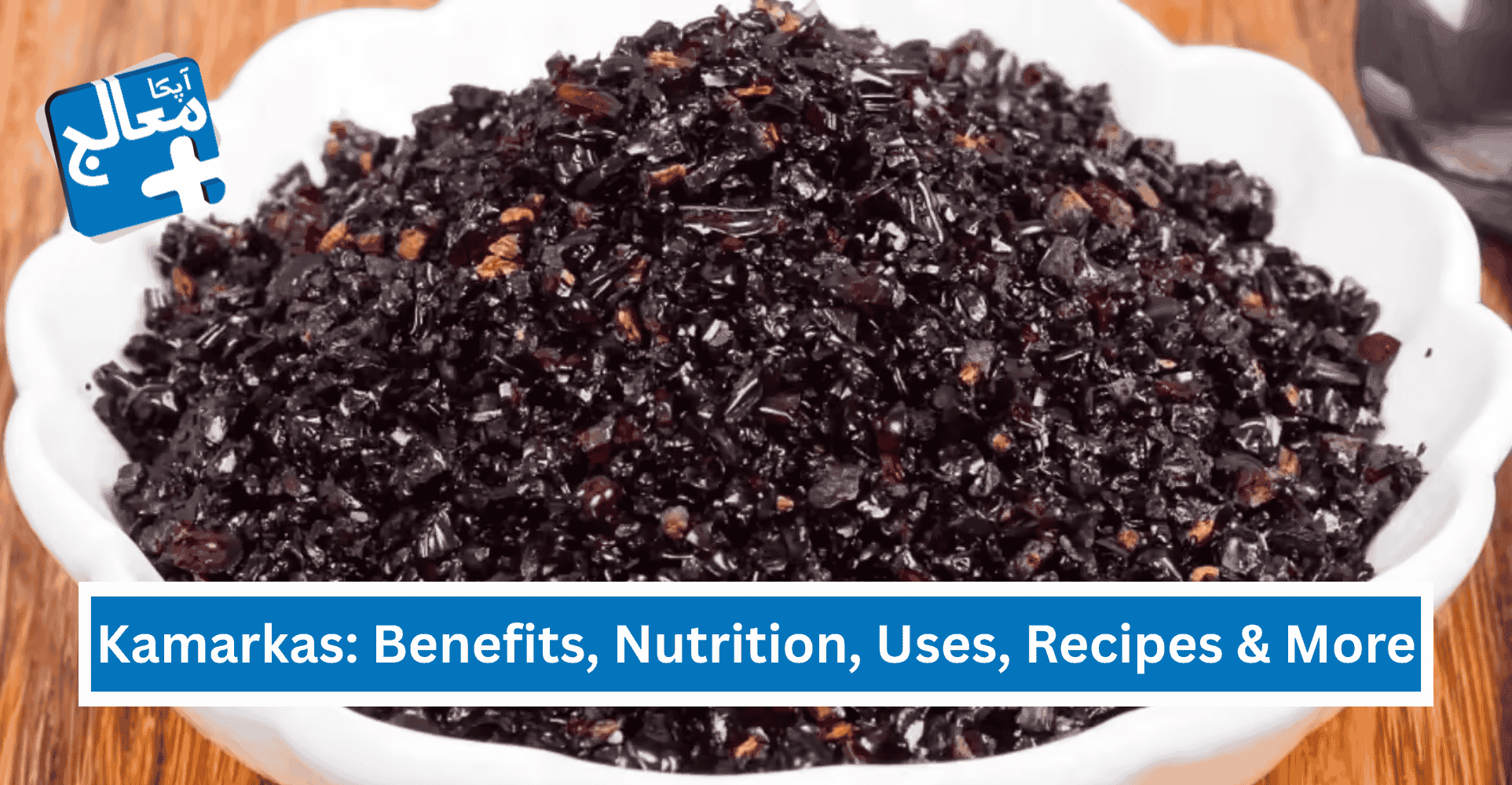
Kamarkas has quietly remained one of South Asia’s most treasured postpartum and wellness ingredients, yet many people outside traditional households are only now discovering its value. Known for its deep reddish hue and gelatinous texture when soaked, Kamarkas is widely used in winter tonics, laddoos, and herbal remedies across Pakistan, India, and neighboring regions.
This article explores Kamarkas in depth, including its nutritional profile, potential health benefits, traditional and modern uses, preparation methods, recipes, and safety considerations. Whether you’re researching postpartum recovery foods, natural remedies, or nutrient-dense ingredients, this article provides everything you need to know.
Key Takeaways
-
Kamarkas is a nutrient-rich edible resin from the Butea monosperma tree used in South Asian wellness traditions.
-
It may support postpartum recovery, digestion, joint health, and energy levels.
-
Always soak before use to achieve its gel texture and avoid discomfort.
-
Commonly used in laddoos, milk tonics, and winter foods.
-
Safe in moderation, but should be used cautiously during pregnancy or with digestive conditions.
What Is Kamarkas?
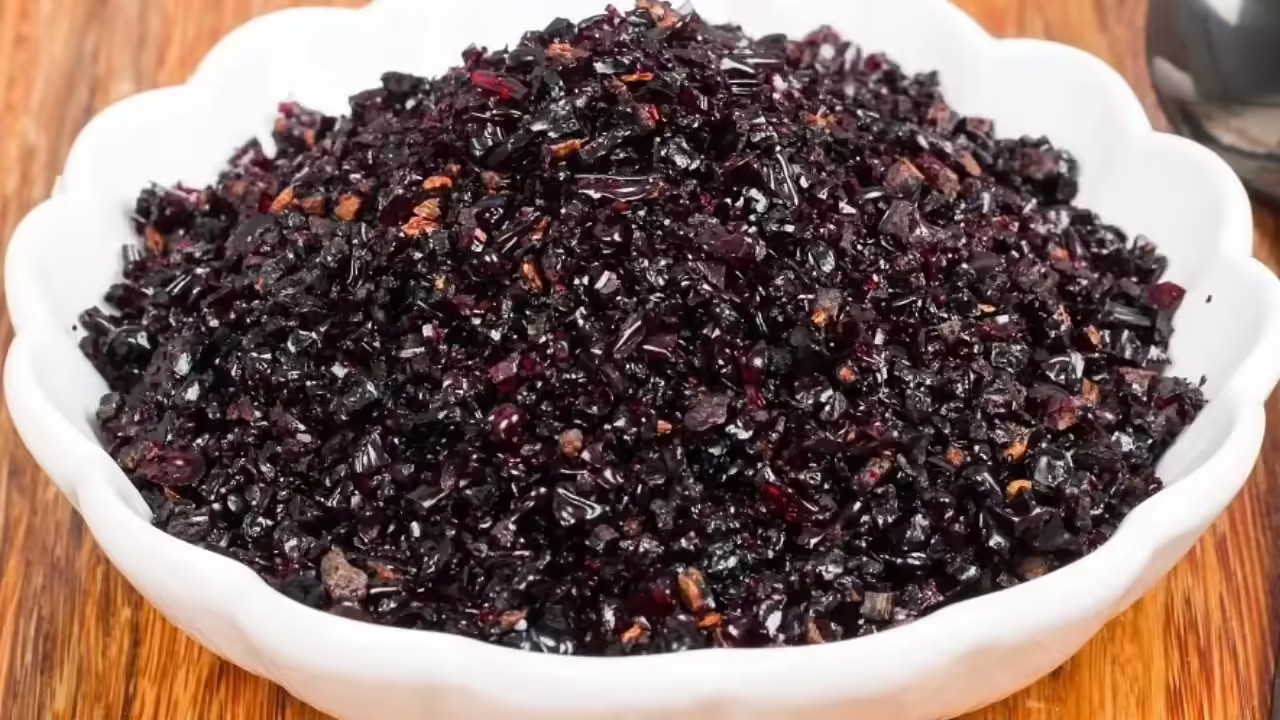
Kamarkas is a natural edible resin from the Butea monosperma tree, traditionally used in South Asian diets and remedies. It is valued for its potential to support postpartum recovery, joint health, digestion, and overall strength due to its fiber, minerals, and plant compounds.
Common names
-
Kamarkas (Urdu/Hindi)
-
Gond Butea
-
Palash Gond
-
Bengal Kino Gum
Nutritional Profile of Kamarkas
While Kamarkas is consumed in small quantities, it contributes beneficial nutrients and plant compounds.
Key Nutrients and Components
-
Dietary fiber – Supports digestion and gut health
-
Calcium – Important for bones and teeth
-
Iron – Supports hemoglobin and energy levels
-
Magnesium – Supports muscle and nerve function
-
Plant polyphenols – Provide antioxidant properties
Functional Properties
Kamarkas acts as:
-
A natural thickening agent
-
A gentle bulk-forming fiber
-
A soothing demulcent for the digestive tract
5 Potential Health Benefits of Kamarkas for You
Traditional use and emerging nutritional understanding suggest several benefits. While more clinical research is needed, its composition supports many of these claims.
1. Postpartum Recovery Support
Kamarkas is widely used in postpartum diets to help new mothers regain strength.
Why it may help:
-
Provides minerals like calcium and iron
-
Supports tissue repair
-
Aids digestion during recovery
In many South Asian households, Kamarkas laddoos are considered essential for postpartum care.
2. Bone and Joint Health
Kamarkas contains calcium and magnesium, both essential for bone density and muscle function.
Potential benefits:
-
Supports bone mineralization
-
Helps reduce joint stiffness
-
May support recovery from physical strain
Its gelatinous texture may also soothe inflamed tissues.
3. Digestive Health
Kamarkas acts as a mild bulk-forming fiber and soothing agent.
Digestive benefits include:
-
Relieves mild constipation
-
Supports the gut lining
-
Helps regulate bowel movements
-
May reduce acidity irritation
Because it forms a gel when soaked, it can coat and soothe the digestive tract.
4. Energy and Strength Support
Kamarkas are often used in winter foods for sustained energy.
How it helps:
-
Provides slow-digesting carbohydrates
-
Supports iron levels for energy metabolism
-
Traditionally used to combat fatigue
It is commonly included in winter laddoos along with nuts and seeds.
5. Anti-Inflammatory and Antioxidant Potential
The resin contains plant polyphenols that may help combat oxidative stress.
Possible effects:
-
Supports immune function
-
May reduce inflammation
-
Protects cells from oxidative damage
These properties make it a valuable addition to seasonal immunity foods.
Traditional and Modern Uses of Kamarkas
Kamarkas bridges culinary and medicinal traditions.
Traditional Uses
-
Postpartum tonics
-
Winter strengthening foods
-
Digestive remedies
-
Joint health support
Modern Uses
-
Functional food ingredient
-
Natural thickener for desserts
-
Herbal wellness drinks
-
Nutrient boost in smoothies
How to Use Kamarkas
Soaking Method
Kamarkas must be soaked before use.
Steps:
-
Rinse lightly to remove impurities.
-
Soak 1–2 teaspoons in water for 2–3 hours.
-
Watch it expand into a jelly-like texture.
-
Add to recipes or consume directly.
Popular Kamarkas Recipes
1. Kamarkas Laddoos (Postpartum & Winter Strength)
Ingredients:
-
Soaked Kamarkas
-
Whole wheat flour
-
Ghee
-
Jaggery
-
Almonds and walnuts
-
Cardamom
Preparation:
-
Roast flour in ghee until aromatic.
-
Add jaggery and mix.
-
Stir in the soaked Kamarkas and nuts.
-
Shape into laddoos.
Benefits: Energy, recovery support, and bone health.
2. Kamarkas Milk Tonic
Ingredients:
-
Warm milk
-
Soaked Kamarkas
-
Honey or jaggery
-
Cardamom
Steps:
-
Add soaked Kamarkas to warm milk.
-
Sweeten lightly.
-
Drink before bedtime.
Best for: Strength, digestion, winter immunity.
3. Kamarkas Dessert Jelly
A modern twist suitable for children and adults.
Method:
-
Mix the soaked Kamarkas with fruit puree and honey.
-
Chill until set.
-
Serve as a natural jelly dessert.
Kamarkas vs. Other Edible Gums
|
Feature |
Kamarkas |
Gond Katira |
Gum Arabic |
|
Source |
Butea monosperma |
Astragalus plant |
Acacia tree |
|
Texture |
Jelly-like |
Crystal gel |
Powder |
|
Traditional use |
Postpartum recovery |
Cooling drink |
Food stabilizer |
|
Seasonal use |
Winter |
Summer |
Year-round |
This comparison helps users choose the right edible gum for their needs.
Who Should Consider Using Kamarkas?
Kamarkas may be beneficial for:
-
Postpartum mothers
-
People with joint discomfort
-
Individuals recovering from illness
-
Those seeking natural digestive support
-
People needing winter energy foods
Safety, Side Effects, and Precautions
Kamarkas is generally safe in moderate amounts but should be used thoughtfully.
Possible Side Effects
-
Overconsumption may cause bloating
-
Not suitable for infants
-
May cause digestive discomfort if consumed dry
Who Should Avoid It
-
Pregnant women without medical advice
-
Individuals with severe digestive disorders
-
People with known plant resin allergies
Recommended Intake
-
1–2 teaspoons soaked per day is typical in traditional use.
How to Store Kamarkas
-
Keep in an airtight container
-
Store in a cool, dry place
-
Protect from moisture and sunlight
-
Shelf life: up to 1 year when stored properly
Common Misconceptions About Kamarkas
“Kamarkas is the same as gond katira.”
False. They come from different plants and serve different seasonal purposes.
“It can be eaten raw.”
No. It must be soaked to prevent digestive discomfort.
“It is only for postpartum women.”
While popular postpartum, it benefits many people.
Need Healthcare Assistance?
Our expert healthcare professionals, including the best nutritionists near you in Pakistan, are here to support you. If you have specific health concerns or queries, Apka Muaalij encourages you to consult your qualified specialists. Book an online video consultation or call 042-32377001.
Frequently Asked Questions (FAQs)
What does Kamarkas taste like?
Kamarkas has a neutral to mildly earthy taste. When soaked, it takes on the flavor of the ingredients it is mixed with, making it ideal for sweet dishes like laddoos and milk tonics.
Is Kamarkas safe during pregnancy?
Pregnant women should consult a healthcare professional before using Kamarkas. Traditional use focuses on postpartum recovery, and its effects during pregnancy are not well studied.
Can Kamarkas help with back pain?
Traditionally, Kamarkas is believed to support joint and back health due to its mineral content and anti-inflammatory properties. While it may contribute to overall strength, it should not replace medical treatment.
How long do soaked Kamarkas last?
Soaked Kamarkas should be consumed within 24 hours if refrigerated. Its gel texture can degrade and may develop an odor if stored longer.
Is Kamarkas good for weight gain?
Kamarkas itself is low in calories, but when used in energy-dense recipes like laddoos, it can contribute to healthy weight gain and recovery.
Can children consume Kamarkas?
Older children can consume small amounts in food preparations. It should not be given to infants due to digestive sensitivity.
What is the best time to consume Kamarkas?
It is commonly consumed in the morning or at night in warm milk, especially during winter, to support digestion and strength.
Does Kamarkas help with constipation?
Yes, its gel-forming fiber may help relieve mild constipation by adding bulk and soothing the digestive tract.
Can Kamarkas be used in vegan recipes?
Yes. It works well in plant-based desserts, smoothies, and porridges as a natural thickener and nutrient booster.
Where can I buy authentic Kamarkas?
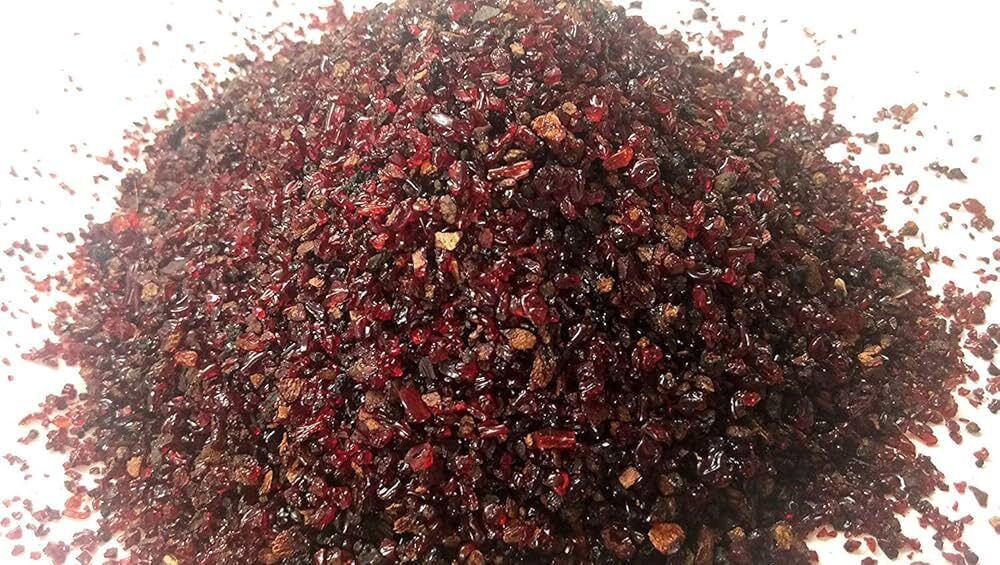
Kamarkas is available in South Asian herbal stores, traditional markets, and online spice retailers. Look for clean, translucent reddish crystals without impurities.
Disclaimer: This article is for informational purposes only and does not constitute medical advice. While Kamarkas has a long history of traditional use, scientific research on its health effects is still limited. Consult a qualified healthcare professional before using Kamarkas for therapeutic purposes, especially during pregnancy, postpartum recovery, or if you have underlying health conditions.

Find & Book the best "Nutritionist" near you
Book Appointment