

What Is IVF Treatment? Process, Cost & Success Rate (2026 Guide)
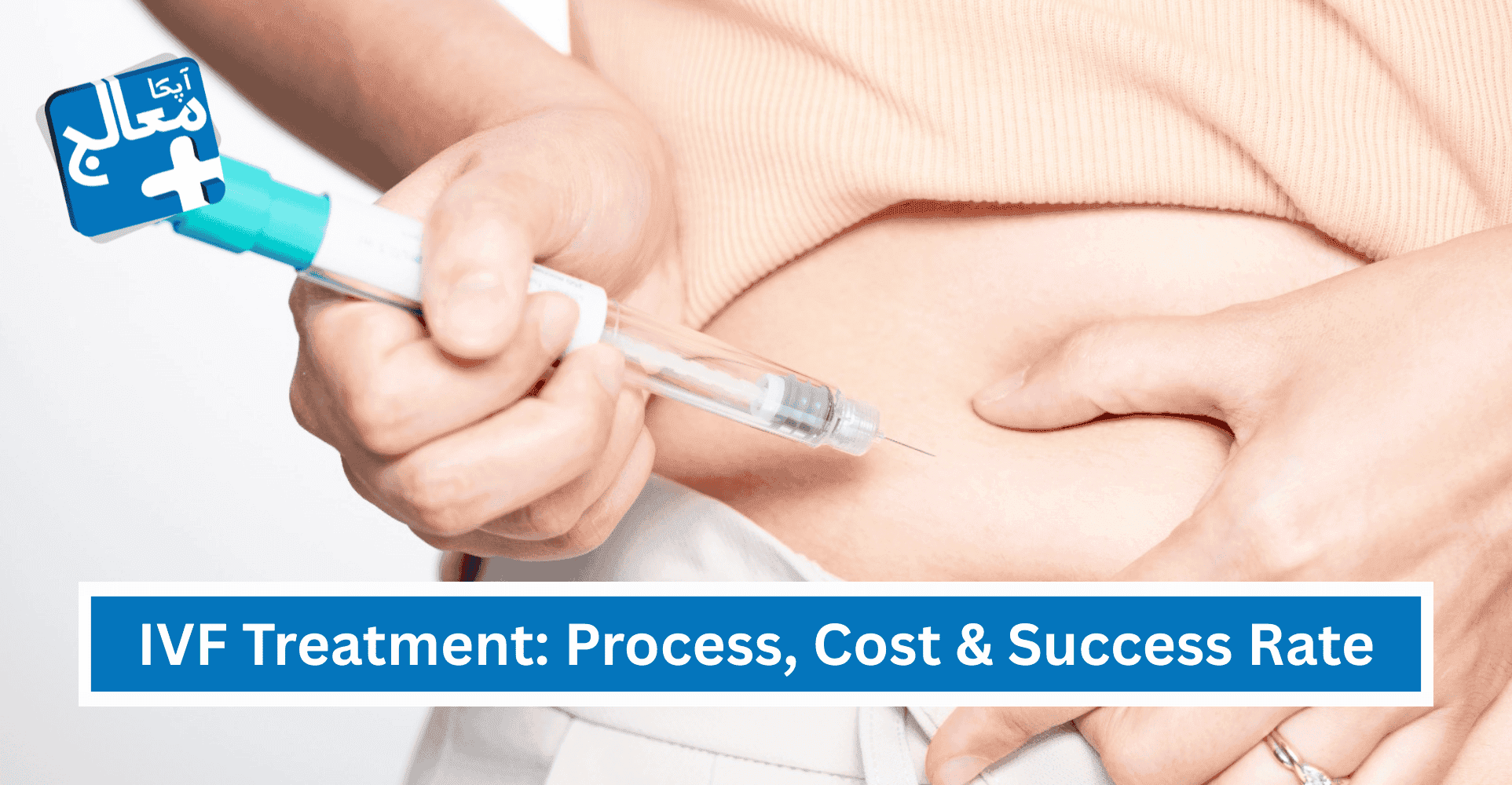
Infertility is no longer a silent struggle. With delayed marriages, lifestyle changes, hormonal disorders, and medical conditions affecting fertility, more couples are actively seeking answers. One of the most widely used and researched solutions today is IVF treatment, also known as In Vitro Fertilization.
This guide explains what IVF treatment is, how the process works step by step, its cost, success rates, and who should consider it, using medically accurate and patient-focused information.
Also read: "12 Powerful Benefits Of Pomegranate For Pregnant Women & Baby"
What Is IVF Treatment?
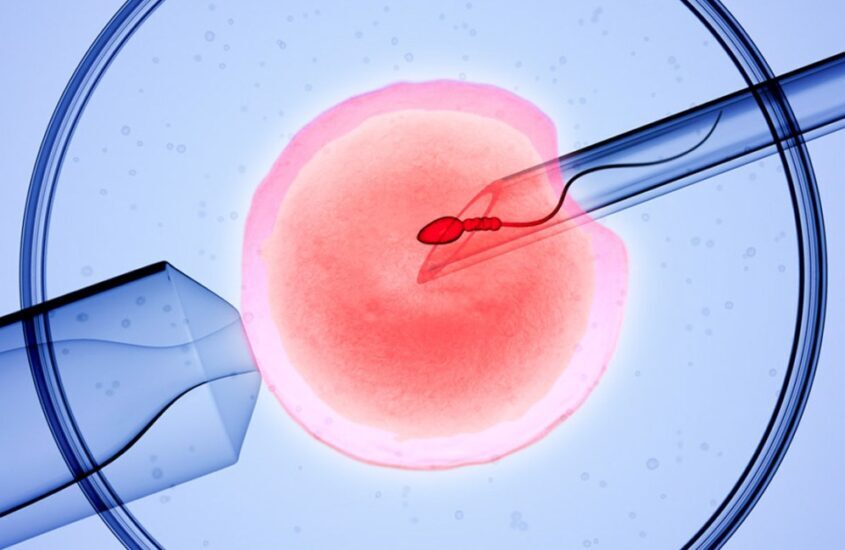
IVF (In Vitro Fertilization) is an assisted reproductive technology (ART) in which fertilization occurs outside the human body. Eggs are retrieved from the woman’s ovaries and fertilized with sperm in a controlled laboratory environment. Once an embryo develops, it is transferred into the uterus to achieve pregnancy.
The term in vitro means “in glass,” referring to the laboratory setting where fertilization takes place.
IVF is commonly recommended when natural conception has not occurred after prolonged attempts or when specific medical conditions affect fertility.
When Is IVF Recommended?
IVF is not always the first treatment option. Doctors typically recommend it after evaluating medical history, test results, and previous treatments.
Common Reasons IVF Is Advised
-
Blocked or damaged fallopian tubes
-
Male factor infertility (low sperm count or motility)
-
Ovulation disorders (such as PCOS)
-
Endometriosis
-
Unexplained infertility
-
Age-related fertility decline
-
Failed IUI or fertility medications
-
Genetic disorder prevention
According to reproductive specialists, IVF is often considered when less invasive treatments have not been successful.
Also read: "10 Fascinating Shilajit Benefits For Women – Health, Energy & Hormonal Balance"
Step-by-Step IVF Treatment Process
IVF is a multi-stage process that usually takes 4 to 6 weeks per cycle. Each step is carefully monitored.
1. Initial Consultation & Fertility Tests
Both partners undergo medical evaluations, which may include:
-
Hormonal blood tests
-
Ultrasound scans
-
Uterine assessment
-
Genetic screening (if required)
This stage helps doctors customize the IVF protocol.
2. Ovarian Stimulation
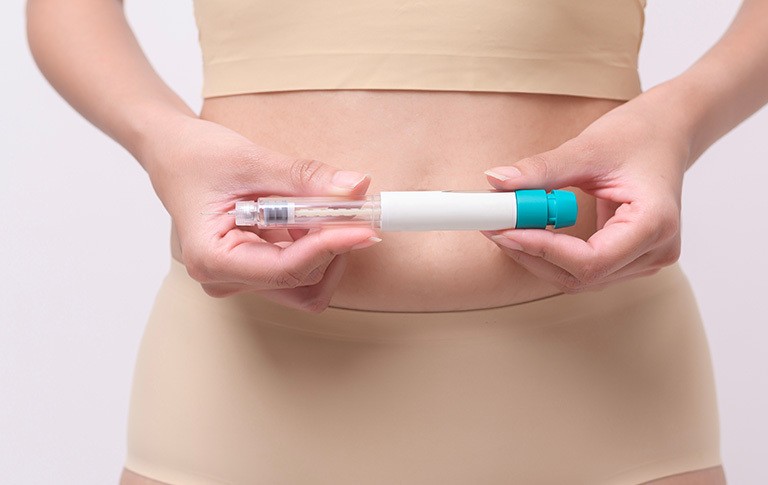
Fertility medications are prescribed to stimulate the ovaries to produce multiple mature eggs instead of the single egg released in a natural cycle.
Patients are monitored through ultrasounds and blood tests to track follicle development.
3. Egg Retrieval
Once the eggs are mature, a minor surgical procedure is performed to retrieve them using ultrasound guidance. This is done under light sedation and typically takes 15–20 minutes.
4. Sperm Collection & Fertilization
A sperm sample is collected on the same day. Fertilization occurs in one of two ways:
| Fertilization Method | Description |
|---|---|
| Conventional IVF | Eggs and sperm are mixed naturally |
| ICSI | A single sperm is injected directly into the egg |
5. Embryo Development
Fertilized eggs (embryos) are monitored in the lab for 3–5 days. The healthiest embryo(s) are selected for transfer.
6. Embryo Transfer
The embryo is placed into the uterus using a thin catheter. This is a painless procedure and does not require anesthesia.
7. Pregnancy Test
A blood test is performed 10–14 days after embryo transfer to confirm pregnancy.
Also, go through: "Menstrual Disorders After Miscarriage: Signs, Causes, & Treatment"
IVF Treatment Timeline (At a Glance)
| Stage | Duration |
|---|---|
| Testing & preparation | 1–2 weeks |
| Ovarian stimulation | 10–14 days |
| Egg retrieval | 1 day |
| Embryo culture | 3–5 days |
| Embryo transfer | 1 day |
| Pregnancy test | After 2 weeks |
IVF Success Rate in Pakistan
IVF success rates vary depending on age, medical history, embryo quality, and clinic expertise.
Average IVF Success Rates by Age
| Female Age | Success Rate per Cycle |
|---|---|
| Under 30 | 45–55% |
| 30–34 | 40–45% |
| 35–37 | 30–35% |
| 38–40 | 20–25% |
| Above 40 | 10–15% |
Success rates tend to improve with advanced lab techniques, genetic testing, and personalized treatment plans.
Also learn: "Breast Cancer Symptoms - Causes, Treatments, & Preventions"
Estimated Cost of IVF Treatment in Pakistan
IVF costs vary based on location, clinic reputation, medications, and additional procedures.
Average IVF Cost Breakdown
| Component | Estimated Cost (PKR) |
|---|---|
| Initial consultation & tests | 30,000 – 60,000 |
| IVF cycle (basic) | 500,000 – 700,000 |
| Medications | 150,000 – 300,000 |
| ICSI (if needed) | 80,000 – 150,000 |
| Embryo freezing | 50,000 – 100,000 |
Total Estimated Cost: PKR 650,000 – 1,000,000 per cycle
Important: Costs may increase if multiple cycles are required.
Factors That Affect IVF Success
-
Female age
-
Egg and sperm quality
-
Lifestyle habits (smoking, weight, stress)
-
Underlying medical conditions
-
Previous pregnancy history
-
Laboratory standards
Doctors often emphasize lifestyle improvements alongside treatment for better outcomes.
Emotional & Physical Considerations
IVF can be emotionally demanding. Hormonal changes, waiting periods, and uncertainty can cause stress. Many fertility centers now recommend counseling or emotional support during treatment.
Physically, most side effects are mild and temporary, such as bloating or mood changes.
Also read: "Top 17 Strange Early Pregnancy Symptoms You Should Know"
Final Thoughts
IVF treatment has helped millions of couples worldwide experience parenthood. With advances in reproductive medicine, personalized protocols, and improved lab technology, IVF is safer and more effective than ever before. Understanding the process, costs, and realistic success rates allows couples to make informed decisions with confidence.
For personalized dietary and pregnancy-related guidance, consult a PMDC-verified gynecologist near you through Apka Muaalij, Pakistan’s leading digital healthcare platform. Call 042-32377001 to book an online video consultation and receive trusted medical advice from the comfort of your home.
Frequently Asked Questions (FAQs)
1. Is IVF painful?
IVF procedures are generally not painful. Egg retrieval is done under sedation, and embryo transfer is painless.
2. How many IVF cycles are usually needed?
Some couples conceive in the first cycle, while others may need 2–3 cycles.
3. Is IVF safe for women?
Yes, IVF is considered safe when performed under medical supervision.
4. Can IVF guarantee pregnancy?
No fertility treatment can guarantee pregnancy, but IVF offers higher success rates than many alternatives.
5. What is the best age for IVF?
Women under 35 generally have higher success rates.
6. Can IVF lead to twins?
Yes, especially if more than one embryo is transferred.
7. Is IVF allowed in Islam?
Islamic scholars generally allow IVF using the couple’s own sperm and eggs within marriage.
8. Can men with low sperm count do IVF?
Yes, IVF with ICSI is often recommended for male infertility.
9. Are frozen embryos effective?
Yes, frozen embryo transfers have comparable success rates to fresh transfers.
10. How long does IVF take from start to finish?
One complete cycle usually takes 4–6 weeks.
11. Does stress affect IVF success?
Chronic stress may impact hormones, but emotional support can help manage this.
12. Can lifestyle changes improve IVF success?
Yes, maintaining a healthy weight, a balanced diet, and avoiding smoking improves outcomes.
Disclaimer: This content is for informational purposes only and does not replace professional medical advice. IVF suitability, success rates, and costs vary based on individual medical conditions. Always consult a qualified fertility specialist or reproductive endocrinologist before starting any fertility treatment.

Find & Book the best "Gynecologist" near you
Book Appointment
Dr. Bisma Shehzadi
Dr. Dr. Bisma Shehzadi is a highly experienced specialist based in Lahore, Pakistan with over several years of clinical expertise. Specializing in evidence-based and patient-centered care, they provides advanced treatment tailored to individual needs. Currently available on Apka Muaalij, appointments can be booked at 042-32377001.