

What is Melasma - Causes, Treatments, & Home Remedies
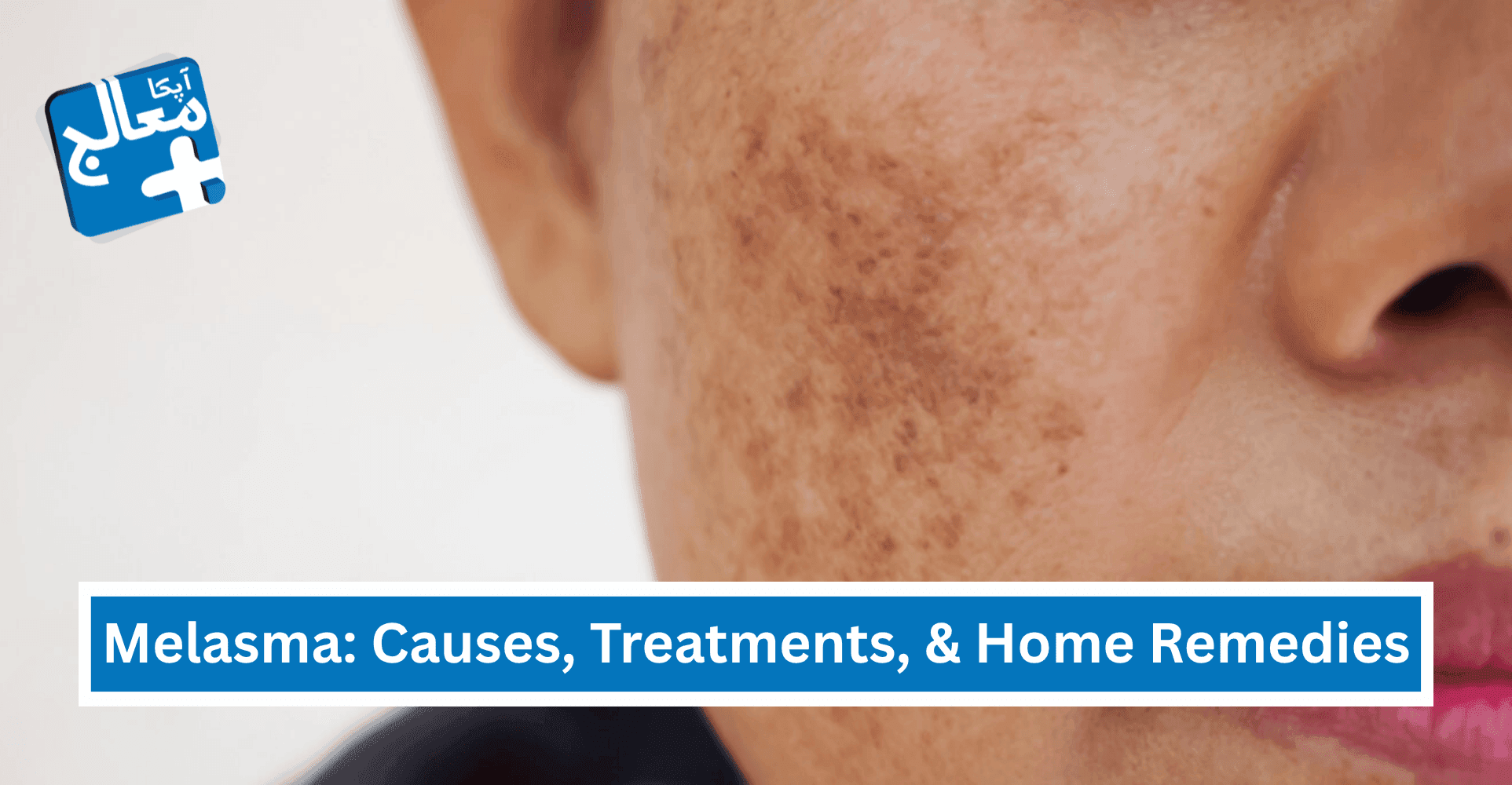
What is Melasma?
Melasma is a common skin condition characterized by dark, discolored patches on the skin, primarily affecting the face. It often appears on the cheeks, forehead, bridge of the nose, and upper lip, giving it a distinct and recognizable pattern.
Melasma can also occur on other parts of the body that are frequently exposed to the sun, such as the forearms and neck. Though it affects both men and women, it is more prevalent in women, especially those with darker skin tones.
Also read: "How Does Aging Affect The Skin?"
What are the Causes of Melasma?

The exact cause of melasma is not fully understood, but several factors are believed to contribute to its development:
1. Sun Exposure: Ultraviolet (UV) rays from the sun stimulate melanocytes, the skin cells responsible for producing pigment. Overexposure can lead to an overproduction of melanin, resulting in melasma.
2. Hormonal Changes: Hormonal fluctuations, particularly during pregnancy (often referred to as the "mask of pregnancy"), menopause, or while using oral contraceptives, can trigger melasma. Hormone replacement therapy (HRT) is another potential cause.
3. Genetics: A family history of melasma can increase the likelihood of developing the condition. Genetic predisposition plays a significant role in its occurrence.
4. Certain Medications and Cosmetics: Some medications, particularly those that make the skin more sensitive to sunlight, can cause melasma. Additionally, skincare products containing harsh chemicals can trigger or worsen the condition.
Also learn: "15 Effective & Natural Home Remedies For Acne: Fight Acne At Home"
Crucial Treatments for Melasma

Treating melasma can be challenging and may require a combination of approaches. Here are some commonly recommended treatments:
1. Topical Treatments: Prescription creams containing hydroquinone, tretinoin, corticosteroids, or a combination of these ingredients can help lighten the dark patches. Over-the-counter options with ingredients like kojic acid, azelaic acid, and vitamin C can also be effective.
2. Chemical Peels: Chemical peels using glycolic acid, salicylic acid, or trichloroacetic acid can help exfoliate the skin and reduce hyperpigmentation.
3. Laser and Light Therapies: Laser treatments, such as fractional laser and intense pulsed light (IPL) therapy, target and break down pigment deposits in the skin. However, these treatments should be approached with caution as they can sometimes worsen melasma if not done correctly.
4. Microneedling: This procedure involves tiny needles creating micro-injuries in the skin, promoting collagen production, and improving skin texture and tone. When combined with topical treatments, it can enhance their effectiveness.
5. Sun Protection: Consistent and rigorous sun protection is crucial. Using a broad-spectrum sunscreen with an SPF of 30 or higher, wearing wide-brimmed hats, and seeking shade can prevent melasma from worsening.
You may also like: "Ice Facial Benefits For Skin: 7 Reasons To Try Ice Therapy At Home"
Home Remedies to Treat Melasma

While professional treatments are often necessary for significant improvement, several home remedies can help manage melasma:
1. Aloe Vera: Aloe vera contains aloin, a natural depigmenting compound. Applying fresh aloe vera gel to the affected areas may help lighten melasma over time.
2. Apple Cider Vinegar: The acetic acid in apple cider vinegar acts as a natural bleaching agent. Dilute it with equal parts water and apply to the skin for a few minutes before rinsing off.
3. Turmeric: Known for its anti-inflammatory and antioxidant properties, turmeric can help reduce pigmentation. Mix turmeric powder with milk or water to form a paste and apply it to the affected areas.
4. Lemon Juice: Lemon juice has natural bleaching properties due to its citric acid content. Apply diluted lemon juice to the skin and leave it on for a few minutes before washing it off. However, be cautious as lemon juice can make the skin more sensitive to sunlight.
5. Papaya: The enzyme papain in papaya can exfoliate and lighten the skin. Apply mashed papaya to the face and leave it on for about 20 minutes before rinsing off.
Also, go through: "How to Remove Dark Circles Permanently: Best Home Remedies and Treatments"
Conclusion
Melasma is a persistent and often frustrating skin condition, but with the right combination of treatments and home remedies, its appearance can be significantly reduced. Consultation with a dermatologist is essential to develop a personalized treatment plan that addresses the specific needs of your skin. Remember, consistent sun protection is vital in managing melasma and preventing its recurrence.

Find & Book the best "Dermatologist" near you
Book Appointment
Dr. Muhammad Usama, RPh
Dr. Dr. Muhammad Usama, RPh is a highly experienced specialist based in Lahore, Pakistan with over several years of clinical expertise. Specializing in evidence-based and patient-centered care, they provides advanced treatment tailored to individual needs. Currently available on Apka Muaalij, appointments can be booked at 042-32377001.